
In a world where borders are increasingly fluid and identities more layered than ever, the concept of dual citizenship emerges as both a privilege and a puzzle. For Americans holding passports from two nations, the experience is a delicate dance—an ongoing negotiation between allegiance and belonging, heritage and homeland. “Navigating Dual Citizenship: An American’s Balanced Identity” invites readers to explore the intricate mosaic of living with two legal and cultural anchors, uncovering how this unique status shapes perspectives, responsibilities, and the sense of self in a globalized age.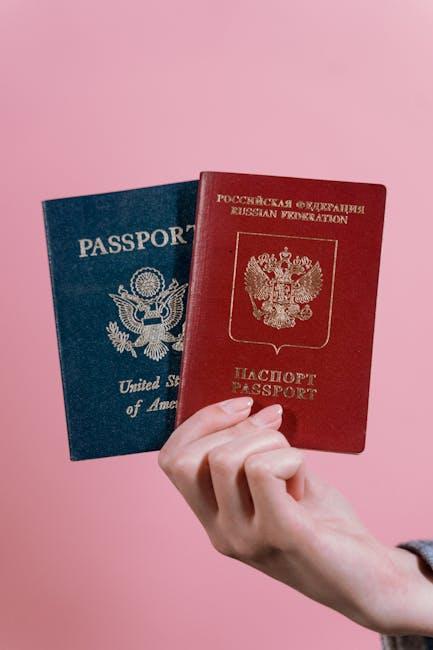
Understanding the Legal Landscape of Dual Citizenship
Delving into the complexities of dual citizenship reveals a tapestry of legal nuances that influence rights, responsibilities, and allegiances. Each nation maintains its own framework, defining how dual nationals are treated under laws pertaining to taxation, military service, and political participation. For Americans, understanding these regulations is critical, as holding a second citizenship can mean balancing multiple legal obligations—from reporting foreign bank accounts to adhering to distinct civic duties abroad. It is essential to know which country’s laws take precedence in various scenarios, a task complicated by the ever-changing international legal landscape.
Key factors that shape this landscape include:
- Recognition: Some countries fully accept dual citizenship, while others impose restrictions or require renunciation of the first nationality.
- Diplomatic Protection: Dual citizens may not receive consular assistance from both countries simultaneously due to conflicting jurisdictional claims.
- Taxation: The obligations can vary drastically, with some nations taxing citizens on worldwide income, regardless of residence.
| Legal Aspect | Consideration for Dual Citizens | Potential Challenge |
|---|---|---|
| Military Service | Obligatory or voluntary service rules may apply in both countries | Risk of dual conscription or conflict of allegiance |
| Voting Rights | May be allowed in both countries or restricted | Divided political loyalties |
| Tax Compliance | Requirement to file returns in both jurisdictions | Double taxation risks without treaties |
Balancing Cultural Ties and Personal Identity
Owning dual citizenship often means weaving together two distinct cultural threads into a single tapestry of self. For many, it’s a journey of embracing the richness of both heritages without losing the essence of individuality. This balancing act requires more than just legal status—it involves choosing which traditions, values, and social norms resonate most deeply. It’s about crafting a personal narrative where both cultures coexist harmoniously, allowing one to celebrate festivals from two worlds or savor culinary delights that cross continents all while maintaining a distinct personal compass.
While maintaining deep connections with family and community, there’s an underlying need to establish a unique identity that transcends nationality. Elements that shape this equilibrium often include:
- Language fluency: Navigating between two languages with ease can both enrich and complicate communication.
- Cultural traditions: Selectively adopting customs that feel authentic rather than obligatory.
- Values and beliefs: Melding perspectives informed by varied historical and cultural frameworks.
| Aspect | American Influence | Other Heritage |
|---|---|---|
| Identity Expression | Individualism and innovation | Community-oriented values |
| Language | English | Native tongue or dialect |
| Celebrations | National holidays like July 4th | Traditional festivals and rites |
Managing Financial Responsibilities Across Borders
Juggling financial responsibilities as a dual citizen means embracing a unique set of challenges that demand both awareness and strategic planning. From understanding tax obligations in multiple countries to navigating differing banking systems, the process can be intricate. A key tactic is to maintain clear and organized financial records, ensuring compliance with each country’s regulations while avoiding unnecessary penalties. Utilizing international banking services can also streamline currency exchanges and cross-border payments, reducing fees and saving time.
To stay on top of these complexities, consider these vital steps:
- Regularly consult with financial advisors specializing in international law to benefit from tailored guidance.
- Set up automated alerts for important tax deadlines across both nations.
- Use digital tools and apps designed for managing multiple currencies and investment portfolios.
| Country | Tax Implications | Banking Tip |
|---|---|---|
| United States | Global income reporting | Open a multi-currency account |
| Second Country | Tax treaties benefit | Use local financial advisors |
Navigating Travel and Residency Complexities
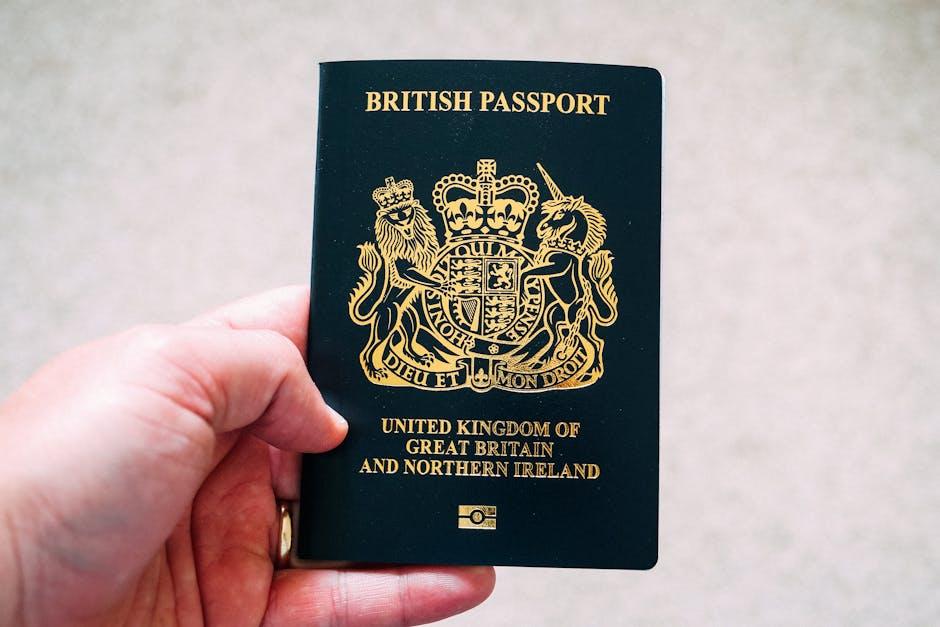
Holding dual citizenship often means embracing the best of both worlds, but it also requires a keen awareness of the legal frameworks that govern travel and residency. For Americans balancing two passports, understanding visa requirements, tax obligations, and residency rules abroad becomes essential. This delicate balancing act can affect everything from how long you can stay in a foreign country to your eligibility for certain social services. Keeping track of expiration dates, applying for necessary permits on time, and knowing the nuances of entry and exit regulations are key tasks that prevent unexpected complications.
Here’s a quick overview to consider when managing your dual citizenship travel and residency plans:
- Travel Documents: Use the passport that best fits your destination’s entry rules to avoid delays or refusals.
- Tax Responsibilities: Understand your income reporting requirements for both countries.
- Residency Permits: Determine if long-term stays require additional applications or registrations.
- Healthcare Access: Research eligibility for public healthcare services based on your residency status.
| Aspect | U.S. Citizen | Second Citizenship |
|---|---|---|
| Passport Use | Entry to U.S. only | Preferred for travel to other country |
| Tax Filing | Mandatory worldwide income reporting | Depends on local laws |
| Residency | Flexible | May require visa or permit |
| Healthcare | Medicare for eligible residents | Varies by country |
Building a Support Network for Dual Citizens
Forging meaningful connections is a cornerstone for anyone living with a dual identity. Cultivating a support network tailored to the unique experiences of dual citizens means blending cultural understanding with empathy. Engage with communities that celebrate both sides of your heritage—this could mean joining cultural associations, attending international meetups, or participating in language exchange groups. These environments provide a safe space for sharing stories, overcoming common challenges, and fostering a spirit of inclusiveness. Remember, your network is your anchor—it sustains your sense of belonging and empowers you to navigate complexities with confidence.
To create a resilient support system, consider a multi-layered approach that includes:
- Family and close friends who embrace your full identity.
- Online communities that connect dual citizens worldwide.
- Local cultural events that celebrate both national identities.
- Professional groups that understand transnational experiences.
Building bridges between these circles can enhance your cultural fluency and provide practical resources when navigating legal, social, or emotional hurdles. Balancing two worlds becomes less daunting when you’re supported by a network that values and reflects your multifaceted identity.
In Retrospect
In the delicate dance of dual citizenship, an American’s identity becomes a tapestry woven with threads from two distinct yet intertwined worlds. Navigating this balanced existence requires both reflection and adaptability, as each culture offers unique colors and patterns that enrich the whole. Ultimately, embracing dual citizenship is not just about legal status—it’s about cultivating a personal narrative that honors complexity, celebrates diversity, and charts a path toward a more interconnected sense of self. As borders blur and identities evolve, the journey of balancing dual citizenship continues to inspire a deeper understanding of what it truly means to belong.




