
In an increasingly interconnected world, the concept of identity has become more fluid and multifaceted than ever before. Among the most intriguing reflections of this shift is dual nationality—a legal status that grants individuals the privileges and responsibilities of belonging to two countries simultaneously. While the idea of embracing two homelands can seem like a gateway to broader opportunities and richer cultural experiences, it also brings complexities that are worth understanding. This article ventures into the nuanced landscape of dual nationality, exploring its promising advantages alongside potential challenges, helping you navigate the path with clarity and insight.
Understanding Dual Nationality from Legal and Cultural Perspectives
At the intersection of law and culture, dual nationality embodies a complex web of rights and responsibilities that vary significantly across countries. Legally, it challenges traditional notions of exclusive allegiance to one nation and often requires nuanced understanding of each country’s policies regarding citizenship. Some states fully embrace dual nationality, granting individuals the freedom to hold two passports, while others impose restrictions or even penalize it. This legal diversity influences everything from taxation and military service obligations to voting rights and access to social services, shaping the experience of dual nationals in profound ways.
On a cultural plane, holding dual nationality can offer a rich tapestry of identity, allowing individuals to navigate and connect with multiple heritage narratives simultaneously. It fosters cultural empathy and opens up opportunities for cross-cultural dialogue and understanding. However, this plurality can also create internal conflicts and external perceptions of divided loyalty. Those with dual citizenship often balance pride in their heritage with practical challenges such as language barriers, societal expectations, and the continual negotiation of belonging within contrasting cultural frameworks.
- Legal Implications: Tax obligations, military duties, political rights
- Cultural Impact: Multiple identities, cross-cultural integration, societal perceptions
- Challenges: Legal conflicts, identity struggles, logistical hurdles
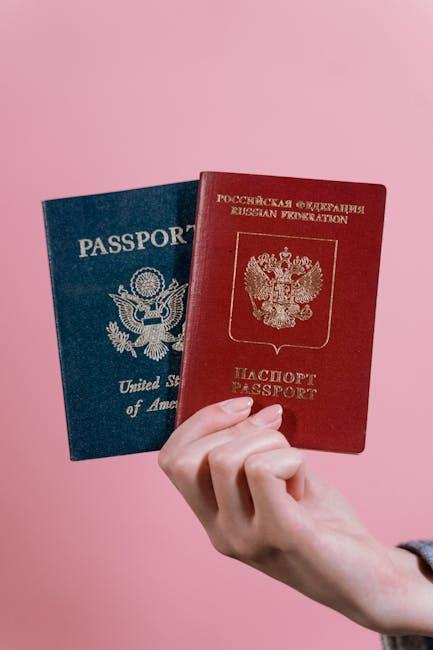
The Benefits of Holding Dual Citizenship in a Globalized World
Having dual citizenship in today’s interconnected world unlocks a treasure trove of opportunities for those willing to embrace its complexities. It grants unparalleled mobility, allowing holders to cross borders with greater ease, access diverse job markets, and even benefit from multiple social services. Moreover, the privilege of voting or participating in civic duties in two countries enables a deeper connection to global affairs and cultural heritage. Dual nationals often enjoy enhanced protection and rights, such as consular assistance in times of international crises, which single citizenships may lack.
In addition to personal freedoms, holding dual citizenship can significantly enhance economic and educational prospects. Dual citizens may qualify for scholarships, grants, and tuition benefits unavailable to foreigners, alongside the ability to own assets and invest in multiple countries without excessive restrictions. The table below summarizes some key advantages:
| Benefit | Description |
|---|---|
| Travel Flexibility | Fewer visa restrictions, smoother international travel |
| Work & Residency Rights | Access to employment and residence in two countries |
| Education Access | Eligibility for local scholarships and in-state tuition |
| Social Benefits | Healthcare, pensions, and welfare from both nations |
| Political Participation | Right to vote and engage in political processes |
Challenges and Potential Pitfalls of Navigating Two National Identities
Living between two national identities often means confronting a unique set of challenges that can affect one’s sense of belonging and stability. The constant balancing act may lead to feelings of cultural dissonance, where the values, traditions, and expectations of each nationality don’t always align harmoniously. This can sometimes create internal conflicts, causing individuals to question their place both within their families and communities. Moreover, legal and bureaucratic hurdles, such as differing tax obligations, mandatory military service, or conflicting passport renewal processes, add layers of complexity that require careful navigation and foresight.
In addition to emotional and legal complexities, there are practical pitfalls that dual nationals might face on a daily basis. These include:
- Identity ambiguity: Managing how to present oneself authentically in varying social contexts.
- Legal ambiguity: Facing uncertainty regarding rights, responsibilities, and protection under two different jurisdictions.
- Travel complications: Restrictions or visa requirements that differ between the two countries can disrupt plans.
- Social expectations: Pressure to conform to sometimes contradictory cultural norms can lead to social alienation.
| Challenge | Potential Impact | Mitigation Strategy |
|---|---|---|
| Legal Complexity | Confusion over rights such as voting and taxation. | Consult legal experts specializing in dual nationality. |
| Cultural Identity Conflict | Sense of exclusion or divided loyalty. | Engage in cultural immersion and community activities. |
| Travel Restrictions | Unexpected visa requirements or entry refusals. | Plan travel well in advance, verify embassy guidelines. |
Practical Advice for Managing Responsibilities and Rights Across Borders
Balancing responsibilities and rights when holding dual nationality demands a proactive approach to stay compliant in multiple legal environments. One effective method is maintaining organized records of your obligations, including tax filings, voting registrations, and military service requirements, if applicable. Leveraging digital tools like calendar reminders and document management apps can help you keep track without feeling overwhelmed. Additionally, understanding which country has precedence in certain legal matters—such as taxation or inheritance—can prevent costly mistakes and unexpected penalties. Engaging with local experts or embassies often provides tailored advice that goes beyond generic guidelines.
To streamline decision-making, consider these practical tips:
- Regularly review citizenship laws in both countries as policies can change, affecting your rights and duties.
- Consult tax professionals who specialize in international law to avoid double taxation or legal conflicts.
- Maintain clear communication with institutions like banks and government offices to update your status promptly.
- Keep travel documents current and understand visa requirements for third countries, which might change due to your dual status.
- Leverage bilateral treaties, as they can offer protections or exemptions that ease your cross-border experiences.
| Responsibility | Potential Challenge | Practical Tip |
|---|---|---|
| Tax Declarations | Double taxation risk | Use tax treaties and consult experts |
| Military Service | Compulsory service conflicts | Seek deferments or exemptions early |
| Voting Rights | Registration deadlines missed | Sign up online and set reminders |
Making an Informed Decision: Weighing the Impact on Personal and Professional Life
Balancing dual nationality often means walking a fine line between two cultural identities and legal frameworks. On a personal level, it opens doors to embracing a richer heritage and fostering a sense of belonging in multiple communities. However, it can also bring challenges such as dealing with conflicting expectations, managing language barriers, or navigating emotional complexities when ties to one country might clash with those of another. Understanding your own values and priorities helps in making conscious choices that align with your lifestyle and emotional well-being.
Professionally, holding dual citizenship can unlock a vast range of opportunities — whether it’s easier travel for work, access to diverse job markets, or eligibility for employment benefits and social securities in two nations. Yet, it also requires careful consideration of tax obligations, legal requirements, and career plans. Here’s a brief overview of factors to reflect on:
- Work permits and legal status: Avoid work restrictions by knowing the rights in each country.
- Tax complexities: Be aware of double taxation treaties and filing responsibilities.
- Social security benefits: Compare healthcare and pension systems.
- Networking and accessibility: Benefit from broader professional connections abroad.
| Aspect | Potential Benefit | Possible Challenge |
|---|---|---|
| Travel Flexibility | Visa-free access to more countries | Multiple passport management |
| Taxation | Access to international markets | Risk of double taxation issues |
| Cultural Identity | A richer, multifaceted personal identity | Possible feelings of divided loyalty |
The Way Forward
In the intricate dance of dual nationality, weighing the scales of opportunity and obligation becomes a personal journey rather than a mere legal consideration. As borders blur and identities intertwine, embracing dual citizenship can open doors to new horizons, yet it also invites complexities that call for thoughtful reflection. Ultimately, navigating this multifaceted path demands not just an understanding of the pros and cons but a deeper appreciation of what it means to belong—to more than one place, culture, and story. Whether dual nationality is a bridge or a balancing act, it is, above all, a testament to the evolving nature of identity in our interconnected world.




