
In a world increasingly knit together by threads of culture, commerce, and technology, the movement of people across borders has become both a symbol of hope and a challenge of complexity. “Crossing Borders: Navigating the Tides of Global Immigration” delves into the myriad journeys that define our time—stories of aspiration, adaptation, and the delicate balance between identity and change. As nations grapple with policies and perceptions, and as individuals seek new beginnings, this exploration offers a nuanced look at the ever-shifting landscapes where lives intertwine beyond lines on a map.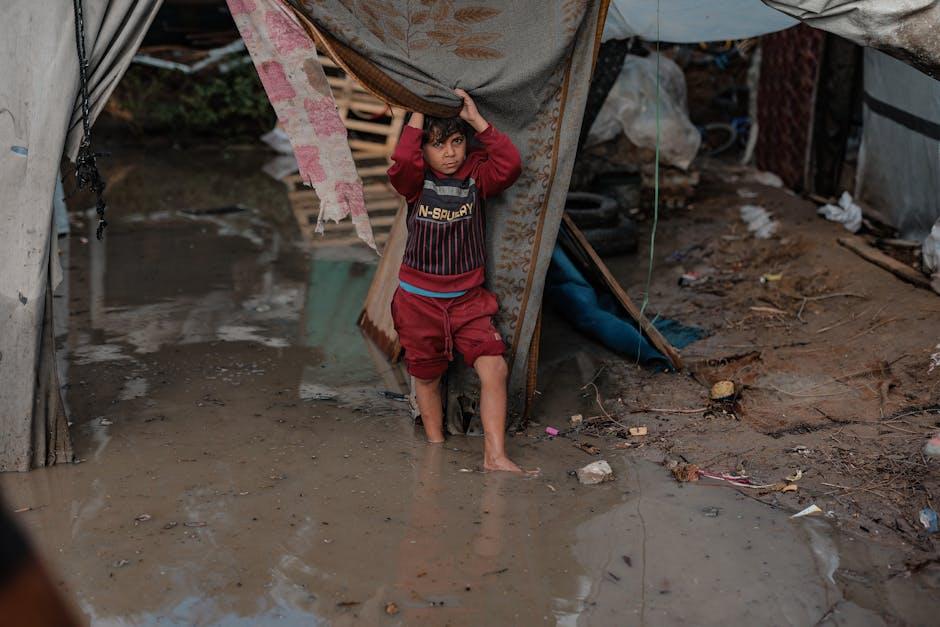
Crossing Borders Challenges and Opportunities in Global Migration
In today’s interconnected world, the journey of crossing borders encapsulates a complex dance of hardship and hope. Migration challenges range from navigating stringent legal frameworks to overcoming cultural hurdles that can alienate newcomers. These obstacles often demand resilience and adaptability, as immigrants must rebuild lives in unfamiliar surroundings. Yet, embedded within these struggles are profound opportunities — enriching economies with diverse talents, fostering innovation through varied perspectives, and cultivating vibrant multicultural communities that celebrate shared humanity.
Key dimensions shaping global migration include:
- Economic disparities and employment prospects
- Political stability and asylum policies
- Social integration and identity reconciliation
- Technological advancements facilitating connectivity
| Migration Aspect | Challenge | Opportunity |
|---|---|---|
| Legal Systems | Complex visa regulations | Enhanced international cooperation |
| Cultural Adaptation | Language barriers | Cross-cultural exchange |
| Economic Impact | Job market competition | Diverse entrepreneurship |
| Social Cohesion | Integration difficulties | Stronger community networks |

Cultural Integration Strategies for Newcomers and Host Communities
Embracing diversity within a shared space calls for deliberate and compassionate approaches that foster mutual understanding. Effective cultural integration thrives when both newcomers and host communities engage in open dialogues, celebrating differences while discovering common ground. Key initiatives include language exchange programs that transform communication barriers into bridges, and community festivals that highlight the unique traditions newcomers bring alongside longstanding local customs. These interactions nurture empathy and create vibrant, inclusive environments where cultural exchange is a continual, enriching process.
Strategies to smooth the transition often incorporate institutional support paired with grassroots involvement. For instance, local councils partnering with immigrant organizations can implement mentorship arrangements, easing newcomers’ navigation through social, educational, and professional landscapes. The collaborative effort is encapsulated in the table below, outlining roles in cultural integration:
| Stakeholder | Primary Role | Examples of Actions |
|---|---|---|
| Newcomers | Active Participation | Sharing traditions, attending local events |
| Host Communities | Welcoming Engagement | Hosting cultural workshops, language support |
| Local Authorities | Facilitation and Resources | Creating accessible public services, funding integration programs |
| NGOs & Community Groups | Bridging Connections | Organizing intercultural activities, advocacy |
- Mutual respect as the foundation for all interactions
- Education programs to reduce cultural misunderstandings
- Shared spaces designed to encourage informal intercultural dialogue
Economic Impacts and Policy Responses to Immigration Flows
Immigration flows significantly influence the economic landscapes of both sending and receiving countries. On one hand, migrant workers often fill critical labor shortages, driving growth in sectors like agriculture, technology, and healthcare. Their contributions can lead to increased productivity and innovation. However, these influxes can also strain public services and infrastructure, prompting debate over resource allocation. Policymakers find themselves balancing the benefits of a dynamic workforce against the challenges of integration and social cohesion.
Governments worldwide have crafted diverse policy responses to manage these economic impacts effectively. Key strategies include:
- Implementing labor market controls to protect domestic jobs while welcoming needed skills
- Offering language and professional training programs to boost migrants’ employability
- Adjusting social welfare systems to accommodate growing populations without undermining support for native citizens
- Encouraging entrepreneurial ventures among migrants to stimulate local economies
| Policy Focus | Economic Outcome |
|---|---|
| Selective Skilled Migration | Innovation & Competitiveness |
| Temporary Work Visas | Labor Market Flexibility |
| Integration Programs | Reduced Unemployment Rates |
| Social Welfare Adjustments | Balanced Social Spending |
Legal Frameworks and Human Rights in Transnational Movement
At the heart of the global migration tapestry lies a complex web of legal frameworks designed to balance national sovereignty with the protection of individual dignity. These laws operate on multiple levels—from international treaties like the 1951 Refugee Convention to regional agreements such as the European Union’s Schengen Area protocols. They attempt to codify rights and responsibilities, yet often wrestle with the unpredictable realities of human movement, where urgency and safety collide. Migrants navigate a labyrinth of visa types, asylum procedures, and residency requirements, each regulated by distinct bodies striving to uphold the delicate harmony between border control and humanitarian obligations.
Human rights serve as the compass guiding this legal landscape, embedding core protections regardless of one’s origin or status. Key principles include:
- Non-refoulement: prohibition against returning individuals to countries where they face harm.
- Right to seek asylum: safeguarding access to fair and timely asylum processes.
- Access to healthcare and education: ensuring migrants’ basic needs are met during displacement.
However, the practical implementation of these rights varies widely and is often challenged by political climates and resource constraints. Understanding this interplay is essential for crafting policies that respect human dignity while addressing the legitimate concerns of states dealing with transnational migration flows.
Building Inclusive Societies through Education and Community Engagement
Education serves as the cornerstone for fostering inclusive communities, acting as a bridge between diverse cultures and experiences. By integrating multicultural curricula and promoting language learning, schools can equip learners with the empathy and understanding necessary to embrace diversity. Community engagement initiatives, such as cultural exchange programs and public dialogues, empower individuals to share their stories and dismantle prejudices, creating spaces where differences become strengths rather than barriers. This holistic approach cultivates mutual respect and an interconnected global identity, enriching societies with new perspectives and collaborative spirit.
Creating spaces that encourage participation from all community members enhances social cohesion and drives equitable growth. Initiatives could include community workshops, local mentorship programs, and inclusive public events that highlight shared values and unique traditions. Consider the impact of targeted efforts laid out in the table below:
| Initiative | Goal | Impact |
|---|---|---|
| Language Exchange Circles | Break down communication barriers | Increased cultural fluency |
| Storytelling Sessions | Share immigrant experiences | Foster empathy & understanding |
| Cultural Festivals | Celebrate diversity | Stronger community bonds |
| Collaborative Art Projects | Encourage creative inclusion | Promote shared identity |
To Wrap It Up
As the tides of global immigration continue to shift and swell, the stories of those who cross borders remind us of our shared humanity and the complex mosaic of challenges and opportunities that define our interconnected world. Navigating these currents requires empathy, understanding, and thoughtful dialogue—qualities that anchor us in times of change. In embracing the ebb and flow of migration, we not only redefine boundaries on maps but also reshape the very contours of our collective future. Crossing borders, then, is more than a physical journey; it is an ongoing passage toward a more inclusive and compassionate global community.




