
In a world that grows increasingly connected, the concept of identity has evolved beyond borders and passports. For many, holding dual nationality is more than a legal status—it’s a lived experience that weaves together two cultures, histories, and sets of expectations. Navigating the intricate landscape of double nationality means balancing the pride of belonging to multiple homelands while confronting unique challenges that come with it. This article explores the subtle complexities and rich nuances of living between two worlds, shedding light on what it truly means to carry a dual identity in today’s global society.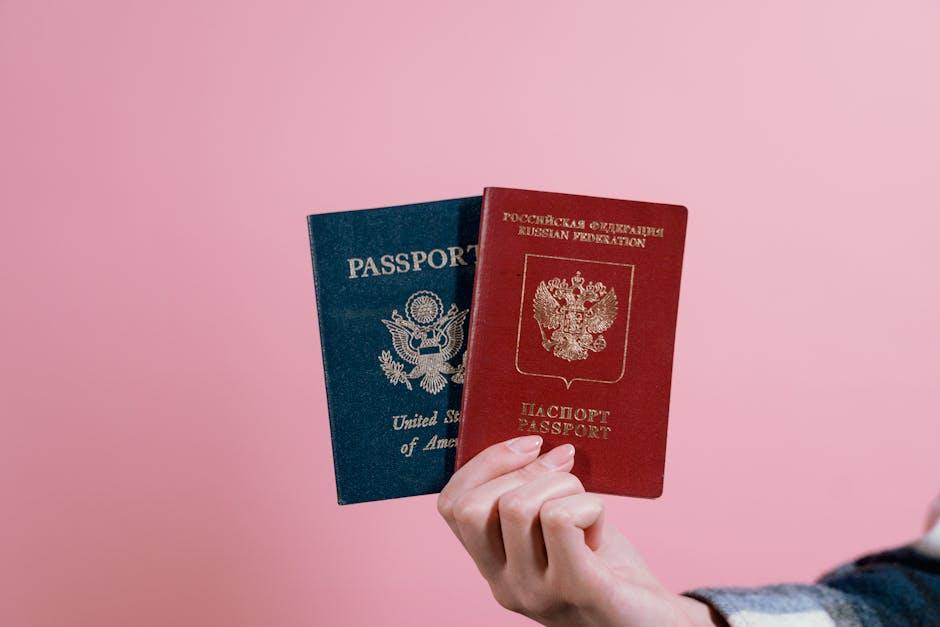
Understanding the Emotional Landscape of Holding Two Passports
Holding two passports often feels like carrying a bridge between worlds, each imbued with distinct memories, values, and expectations. This duality can evoke a rich tapestry of emotions—*pride, confusion, belonging,* and sometimes even *alienation*. The heart can be torn between loyalty to one nation’s traditions and affection for another’s way of life. For many, it’s a continuous internal dialogue, navigating the nuances of two cultural identities, each calling to take precedence at different moments. This emotional complexity creates a unique sense of self, often more fluid than singular nationality, but also more fragile under social and political pressures.
Key emotional themes include:
- Ambivalence: Feeling both connected and disconnected from each homeland.
- Empowerment: Embracing broader horizons and opportunities.
- Isolation: Facing misunderstanding from peers rooted in single citizenship.
- Flexibility: Ability to adapt and thrive in diverse environments.
| Emotion | Common Trigger | Experience |
|---|---|---|
| Belonging | Family gatherings | Warmth mixed with nostalgia |
| Alienation | National holidays | Feeling like an outsider |
| Curiosity | Traveling between countries | Excitement and discovery |
| Conflicted Loyalty | Political debates | Inner struggle and reflection |
Legal Nuances and Rights Across Borders
Understanding the legal intricacies that accompany dual nationality is essential for anyone embracing multiple citizenships. Each country has its own laws regarding rights, responsibilities, and restrictions, creating a patchwork of legal landscapes that can either benefit or complicate an individual’s status. Issues such as tax obligations, military service, voting rights, and inheritance laws often vary dramatically, sometimes even conflicting between the countries involved. For instance, while one nation may exempt you from military duties based on your age or gender, another may require mandatory service regardless of your other citizenship. This delicate balancing act requires dual nationals to stay informed and seek expert legal advice to navigate potentially conflicting regulations.
Below is a summary table outlining common legal rights and duties for dual nationals in various domains that illustrate the differences across countries:
| Aspect | Country A | Country B | Country C |
|---|---|---|---|
| Taxation | Worldwide income taxed | Only local income taxed | Double taxation treaties apply |
| Military Service | Mandatory until age 25 | Exempt if living abroad | Voluntary only |
| Voting Rights | Allowed for all elections | Local elections only | No voting from abroad |
| Inheritance Laws | Forced heirship rules | Complete testamentary freedom | Restrictive foreign inheritance |
When it comes to rights abroad, dual nationals often enjoy privileges such as simplified travel or access to social services in both countries. However, these perks are balanced by legal nuances that may restrict access or impose duties based on nationality. Understanding these jurisdictional subtleties empowers individuals to leverage their dual status effectively, ensuring that their rights are protected while fulfilling any associated obligations.
- Legal counsel: Always consult with attorneys who specialize in international law.
- Documentation: Keep all nationality papers updated and accessible.
- Cultural awareness: Respect and understand the civic expectations of both countries.
- Tax planning: Engage professionals to optimize tax liabilities across borders.
Balancing Cultural Expectations and Personal Identity
Navigating the intricate dance between cultural pride and personal freedom often requires delicate negotiation. Individuals with double nationality frequently find themselves at the crossroads of divergent traditions, values, and expectations. This balancing act is not merely about honoring heritage; it’s about crafting a unique sense of self that respects both worlds without succumbing entirely to either. Striking that balance means embracing a fluid identity—one that can adapt to varied social cues, celebrate contrasting holidays, or communicate comfortably in multiple languages, all while maintaining an internal harmony.
The emotional landscape of dual cultural allegiance can be as rich as it is challenging. There are moments of profound connection and understanding, alongside episodes of confusion or even alienation. Consider the following aspects many navigate when fusing these identities:
- Expectation vs. Authenticity: Reconciling family or societal hopes with personal beliefs.
- Tradition vs. Innovation: Balancing respect for customs while embracing modern self-expression.
- Language as a Connector: Using linguistic fluency to bridge gaps or sometimes feeling like an outsider in either community.
- Celebrations & Rituals: Participating in holidays or ceremonies that might hold contrasting meanings.
| Challenge | Possible Outcome | Personal Strategy |
|---|---|---|
| Pressure to conform | Internal conflict | Setting personal boundaries |
| Conflicting values | Identity confusion | Self-reflection and dialogue |
| Language barriers | Feeling isolated | Language immersion & practice |
| Cultural misunderstandings | Social awkwardness | Open-minded cultural learning |
Practical Tips for Managing Dual Citizenship Responsibilities
Managing the duties tied to holding two passports means balancing obligations thoughtfully. A proactive approach can minimize risks and keep you in good standing with both nations. Start by tracking key dates like tax deadlines, voting windows, and passport renewals. Utilize digital calendars or apps designed for international citizens; this ensures you never miss crucial responsibilities tucked into different time zones or legal systems.
Establishing clear communication channels with consulates can also be a game-changer. Maintaining up-to-date contact information means access to support during legal shifts or emergencies. Consider these tips to stay organized:
- Maintain separate files for each citizenship’s documents, making retrieval seamless.
- Stay informed of dual taxation treaties to avoid double taxation traps.
- Engage local experts who understand the nuances of both countries’ laws.
| Responsibility | Tool/Tip | Frequency |
|---|---|---|
| Tax Filing | Dual Taxation Apps | Annually |
| Passport Renewal | Consulate Alerts | Every 5-10 years |
| Voting Participation | Embassy Newsletters | Elections |
Building Bridges Through Dual Nationality Experiences
Embracing dual nationality often means living in a vibrant intersection of cultures, languages, and traditions that enrich personal identity and worldview. For many, this unique positioning fosters a profound sense of empathy and adaptability, allowing them to bridge divides not only between countries but also between communities. Navigating through contrasting cultural expectations becomes an exercise in flexibility, where resilience and curiosity lead to meaningful connections that transcend geographical and societal barriers.
The ability to fluidly operate within two cultural frameworks cultivates a set of invaluable skills that extend beyond personal growth. Individuals with dual nationality frequently act as informal diplomats, forging pathways of understanding through:
- Cross-cultural communication – effortlessly switching languages or customs to connect with diverse groups.
- Conflict resolution – using dual perspectives to mediate and reconcile differing viewpoints.
- Inclusive mindset – championing diversity by appreciating multiple cultural narratives.
| Bridge-Building Trait | Benefit in Dual Nationality Context |
|---|---|
| Multilingualism | Enhanced communication reach |
| Cultural Fluency | Improved social integration |
| Adaptive Thinking | Creative problem-solving |
Insights and Conclusions
In the intricate dance of belonging and legal ties, double nationality weaves a tapestry rich with opportunity and complexity. As borders blur and identities intertwine, those who live between two worlds often find themselves architects of a unique narrative—one that challenges conventional definitions of home and loyalty. Navigating this dual existence requires more than paperwork; it demands an embrace of fluidity, a respect for diverse cultures, and an ongoing negotiation of self. Ultimately, the journey of double nationality is a testament to the evolving nature of identity in our interconnected world—complex, compelling, and endlessly human.




