
In an era where the boundaries that once defined nations seem both rigid and remarkably porous, the story of global immigration unfolds like a vast, ever-changing ocean. “Crossing Borders: Navigating the Waves of Global Immigration” invites us to set sail on this complex journey, exploring the tides of movement that shape societies and redefine identities. As people traverse continents in search of opportunity, safety, and belonging, they encounter challenges and transformations that ripple through families, economies, and cultures alike. This article seeks to chart these currents with thoughtful insight, illuminating the multifaceted experiences that lie beneath the surface of migration’s global waves.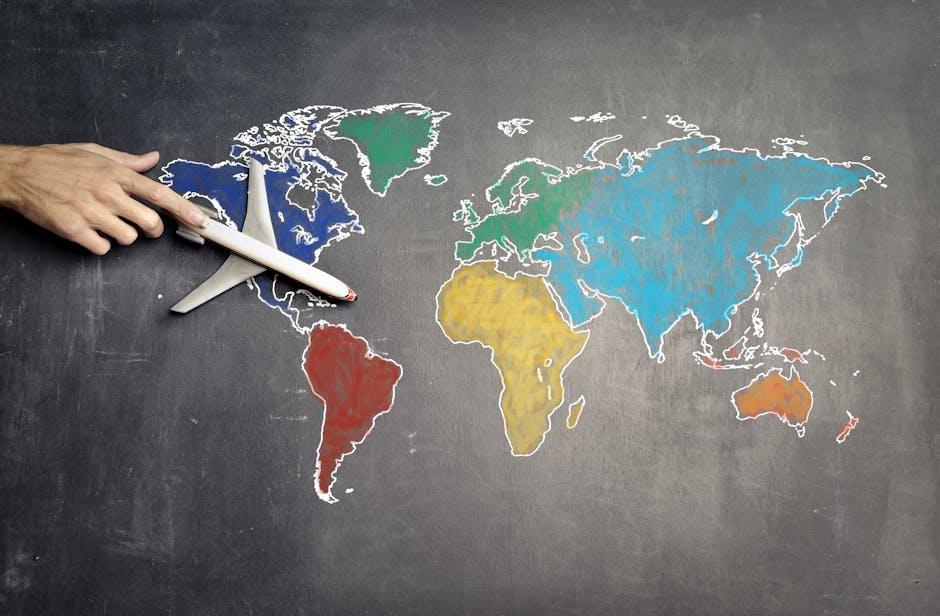
Understanding the Motivations Behind Global Migration
At the heart of migration lies a complex mosaic of motivations, shaped by individual ambitions and broader socio-economic forces. People often leave their homelands driven by a pursuit of better opportunities, safety, or a chance to reunite with family. These reasons vary widely, yet share a common thread: the desire for an improved quality of life. Economic factors such as employment prospects and access to education frequently top the list, but cultural and environmental pressures also weigh heavily. Whether escaping conflict zones or climate-induced hardships, migrants exhibit resilience and hope, crafting new beginnings in unfamiliar territories.
Understanding these motivations requires looking beyond surface explanations to the nuanced interplay of push and pull factors. Push factors—conditions compelling individuals to leave—include:
- Political instability
- Economic downturns
- Natural disasters
- Social oppression
Meanwhile, pull factors—elements attracting migrants to a new destination—can be summarized as:
- Job availability and higher wages
- Political stability and safety
- Better healthcare and education systems
- Existing diaspora communities
| Motivation Type | Examples | Impact on Migration |
|---|---|---|
| Economic | Job opportunities, higher income | Primary driver for labor migration |
| Political | Conflict, persecution | Leads to refugee flows |
| Environmental | Natural disasters, climate change | Increasingly urgent push factors |
| Social | Family reunification, cultural ties | Strengthens community bonds abroad |

Challenges and Opportunities in Destination Countries
Destination countries find themselves at a unique crossroads where rapid demographic shifts collide with the promise of enriched cultural diversity. On one hand, immigration revitalizes communities by filling labor shortages, injecting fresh ideas, and fostering innovation. However, it also demands agile policy frameworks to address integration, housing, education, and healthcare needs without overburdening local infrastructures. Government bodies and civil society must collaboratively navigate the delicate balance between welcoming newcomers and maintaining social cohesion. Often, this means adopting inclusive language policies, offering targeted workforce training, and promoting cross-cultural exchange programs that build mutual understanding.
The opportunities presented are vast and multifaceted. Economically, immigrants contribute to entrepreneurial ecosystems, enhancing competitiveness in global markets. Socially, their presence challenges existing norms and encourages societies to become more adaptable and resilient. Yet, challenges such as xenophobia, disparities in access to services, and legal complexities remain persistent barriers. Addressing these issues requires comprehensive strategies, as outlined in the table below, which summarizes key challenges alongside potential opportunities.
| Challenge | Opportunity |
|---|---|
| Integration into Local Labor Market | New Skills & Innovation Injection |
| Pressure on Public Services | Expansion of Multicultural Community Programs |
| Cultural & Language Barriers | Promotion of Language Learning & Cultural Exchange |
| Social Inclusion and Acceptance | Strengthening Social Cohesion & Diversity |
- Collaborative governance: Engaging multiple stakeholders to create inclusive frameworks.
- Targeted education: Tailoring programs that enable immigrants to thrive in new environments.
- Community empowerment: Encouraging immigrant voices in policy-making processes.
The Role of Policy in Shaping Immigration Experiences
Policy acts as the invisible framework guiding the journeys of millions seeking new lives beyond their homelands. It can either dismantle barriers or reinforce walls, dictating opportunities and challenges alike. Immigration laws—ranging from visa allocations to refugee protections—determine who is welcomed and under what conditions. These regulations not only shape economic prospects but also influence social integration, identity formation, and the sense of belonging in host countries. The ripple effects stretch beyond legal realms, touching community relations and personal narratives of hope and resilience.
Consider the multifaceted impact of policy through this snapshot of immigration frameworks and their effects:
| Policy Aspect | Potential Outcome | Community Impact |
|---|---|---|
| Strict border control | Reduced migration flow | Heightened undocumented migration, family separation |
| Expedited work permits | Increased labor mobility | Boost in economic dynamism, cultural exchange |
| Asylum seeker support | Enhanced protection and integration | Greater social cohesion, diversity appreciation |
| Points-based immigration | Merit-based selection | Shift in migrant demographics, skill realignment |
- Policy flexibility can foster adaptability to global shifts and humanitarian needs.
- Transparent guidelines build trust between migrants and institutions.
- Inclusive approaches enhance social fabric through diverse and enriched interactions.
Building Inclusive Communities Through Cultural Exchange
Fostering a sense of belonging in diverse urban spaces demands more than tolerance—it thrives on active cultural exchanges that reveal our shared humanity. Communities that welcome different traditions, languages, and perspectives unlock limitless potential, enabling individuals to weave a rich tapestry of collective identity. By embracing festivals, culinary arts, storytelling, and collaborative projects, neighborhoods become vibrant ecosystems where every voice contributes to the evolving narrative.
Successful cultural integration rests on key pillars that go beyond mere coexistence:
- Open dialogue that encourages empathy and breaks down stereotypes
- Inclusive public spaces designed for interaction and celebration
- Educational programs that highlight the history and beauty of diverse cultures
- Supportive policies promoting equitable opportunities and mutual respect
| Community Initiative | Impact |
|---|---|
| Monthly Cultural Potluck | Builds friendships through food sharing |
| Story Circles for Youth | Encourages intergenerational learning |
| Language Exchange Cafés | Facilitates communication and language skills |
Strategies for Supporting Immigrants’ Economic Integration
Empowering newcomers to thrive economically requires a multifaceted approach that acknowledges diverse backgrounds and skills. Tailored language programs focused on industry-specific terminology go beyond traditional ESL classes, offering immigrants the tools to communicate confidently in professional settings. Mentorship initiatives connecting immigrants with established local entrepreneurs or professionals create bridges of opportunity, fostering networks essential for career advancement. Moreover, accessible financial literacy workshops demystify banking, credit systems, and investment, allowing immigrants to make informed decisions that set the stage for long-term financial security.
Creating an inclusive economic landscape also means recognizing and addressing structural barriers. Inclusive hiring practices, such as anonymized resumes and skills-based assessments, help level the playing field by focusing on qualifications rather than origin. Here’s a snapshot of effective support elements often utilized:
| Support Element | Impact |
|---|---|
| Credential Recognition Programs | Reduces delays in workforce entry |
| Job Matching Services | Increases employment rates in skilled jobs |
| Entrepreneurship Grants | Stimulates small business development |
| Community-Based Support Groups | Boosts social capital and resources |
- Flexible childcare solutions enabling parents to pursue work or training
- Legal advisory clinics clarifying work rights and immigration status
- Collaborations with local businesses to create apprenticeship roles
To Wrap It Up
As the tides of global immigration continue to ebb and flow, crossing borders remains not just a physical journey, but a complex navigation through cultures, policies, and personal aspirations. In understanding these waves, we gain insight into the shared humanity that transcends lines on a map—reminding us that every crossing carries stories of hope, challenge, and transformation. In the end, navigating immigration is less about the borders themselves and more about the bridges we build in their wake.




