
In an era where borders blur and connections span the globe with unprecedented ease, the concept of identity is evolving beyond the singular. The rise of multiple citizenship today reflects a dynamic shift in how individuals relate to nations, communities, and opportunities. No longer confined to one passport or one allegiance, people are increasingly weaving together diverse legal and cultural threads into a complex tapestry of belonging. Navigating this multifaceted world of multiple citizenship reveals not only new freedoms and challenges but also a redefinition of what it means to belong in an interconnected age.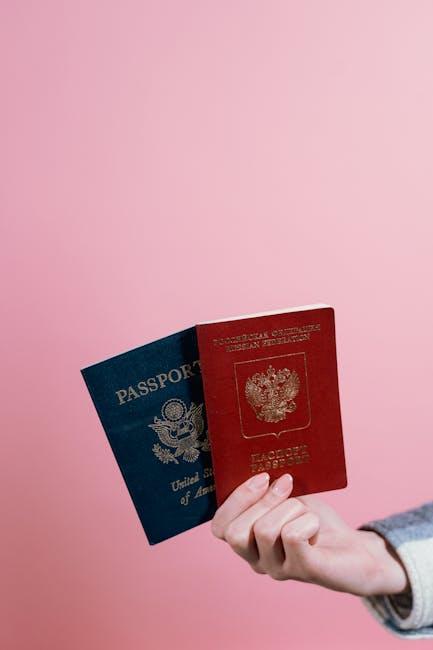
The Evolution of Multiple Citizenship in a Globalized Era
In an era defined by unprecedented connectivity and mobility, the concept of citizenship has transcended traditional boundaries. Multiple citizenship, once restricted to niche legal exceptions, is now increasingly seen as a strategic asset for individuals navigating complex geopolitical landscapes. This evolution reflects a shift toward a more fluid understanding of identity—where allegiance is not confined to a single nation-state but woven through a tapestry of cultural, economic, and social ties. Countries themselves have adapted, revising policies to accommodate and sometimes encourage dual or multiple citizenship, recognizing its potential to foster global diplomacy and economic advantage.
Today’s global citizens embrace multiple citizenship for diverse reasons:
- Economic Opportunities: Access to broader job markets and investment prospects worldwide.
- Family and Heritage: Preserving connections to cultural roots across generations.
- Freedom of Movement: Simplified travel and reduced bureaucratic hurdles.
- Political Security: Alternative political affiliations in unstable regions.
- Education Access: Easier enrollment in international institutions.
| Decade | Global Citizenship Trends | Policy Shifts |
|---|---|---|
| 1980s | Strict single citizenship enforcement | Limited recognition of dual citizenship |
| 2000s | Growing migrant communities, interest in dual status | Relaxed restrictions, dual citizenship permitted by more nations |
| 2020s | Widespread acceptance and strategic embrace of multiple citizenship | Policies encouraging multiple citizenship as asset |

Cultural Identity and Legal Complexities of Dual Nationals
Embracing multiple citizenships often means embracing a rich tapestry of cultural narratives. Individuals with dual or multiple nationalities navigate a unique personal landscape, one where traditions, languages, and societal values intermingle, shaping a dynamic sense of self. This hybridity fosters a broader worldview but can also prompt internal conflicts regarding loyalty and belonging. The dance between two or more identities can be both empowering and challenging, as dual nationals strive to honor the cultural essence of each heritage while forging a cohesive personal identity.
However, this vibrant cultural symbiosis is often shadowed by intricate legal realities. Dual nationals face a labyrinth of regulations, ranging from citizenship rights and military obligations to taxation and diplomatic protections. The following table highlights some common legal complexities these individuals encounter:
| Issue | Challenge | Potential Impact |
|---|---|---|
| Military Service | Compulsory enlistment in multiple countries | Legal conflicts, dual obligations |
| Taxation | Obliged to file taxes in more than one jurisdiction | Double taxation risk, financial strain |
| Travel Restrictions | Conflicting visa and passport use policies | Delays, denied entry |
Additionally, dual citizenship can lead to complications such as:
- Uncertain diplomatic protection during international disputes
- Legal contradictions in criminal and civil liability
- Complex inheritance laws across borders
Understanding these layered nuances is crucial for dual nationals seeking to navigate both their cultural heritage and legal obligations harmoniously.
Economic and Social Benefits Beyond Borders
Expanding one’s citizenship portfolio does more than just open doors geographically; it catalyzes a wave of economic opportunities and social advantages that resonate globally. Individuals holding multiple citizenships often experience enhanced access to international job markets, allowing them to leverage diverse career prospects and entrepreneurial ventures across borders. Tax incentives, ease of business establishment, and investment opportunities are frequently more accessible, providing a robust foundation for personal wealth growth and contributing positively to host economies. Moreover, this flexibility reduces bureaucratic hurdles, creating seamless cross-border transactions and fostering global commerce.
On a social dimension, multiple citizenships cultivate a unique sense of belonging and multicultural integration, promoting tolerance and cognitive diversity within societies. Families benefit from expanded access to healthcare, education, and social welfare systems in more than one nation, improving overall quality of life. Consider the following key benefits often cited by multi-citizens:
- Enhanced mobility: Visa-free travel to a broad array of countries.
- Cultural access: Participation in multiple national traditions and communities.
- Political inclusion: Voting rights and political engagement in different democracies.
| Benefit | Impact |
|---|---|
| International business | Streamlined cross-border investments |
| Dual social services | Improved healthcare & education access |
| Travel freedom | Reduced visa restrictions |
Policy Challenges and International Legal Perspectives
As globalization continues to blur traditional national boundaries, governments face complex policy dilemmas in addressing the ascent of multiple citizenship. While dual or multiple citizenship can foster cultural exchange and economic opportunities, it simultaneously raises questions about allegiance, national security, and social integration. Various states navigate this terrain by implementing diverse legal frameworks—ranging from welcoming multiple citizenships openly to imposing stringent restrictions or outright prohibitions. Policymakers often grapple with balancing sovereignty concerns and the rights of individuals who embody layered identities across borders.
International legal perspectives further complicate this mosaic, as no singular global standard exists to regulate citizenship multiplicity. Treaties and conventions intersect with domestic laws, creating overlapping jurisdictions and potential conflicts of law. Below is a snapshot of how different regions approach multiple citizenship:
| Region | Common Policy Approach | Key Concerns |
|---|---|---|
| Europe | Generally permissive, promoting integration | EU mobility vs. national sovereignty |
| Middle East | Restrictive, emphasizing loyalty | Security and political stability |
| Americas | Varied; many allow dual citizenship | Economic migration and diaspora relations |
| Asia | Selective acceptance | Population control and social cohesion |
Practical Tips for Managing Multiple Citizenship Responsibilities
Balancing multiple citizenships requires strategic planning and organized record-keeping. Prioritize keeping up-to-date with the legal obligations in each country—be it tax filings, voting requirements, or residency obligations. Utilize digital calendars and reminder apps to mark important deadlines, such as passport renewals or local elections, ensuring you never miss critical actions. Networking with expat groups or forums for each nationality can also provide invaluable grassroots insights and support, letting you navigate cultural expectations and bureaucratic nuances with greater confidence.
Understanding the unique benefits and limitations of each citizenship can help you optimize travel, work, and residency opportunities smartly. Below is a quick guide to managing these aspects efficiently:
| Responsibility | Tips | Tools |
|---|---|---|
| Tax Compliance | Hire specialized international tax consultants and maintain clear records. | Accounting software, tax reminder apps |
| Travel Flexibility | Keep all passports valid and understand visa-free zones for each. | Travel apps, government embassy notifications |
| Legal Documentation | Secure documents like birth certificates, marriage certificates, and proof of residency up-to-date. | Cloud storage, scanning apps |
| Voting & Civic Duties | Register for absentee or in-person voting where allowed. | Government portals, local consulate newsletters |
To Conclude
As borders blur and identities intertwine, the rise of multiple citizenship reflects a world increasingly defined by connectivity and choice. Navigating this evolving landscape challenges our traditional notions of belonging, allegiance, and opportunity, inviting us to rethink what it means to call more than one place home. In embracing the complexity of multiple citizenship, individuals and nations alike are crafting new paths through the shared tapestry of a globalized future—one that is as dynamic and multifaceted as the people who inhabit it.




