
In an increasingly connected world, the humble passport is more than just a booklet—it’s a gateway to exploration, opportunity, and adventure. But have you ever paused to consider what lies behind the price you pay for this essential travel document? Beyond the familiar issuance fees and expedited services, the true cost of obtaining and maintaining a passport involves a complex blend of administrative processes, security measures, and international regulations. This article delves into the layers of expense and effort embedded in your passport’s price tag, unveiling what you really pay for when you hold that little book in your hand.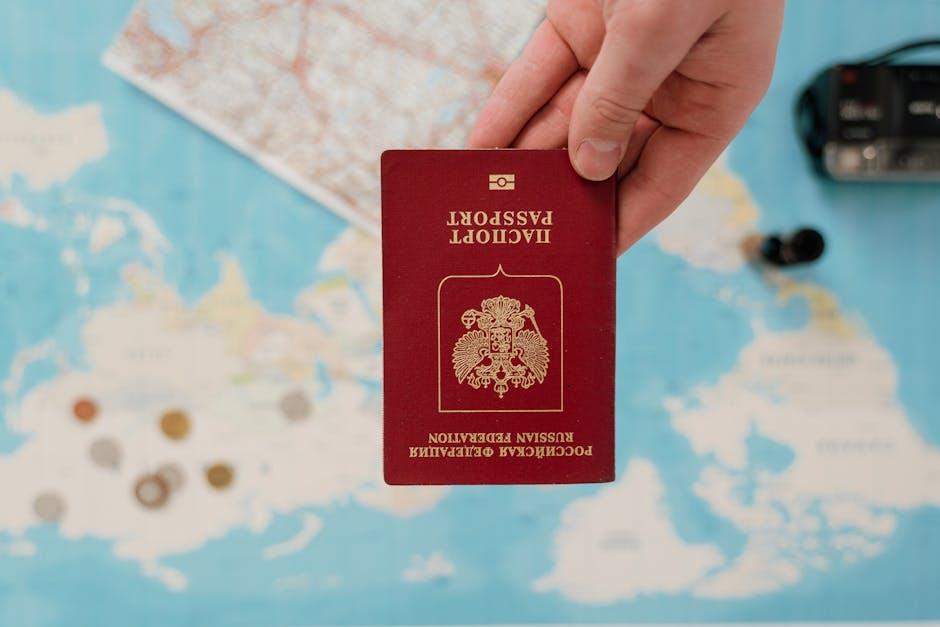
Understanding the Factors Influencing Passport Fees
Passport fees are shaped by a variety of elements, each contributing to the final amount you pay. At the core, the cost of materials used—such as special polymers, inks, and security threads—plays a significant role. Additionally, the intensity of security features like biometric chips or holograms directly impacts production expenses. But it’s not just about materials; administrative processes such as background checks, application verification, and fraud prevention measures require manpower and technology, subtly inflating the fee to ensure your travel document is both authentic and safe.
Beyond these intrinsic costs, external factors often tweak the fee structure. For instance, services that promise expedited processing or special delivery options come with premium charges. Geographic location also matters; applicants in remote or international areas might bear additional logistical fees. These considerations break down into costs such as:
- Processing speed – Regular vs. expedited applications
- Distribution methods – Mail delivery vs. personal pickup
- Location-based surcharges – Domestic vs. abroad applications
- Renewal vs. new issuance – Varying levels of complexity
| Factor | Contribution to Fee |
|---|---|
| Security Features | 40% |
| Administrative Processing | 30% |
| Material Costs | 15% |
| Expedited Services | 10% |
| Logistics & Delivery | 5% |

Breaking Down the Hidden Costs Beyond the Application Price
When budgeting for a passport, the initial application fee is just the tip of the iceberg. Beyond the official price tag, several ancillary charges weave into the total expenditure. For example, expedite services, which speed up the processing time, often come with a hefty surcharge. Additionally, if you need your documents to be couriered or delivered faster, you might find yourself paying extra for shipping. Another stealth cost is the expense of passport photos—usually overlooked but mandatory—where professional quality images can push the cost higher than anticipated.
Moreover, additional hidden expenses can emerge if your paperwork isn’t in perfect order on the first try. Common issues like mismatched documents or incomplete forms can require reapplications, each incurring further fees. Travel insurance or legal consultations for complex cases might also be necessary, adding layers to your total cost. The table below outlines some common hidden costs and their average fees, offering clarity on what you should expect beyond the basic application price.
| Service | Typical Additional Cost |
|---|---|
| Expedited Processing | $60 – $150 |
| Passport Photos | $10 – $25 |
| Courier & Delivery | $15 – $40 |
| Reapplication Fees | $115 (varies) |
| Legal/Consultation Fees | $50 – $200+ |
Comparing Passport Fees Across Different Countries
When it comes to obtaining a passport, the price tag varies dramatically across the globe, reflecting different government policies and economic factors. For example, some nations prioritize accessibility with fees under $50, while others treat passports as premium documents with costs soaring above $200. These fees often account for production, administrative work, and security features embedded in the passports. Unexpectedly, certain countries even offer discounted or free passports for specific groups such as seniors, students, or diplomats, leveling the playing field for travel enthusiasts and professionals alike.
Here’s a brief glimpse into how passport costs compare internationally:
- Japan: Approximately $90, known for its sleek design and advanced security.
- Canada: Around $120 for a 5-year validity, balancing cost and service speed.
- India: Around $40, reflecting a focus on affordability for its vast population.
- Norway: Near $180, emphasizing high-tech embedded chips and durability.
| Country | Passport Fee (USD) | Typical Validity |
|---|---|---|
| Australia | $150 | 10 years |
| Brazil | $120 | 10 years |
| South Africa | $85 | 5 years |
| United Kingdom | $170 | 10 years |
Tips for Saving Money on Passport Renewals and Expedited Services
When it comes to passport renewals and those urgent expedited services, smart planning can drastically cut the costs. Start by applying well in advance to avoid last-minute rush fees. Many opt for expedited processing only when deadlines loom, but aligning your renewal timeline with regular service windows can save you up to $60. Another savvy tip is to double-check your application forms and documents before submission—errors often lead to costly resubmissions or delays. Consider using official government resources rather than third-party agencies, as the latter may add hidden charges without speeding up the process significantly.
Also, exploring options like regional passport agencies or local post offices that handle passport services can reduce travel expenses and time off work. Some post offices offer extended hours or weekend appointments, making it easier to renew without jeopardizing your schedule. A cost-saving hack is to pay via acceptable electronic methods to avoid processing fees associated with credit cards or checks. Here’s a quick overview of tips to keep those expenses lean:
- Apply early to avoid expedited fees
- Use official government sources only
- Double-check documents to prevent re-application fees
- Choose convenient local offices to save travel costs
- Pay via electronic methods to reduce processing fees
Navigating Payment Options and Avoiding Common Pitfalls
When it comes to settling fees for your passport, understanding the payment avenues can prevent unnecessary delays and added costs. Most official platforms accept a variety of payment methods, including credit/debit cards, bank transfers, and sometimes even mobile payment apps. Choosing the right option not only expedites processing but can also help you avoid transaction fees or currency conversion issues if you’re paying internationally. It’s wise to double-check the accepted forms of payment on the issuing authority’s website, as these can vary by region and occasionally change without much notice.
Despite the straightforward process, common pitfalls abound with passport payments. These often include overlooking expiration dates on payment cards, misinterpreting fee breakdowns, or using unofficial payment portals that charge extra handling fees. To avoid such traps, keep this quick checklist in mind:
- Verify the authenticity of the payment site before entering card details.
- Check if additional service or convenience fees apply.
- Ensure your payment method will not expire before processing completes.
- Retain payment confirmation receipts for reference and dispute resolution.
| Payment Method | Pros | Cons |
|---|---|---|
| Credit/Debit Card | Fast processing, convenient | Potential foreign transaction fees |
| Bank Transfer | Secure, good for large payments | Longer processing time |
| Mobile Payment Apps | Simple and quick | Not widely accepted yet |
Future Outlook
As we close the pages on the true cost of your passport, it becomes clear that the price we pay extends beyond mere dollars and cents. Each fee and stamp we encounter represents a blend of security, administration, and international travel infrastructure working quietly behind the scenes. Understanding this complex web not only sheds light on what you pay today but also deepens appreciation for the gateway that unlocks the world’s possibilities. So, the next time you hold that little booklet in your hand, remember—it’s more than just a document; it’s a passport to experience, connection, and discovery, all woven into the price you pay.




