
In an era defined by unprecedented mobility and interconnectedness, the concept of identity is evolving beyond traditional borders. The rise of multiple citizenships is reshaping how individuals perceive belonging, loyalty, and opportunity in a world that is increasingly fluid and complex. As more people embrace dual or even triple nationalities, the question arises: what does it mean to navigate the overlapping layers of culture, law, and identity in today’s global landscape? This article explores the growing phenomenon of multiple citizenship, unraveling the motivations, challenges, and implications that come with holding more than one passport in the modern age.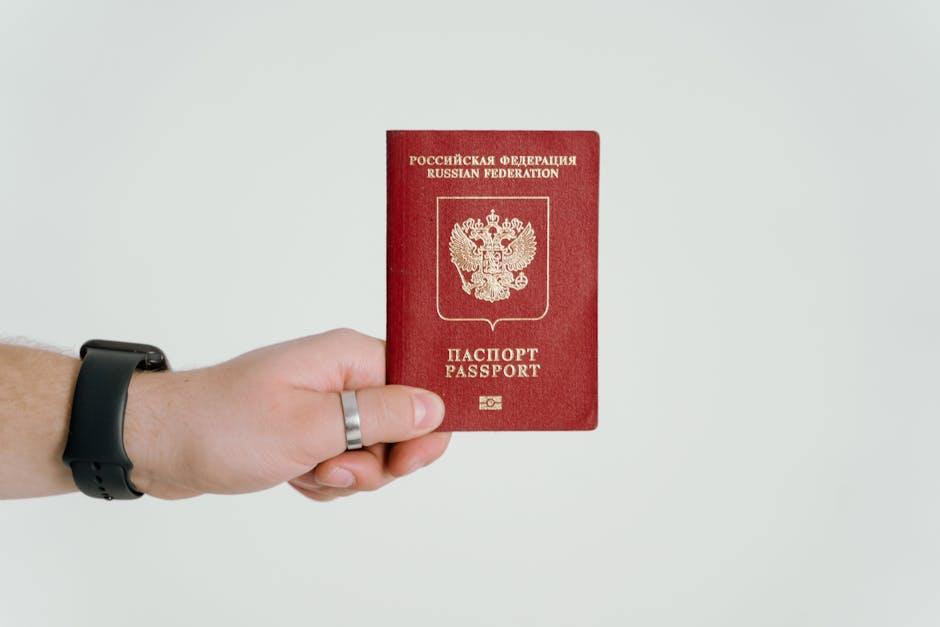
Exploring the Global Surge in Multiple Citizenship
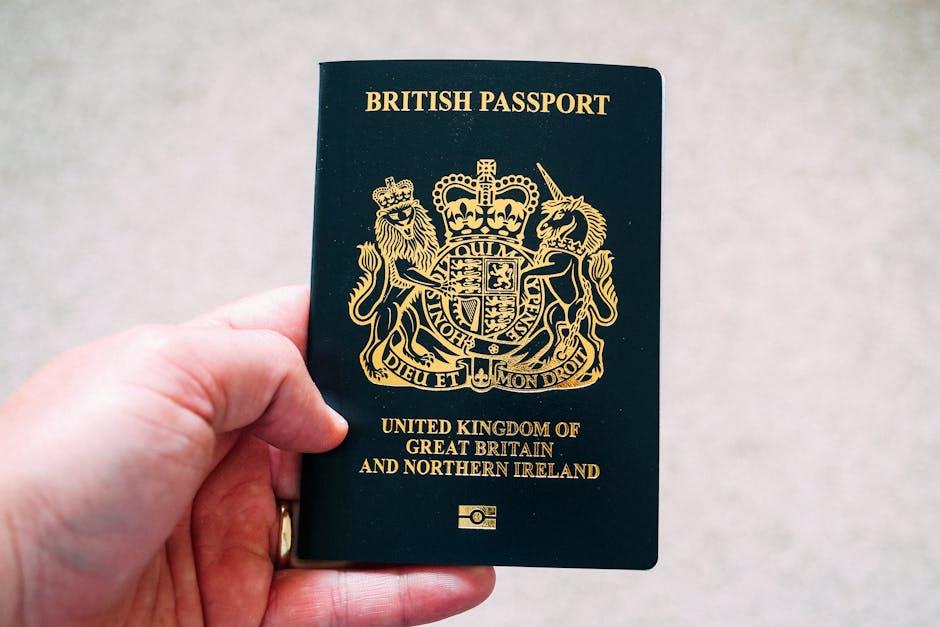
In an increasingly interconnected world, the concept of national identity has transformed from a singular allegiance to a multifaceted experience. People are no longer confined to a single passport or country; instead, they embrace multiple citizenships as a strategic and personal choice. This trend reflects more than legal status—it reveals evolving narratives of belonging, opportunity, and cultural fusion. Whether motivated by economic advantage, political stability, or family heritage, the surge in dual and triple citizenships challenges traditional notions of nationality and sovereignty.
This shift also brings intriguing socio-political dynamics, as governments adapt their policies to accommodate or restrict the growing wave of global citizens. Key factors fueling this rise include:
- Global mobility: Easier international travel and digital workspaces make multiple citizenship practical.
- Economic benefits: Tax optimization, business opportunities, and access to welfare systems.
- Cultural preservation: Connecting diaspora communities and maintaining familial roots across borders.
- Geopolitical tensions: Alternative citizenship offers refuge or security amid instability.
| Country | Allows Multiple Citizenship? | Popular Reasons |
|---|---|---|
| Canada | Yes | Economic opportunity, cultural diversity |
| Japan | No | Strict nationality laws |
| Portugal | Yes | Heritage, residency programs |
| United Arab Emirates | Restricted | Selective naturalization |
Understanding Legal Complexities and International Policies
Navigating the labyrinth of multiple citizenship involves more than just acquiring passports; it demands a deep understanding of the intricate legal frameworks that govern nationality across different nations. Each country holds its own set of laws defining eligibility, rights, and obligations tied to citizenship, often influenced by historic treaties and bilateral agreements. For instance, some countries embrace dual citizenship wholeheartedly, while others impose strict limitations or outright prohibit it. This patchwork of policies means that individuals must carefully evaluate how acquiring a second or third citizenship might affect their legal status, property rights, tax responsibilities, and even military service commitments.
International regulations further complicate the landscape, as global mobility and diplomatic relations shape citizenship laws in dynamic ways. Factors such as international conventions, anti-terrorism laws, and immigration policies contribute to the constant evolution of nationality status. Here are some key considerations when examining multiple citizenships:
- Renunciation Clauses: Some nations require renouncing former citizenships upon naturalization.
- Tax Implications: Dual citizens may be subject to taxation by multiple countries simultaneously.
- Consular Protection: Legal protection rights may be limited when traveling with multiple nationalities.
- Conflicting Allegiances: Political tensions can place dual citizens in delicate situations.
| Country | Dual Citizenship Policy | Notable Legal Constraint |
|---|---|---|
| Canada | Permissive | No need to renounce |
| Japan | Restrictive | Must choose by age 22 |
| Germany | Conditional | Requires government permission |
| India | Prohibited | No dual citizenship allowed |
Cultural Identity and the Personal Impact of Dual Nationality
Living between two worlds shapes a unique tapestry of emotions, traditions, and affiliations. Individuals with dual nationality often find themselves embracing a cultural duality that is as enriching as it can be complex. This blend cultivates a multifaceted sense of belonging—one that transcends borders yet challenges the simplicity of clear-cut identity labels. The experience is not merely about legal status but about crafting a personal narrative woven from distinct languages, histories, and social nuances.
Such an identity can influence various aspects of life, from social interactions to career opportunities. Many dual nationals celebrate the advantages of their multicultural background, including:
- Enhanced adaptability in diverse environments
- Broader linguistic and cultural fluency
- Deepened empathy toward multiple perspectives
| Aspect | Dual Nationality Impact |
|---|---|
| Cultural Expression | Fusion of traditions, festivals, and cuisines |
| Social Networks | Expanded global connections and friendships |
| Identity Challenges | Navigating conflicting cultural expectations |
Economic Opportunities and Challenges of Holding Multiple Passports
Possessing multiple passports unlocks a trove of economic possibilities, often transforming global mobility into strategic advantage. Entrepreneurs and remote workers can tap into diverse markets, harnessing favorable business climates and tax structures across borders. The freedom to reside and work legally in several countries minimizes bureaucratic hurdles, accelerates access to foreign investment, and enhances career flexibility on a global scale. Additionally, holding multiple citizenships can facilitate smoother international banking and real estate transactions, opening avenues once limited by nationality restrictions.
However, these privileges come with nuanced challenges that require astute navigation. Dual or multiple citizenship may complicate tax obligations, leading to complex filing requirements and potential double taxation. Compliance with differing legal frameworks can add layers of financial scrutiny and administrative burden. For instance, some countries have stringent rules on inheritance, social security contributions, or mandatory military service, which can impact an individual’s economic planning. Balancing these multifaceted considerations means that while multiple citizenships can be a powerful tool for economic empowerment, they also demand a careful, informed approach.
| Opportunity | Potential Challenge |
|---|---|
| Access to diversified investment markets | Complex tax declarations |
| Reduced visa restrictions for business travel | Conflicting legal obligations |
| Multiple income stream options | Increased financial compliance |
| Flexibility in residence choice | Risks of double taxation |
Practical Guidance for Navigating Rights and Responsibilities
Embracing multiple citizenship requires a clear understanding of your rights across borders. It’s essential to keep abreast of the legal frameworks in each country to avoid conflicts, such as military service obligations or tax liabilities. Maintaining up-to-date documents like passports and national IDs ensures smooth international travel and access to government benefits. Always verify enrollment procedures for social services, as eligibility might differ significantly between nations, even if you hold citizenship.
To effectively manage your complex identity, consider these actionable tips:
- Know your voting rights: Some countries allow expatriates to vote abroad, while others don’t.
- Understand tax requirements: Dual citizens may need to file taxes in multiple jurisdictions.
- Keep emergency contacts updated: Register with consulates when traveling.
- Educate family members: Ensure relatives understand the implications of multiple citizenship.
| Responsibility | Example | Practical Tip |
|---|---|---|
| Tax Filing | US citizens must file IRS returns regardless of residence | Consult tax experts specializing in expat laws |
| Military Service | Some countries require service or exemptions | Check consulate websites for current mandates |
| Voting | Voting rights differ per country | Register early with overseas voting boards |
Closing Remarks
As the world becomes ever more interconnected, the concept of identity continues to evolve, weaving together threads from diverse cultures, nations, and histories. Multiple citizenship, once a rarity, now embodies the complexities and freedoms of our global era—offering both opportunities and challenges in equal measure. Navigating this multifaceted landscape requires understanding not only legalities but also the personal narratives that shape how we belong. In embracing multiple citizenship, we find ourselves at the crossroads of tradition and transformation, poised to redefine what it truly means to call more than one place “home.”




