
In a world increasingly defined by borders that blur and identities that overlap, the phenomenon of dual nationality stands as a compelling testament to our interconnected era. More than just a legal status, holding citizenship in two countries weaves a complex tapestry of rights, responsibilities, and cultural belonging. As individuals embrace this duality, they find themselves navigating a landscape filled with unique opportunities as well as intricate challenges. This article delves into the multifaceted reality of dual nationality, unraveling the legal frameworks, social implications, and personal stories that define what it truly means to belong to two nations at once.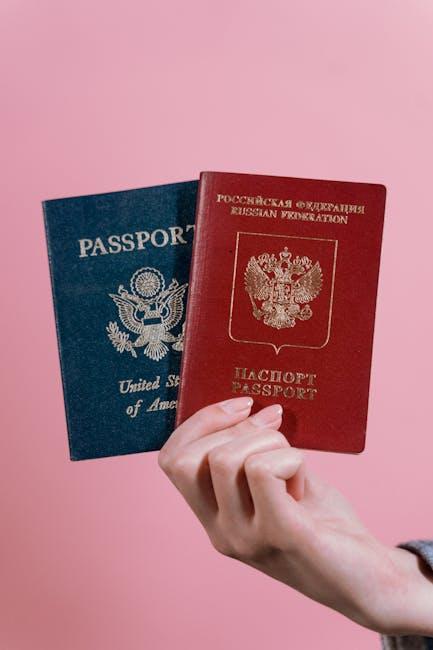
Understanding Dual Nationality and Its Global Landscape
The concept of holding citizenship in two countries simultaneously offers a unique blend of cultural, social, and legal complexities. Dual nationality allows individuals to enjoy benefits such as expanded travel freedom, access to multiple educational systems, and the right to work in either nation. However, it also brings challenges, notably in areas like taxation, military service obligations, and legal conflicts between two sets of national laws. Understanding the specific policies of each country is crucial, as some nations embrace dual citizenship openly, while others impose restrictions or outright prohibit it.
Key dimensions of the dual nationality experience include:
- Legal obligations: Citizens may owe allegiance and duties, including taxes or conscription, to both countries.
- Rights and protections: Access to social services, voting rights, and consular assistance can vary significantly.
- Cultural identity: Balancing multiple national identities can enrich personal perspectives but also create complex emotional ties.
| Country | Dual Citizenship Policy | Notable Exception |
|---|---|---|
| Canada | Permitted | None |
| Japan | Restricted | Requires choosing one by age 22 |
| Germany | Conditional | Usually requires permission |
| Brazil | Permitted | Allows unlimited dual citizenship |
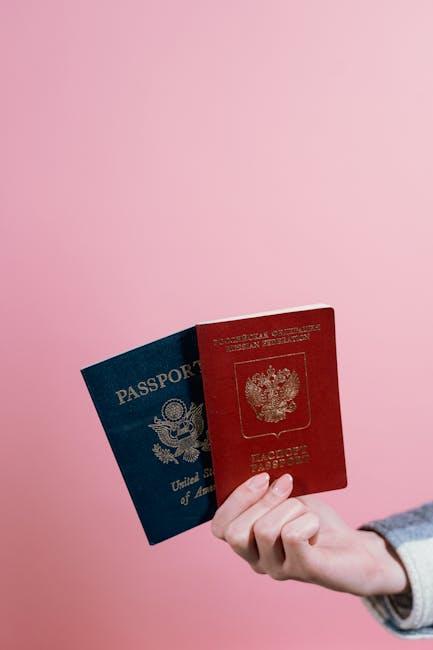
Legal Rights and Responsibilities of Dual Citizens
Holding citizenship in two countries offers a fascinating blend of opportunities and obligations. Dual citizens enjoy the privilege of accessing rights from both nations, such as voting in elections, employment benefits, and consular protection overseas. However, these advantages come paired with distinct responsibilities that can sometimes conflict, requiring a nuanced understanding. For instance, dual nationals may be obligated to pay taxes and serve in the military of either country, depending on local laws. Being aware of these legal expectations helps avoid inadvertent breaches and ensures compliance with international and domestic regulations.
Navigating the legal landscape of dual nationality often means juggling diverse rules that impact daily life and long-term commitments. Consider some of the key factors that shape the experience:
- Citizenship Renunciation Policies: Some countries demand formal renunciation, while others tolerate dual allegiance.
- Passport Use: Laws may specify which passport to use when entering or exiting each country.
- Legal Protections and Liabilities: Dual citizens might face different legal statuses depending on the jurisdiction and specific treaties.
- Rights to Social Services: Eligibility for welfare, healthcare, and education benefits can vary widely between countries.
| Country | Military Service Requirement | Tax Obligations | Consular Assistance |
|---|---|---|---|
| Country A | Compulsory (18-25 yrs) | Worldwide income | Yes, worldwide |
| Country B | Voluntary | Income earned locally only | Yes, abroad |
| Country C | None | Tax exemptions available | No (except emergencies) |
Cultural Identity Challenges and Opportunities
Living with dual nationality often means embracing a rich tapestry of cultural narratives, but this can also present significant internal conflicts. Individuals may find themselves negotiating competing traditions, languages, and social expectations on a daily basis. While dual nationality can enhance one’s sense of belonging and broaden worldviews, it sometimes leads to a feeling of being caught “between worlds,” where the challenge lies in harmonizing multiple identities without diluting either. The experience can become a profound journey of self-discovery, as people redefine what it means to belong in an increasingly interconnected world.
However, alongside these challenges arise unique opportunities to act as bridges between cultures, fostering empathy and cross-cultural dialogue. Dual nationals often serve as natural ambassadors, equipped to understand and navigate diverse perspectives. Here are some of the key advantages they might leverage:
- Enhanced linguistic skills: Bilingualism or multilingualism offers cognitive benefits and greater career opportunities.
- Diverse networks: Access to multiple social and professional circles across borders.
- Broadened worldview: An enriched perspective that encourages innovation and cultural sensitivity.
- Legal protections: Dual nationality can provide fallback options in cases of political or economic instability.
| Challenge | Potential Opportunity |
|---|---|
| Identity Confusion | Cultural Adaptability |
| Legal Complexities | Access to Multiple Rights |
| Family Expectations | Broader Support Systems |
| Discrimination Risks | Unique Advocacy Roles |
Practical Tips for Managing Dual Nationality in Everyday Life
Embracing dual nationality often means navigating a unique blend of cultural norms, legal responsibilities, and social expectations. To make everyday life smoother, it’s essential to stay organized and informed. Start by keeping a dedicated folder—digital or physical—for all your citizenship documents, including passports, ID cards, and any paperwork related to residency or taxes. This ensures quick access when crossing borders or dealing with government agencies. Additionally, understand specific rights and obligations tied to each nationality, like voting rights, military service requirements, or tax filings. Staying up-to-date with the legal nuances can prevent unpleasant surprises down the line.
When managing obligations across two countries, practical habits go a long way. Consider this quick reference table summarizing crucial actions for dual nationals:
| Aspect | Tips for Management |
|---|---|
| Travel | Always carry both passports and understand visa requirements of each nationality. |
| Taxes | Consult a tax advisor who specializes in international taxation to avoid double taxation. |
| Voting | Register in advance for elections in both countries if eligible. |
| Healthcare | Maintain local health insurance and understand reciprocal agreements. |
Lastly, foster connections with communities from both heritages. Engaging with dual nationality support groups or cultural associations can provide valuable insights and emotional support, enriching your experience and helping you build networks that respect and celebrate your multifaceted identity.
Policy Trends and Future Directions in Dual Nationality Legislation
As globalization accelerates, countries are rethinking their stance on dual nationality to balance national security concerns with the benefits of fostering multicultural citizenship. Emerging policy trends reveal a shift towards greater inclusivity, where nations provide streamlined pathways for dual citizenship, especially for immigrants and diaspora communities. This evolution highlights a recognition that dual nationals can serve as bridges in diplomacy, commerce, and cultural exchange, enriching both countries involved. However, some states still enforce strict regulations, driven by fears of divided loyalties or legal complications, underscoring an ongoing tension between inclusion and control.
Looking ahead, future directions in legislation are increasingly shaped by technological advancements and international cooperation. Governments are exploring digital identity frameworks to verify dual nationality claims securely and transparently, potentially simplifying administrative processes. Meanwhile, regional blocs and international organizations are beginning to draft harmonized guidelines, aiming to reduce cross-border legal conflicts and protect the rights of individuals who straddle multiple sovereignties. This emerging landscape encourages a more flexible, rights-based approach to citizenship that transcends traditional notions of national belonging.
- Inclusivity: Expanding dual nationality eligibility criteria.
- Security Measures: Enhanced identity verification technologies.
- International Coordination: Promoting interoperability of citizenship laws.
| Trend | Impact | Example |
|---|---|---|
| Legislative Relaxation | Increased dual citizenship acquisition | Canada’s facilitation of dual nationality |
| Digital Verification | Enhanced security and transparency | Estonia’s e-residency programs |
| Regional Harmonization | Reduced cross-border legal conflicts | EU policies on citizenship rights |
The Way Forward
As we conclude this exploration into the intricate world of dual nationality, it becomes clear that holding multiple citizenships is more than just a legal status—it is a dynamic experience shaped by diverse rights, responsibilities, and personal identities. Navigating these layers requires awareness and adaptability, as realities shift across borders and cultures. Whether embraced as a gateway to opportunity or a complex balancing act, dual nationality invites us to reconsider the meaning of belonging in an increasingly interconnected world. The journey may be nuanced, but with knowledge and openness, the dual citizen can turn multiplicity into strength.




