
In a world increasingly defined by movement and connection, the journey across borders is both a personal adventure and a complex legal process. “Unlocking Borders: A Guide to Immigration Documents Today” invites you to navigate the intricate landscape of paperwork, permits, and policies that shape modern migration. Whether you are pursuing new opportunities, reuniting with loved ones, or seeking refuge, understanding the essential documents is the key to turning possibility into reality. This guide illuminates the path through bureaucracy, offering clarity and insight for those ready to step beyond boundaries and into new chapters of life.
Understanding the Essential Immigration Documents for Global Travel
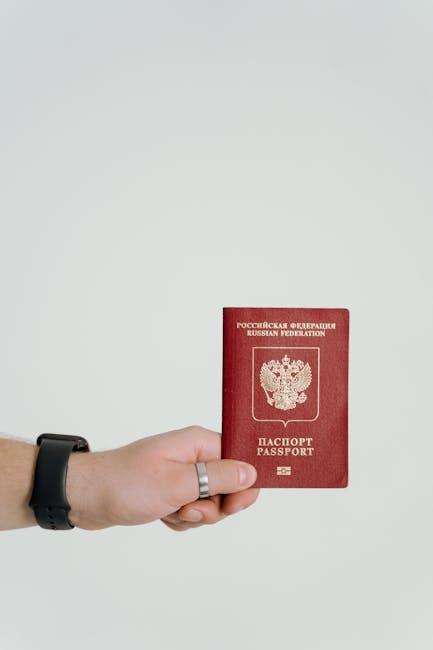
Global travel is a thrilling experience, but it hinges on having the right paperwork to cross borders seamlessly. At the heart of this process lie a few key documents that every traveler must understand. Passports serve as your primary identification and proof of nationality, acting as your global calling card. Beyond that, various visas specify the purpose and duration of your stay, ranging from tourism to work assignments. Knowing the distinction and requirements for each is fundamental before packing your bags.
Other essentials that often fly under the radar include the entry permits and return tickets—critical for ensuring you meet the entry and exit conditions of many countries. These documents often complement your passport and visa, creating a smooth narrative of your travel intentions. To help clarify, here’s a quick overview:
| Document | Purpose | Common Requirements |
|---|---|---|
| Passport | Identification and nationality | Valid for at least 6 months; biometric features |
| Visa | Permission to enter/stay | Depends on destination and travel reason |
| Entry Permit | Additional entry approval | Varies by country; often for visa-exempt travelers |
| Return Ticket | Proof of exit from country | Required by some countries at entry |
Navigating the Application Process with Confidence and Clarity
Approaching the immigration application process with a strategic mindset transforms what might seem like an overwhelming journey into a manageable and even empowering experience. Start by gathering all your documents early—this includes passports, birth certificates, and any previous visa paperwork. Understanding the specific requirements for each form you fill out allows you to avoid common pitfalls like missing signatures or overlooked deadlines. Keep a dedicated checklist to track your progress and ensure every piece of evidence is authentic and up-to-date, which demonstrates your seriousness and reliability to immigration officials.
Beyond the paperwork, communication is key. Maintain clear and polite correspondence with the immigration authorities, and don’t hesitate to seek clarification if instructions seem unclear. Here’s a quick reference for application tips that can elevate your submission:
- Double-check eligibility criteria before applying to save time.
- Keep digital and physical copies of all submitted documents.
- Use certified translations for documents not in the official language.
- Prepare for interviews by rehearsing common questions confidently.
| Application Step | Timeframe | Tip |
|---|---|---|
| Document Collection | 2-4 weeks | Scan and organize early |
| Form Completion | 1 week | Review twice before submission |
| Interview Scheduling | Varies | Respond promptly to notices |
| Final Decision | 1-3 months | Follow up politely if delayed |
Tips for Avoiding Common Pitfalls in Document Submission
Ensuring your documents are flawless before submission can save you from unexpected delays or outright rejections. One of the most common mistakes is overlooking the accuracy of personal information—names, dates, and identification numbers must match perfectly across all papers. Double-check each spelling and numeric value to avoid inconsistencies. Additionally, always keep an eye on the expiration dates of passports, visas, and other certificates; submitting outdated documents can instantly nullify your application.
Avoid the chaos of last-minute gathering by organizing your paperwork strategically. Use this simple checklist to stay ahead:
- Scan and backup: Keep digital copies accessible on multiple devices.
- Certified translations: When submitting documents in a foreign language, make sure translations are notarized.
- Follow format guidelines: Pay attention to file types, size limits, and submission portals.
- Proof of payment: Include authorized receipt confirmations whenever applicable.
| Common Pitfall | Quick Fix | Result |
|---|---|---|
| Mismatched names | Cross-verify all documents | Smooth processing |
| Expired documents | Renew before submission | Avoid delays |
| Uncertified translations | Use authorized translators | Legal acceptance |
How to Stay Updated on Changing Immigration Policies
Keeping abreast of immigration regulations requires more than just periodic checks; it demands a dynamic approach to navigating the fast-evolving landscape. One of the most effective strategies is subscribing to official government newsletters and alerts, which deliver timely updates straight to your inbox. Alongside this, leveraging reputable immigration law blogs and websites, run by seasoned attorneys and experts, can provide detailed analyses and insights that go beyond the headlines. Engaging with social media channels of immigration authorities and advocacy groups also offers real-time announcements and community support, making the complex changes easier to understand and respond to.
Additionally, creating a personalized monitoring system can significantly ease the process. Make it a point to use tools like Google Alerts for keywords related to your immigration status or target country policies. Consider joining local immigration forums or LinkedIn groups where peers and professionals share firsthand experiences and emerging trends. Here’s a quick reference to streamline your information sources:
| Resource Type | Benefit | Example |
|---|---|---|
| Government Newsletters | Official policy updates | USCIS Email Alerts |
| Legal Blogs | Expert commentary & advice | ImmigrationProf Blog |
| Social Media | Breaking news & community tips | @ImmigrationLaw on Twitter |
| Online Forums | Shared experiences & support | Reddit r/immigration |
Expert Recommendations for Maintaining Valid and Secure Documentation
Ensuring your immigration documents remain valid and secure is paramount in navigating the complexities of cross-border movement. Professionals advise keeping a meticulous record of expiration dates and renewal requirements, avoiding last-minute scrambles that can disrupt travel plans. Regularly cross-referencing your documents against official government portals is a reliable way to stay updated on any changes that may affect your visa status or residency permits. Digitizing important papers—while maintaining physical copies in a safe location—adds an extra layer of protection against loss, theft, or damage. Moreover, always use reputable channels for document submission or renewal, and verify the authenticity of any third-party service providers involved.
Security doesn’t end with safekeeping; safeguarding personal information embedded within your documents is equally vital. Experts recommend employing multi-factor authentication for online platforms linked to your immigration profile and refraining from sharing sensitive data over unsecured networks. To illustrate, the table below outlines critical documentation alongside recommended security practices and renewal timelines, serving as a quick reference to keep your records in check.
| Document | Security Tip | Renewal Frequency |
|---|---|---|
| Passport | Store in RFID-blocking sleeves | Every 10 years |
| Visa | Monitor digital notifications for expiry | Varies by type (6 months–5 years) |
| Residency Permit | Secure digital copies with encryption | 1–2 years |
Concluding Remarks
As we close the pages on this guide to unlocking borders, remember that immigration documents are more than just papers—they are keys to new beginnings, bridges to unfamiliar lands, and symbols of hope for countless journeys. Navigating the maze of forms and processes may seem daunting, but with knowledge and preparation, the path becomes clearer. Whether you’re crossing for opportunity, refuge, or reunion, understanding the essentials empowers you to step forward confidently into the next chapter of your story. Borders may define geography, but informed choices define the journey.




