
In an increasingly interconnected world, the traditional boundaries that define nationality are being reimagined and reshaped. Among the most compelling developments is the concept of joint citizenship—where individuals hold legal and cultural ties to more than one nation simultaneously. This notion challenges long-held ideas about identity, belonging, and allegiance, offering a bridge between diverse communities and fostering deeper global connections. In this article, we explore the multifaceted dimensions of joint citizenship, examining its implications, benefits, and the evolving landscape of what it means to belong to more than one homeland.
Exploring the Foundations of Joint Citizenship and Its Historical Context
Joint citizenship, a dynamic legal and social concept, has evolved from historic treaties and cultural exchanges that transcended traditional borders. From early mercantile agreements in the Mediterranean to modern bilateral treaties, the idea centers on recognizing the ties individuals hold to more than one nation, blending sovereignty with shared identity. This amalgamation highlights a key human reality: identity is often fluid rather than fixed, fostering connections that extend beyond singular national narratives.
Understanding the foundations of joint citizenship requires examining its complex legacy, including:
- Colonial histories: Where overlapping claims created dual loyalties for many peoples.
- Migration waves: That prompted nations to legally accommodate multiple affiliations.
- International law developments: Leading to clearer frameworks on rights and obligations within dual citizenship.
- Globalization forces: Encouraging greater fluidity in identity and allegiance across state lines.
| Era | Key Development | Impact |
|---|---|---|
| 15th-17th Century | Maritime trade treaties | Set precedent for shared rights in port cities |
| 19th Century | Colonial administration agreements | Complicated national affiliations in colonies |
| 20th Century | Post-war bilateral citizenship accords | Legal recognition of dual nationality increases |
| 21st Century | Globalization and mobility treaties | Expanded acceptance of joint citizenship |
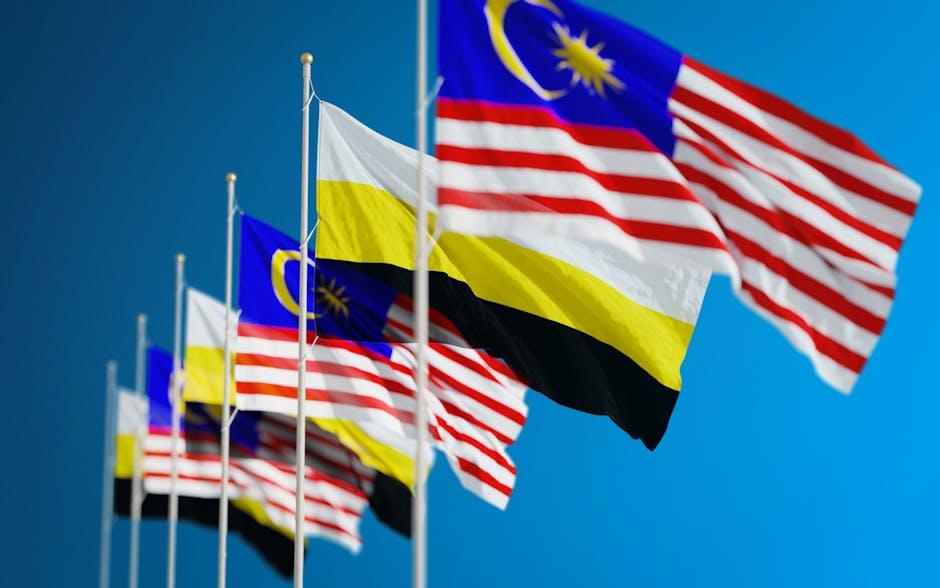
Cultural Integration and Social Dynamics in Dual National Belonging
Living with joint citizenship often means weaving together the rich tapestries of two distinct cultural identities, creating a unique social fabric that reflects the best of both worlds. This dynamic interplay fosters a sense of belonging that transcends geopolitical boundaries, encouraging individuals to embrace diverse traditions, languages, and social norms. The experience can lead to increased cross-cultural empathy and adaptability, as dual nationals often navigate various social settings where they must reconcile differing expectations and values. In this process, the blending of cultural narratives not only enriches personal identity but also contributes to broader social cohesion and mutual understanding within multicultural communities.
However, this dual affiliation also introduces complex social dynamics, including challenges around loyalty, representation, and community integration. Individuals with joint citizenship may find themselves balancing competing allegiances or facing questions about their identity from both societies. Key factors influencing these social dynamics include:
- Community acceptance: The level of openness and inclusivity within each national community.
- Legal frameworks: How each country supports or restricts dual citizenship rights.
- Personal and familial ties: The strength of connections to each culture and society.
Such factors shape not only interpersonal relationships but also influence policies aimed at enhancing social harmony and civic participation among dual nationals.
Legal Frameworks Governing Joint Citizenship Across Different Countries
Governance around dual or joint citizenship varies considerably, colored by each nation’s historical, political, and social landscape. Many countries embrace dual citizenship under specific conditions, recognizing it as a bridge that fosters international cooperation and personal freedom. In contrast, others uphold strict regulations, viewing exclusive allegiance as a cornerstone of national identity. Key elements that often shape these legal frameworks include the rights to vote, work, and access social services in both countries, alongside nuanced rules about military service and taxation.
To illustrate these differences, consider the following comparative overview of select countries and their joint citizenship policies:
| Country | Acceptance of Dual Citizenship | Major Legal Requirements | Restrictions |
|---|---|---|---|
| Canada | Permitted | Full rights and obligations in both countries | Mandatory disclosure during government employment |
| Japan | Generally not allowed | Must choose one citizenship by age 22 | Loss of citizenship upon dual status after deadline |
| Germany | Conditional | Requires permission for dual citizenship | Limited to EU member states and select cases |
| Brazil | Permitted | No mandatory loss of original citizenship | Must use Brazilian passport when entering Brazil |
Understanding these frameworks is crucial not only for those directly involved but also for policymakers and global citizens navigating the increasingly interconnected world. The evolving nature of such laws reflects broader debates about sovereignty, diversity, and the rights of individuals living across borders.
Challenges and Opportunities in Policy Making for Joint Citizens
Crafting policies for joint citizens introduces a unique tapestry of challenges that require delicate balance and forward-thinking. Governments must navigate complex legal frameworks to accommodate dual allegiances, ensuring that rights and responsibilities do not clash but rather complement one another. The diversity in cultural identities and national priorities often demands nuanced approaches to citizenship laws, social benefits, and political participation. Without thoughtful integration, there is potential for confusion or even disenfranchisement among joint citizens, risking social cohesion and national unity.
Yet within these challenges lie remarkable opportunities to redefine notions of belonging and cooperation. Joint citizenship can act as a bridge fostering stronger diplomatic ties and cultural exchange between nations. Policymakers have the chance to innovate with inclusive frameworks that support mobility, enrich democratic representation, and stimulate economic collaboration. Key focus areas include:
- Streamlining cross-border legal recognition
- Developing equitable rights and tax policies
- Promoting integration without assimilation
- Enhancing social safety nets based on flexible criteria
- Encouraging civic engagement in both countries
| Challenge | Opportunity |
|---|---|
| Legal conflicts in dual citizenship | Creating harmonized legal frameworks |
| Social integration difficulties | Fostering multicultural community programs |
| Varying tax obligations | Implementing coordinated tax treaties |
Practical Steps for Individuals Navigating Dual National Identities
Embracing a dual national identity invites individuals to weave together diverse cultural threads into a rich, personal tapestry. Start by actively exploring both heritages through language learning, cultural festivals, and ancestral history. This immersive approach nurtures a deeper understanding and appreciation of each nation’s unique values and traditions, fostering a stronger sense of belonging. Additionally, staying informed about the legal rights and obligations in each country ensures that you navigate responsibilities smoothly, making your dual citizenship an asset rather than a complication.
Unlock the potential of your dual identity by adopting practical daily habits:
- Maintain personal documents—passports, residency permits—with updated information to avoid administrative hurdles.
- Engage with communities—online groups or local clubs—that resonate with either nationality, expanding your support network.
- Plan travel thoughtfully to maximize benefits such as visa-free access and healthcare entitlements.
- Consult with immigration experts or legal advisors to clarify complex nationality regulations when needed.
| Challenge | Smart Solution |
|---|---|
| Conflicting Legal Duties | Seek dual citizenship legal counsel |
| Identity Confusion | Cultivate cultural pride through traditions |
| Travel Restrictions | Use nationality-specific travel perks strategically |
Future Outlook
As the world becomes increasingly interconnected, the concept of joint citizenship emerges not just as a legal status but as a bridge between cultures, identities, and opportunities. Embracing dual belonging encourages us to rethink the boundaries of nationality, fostering a more inclusive perspective on what it means to belong. In understanding joint citizenship, we glimpse a future where cooperation transcends borders, and shared identities pave the way for a more unified global community.




