
In the intricate tapestry of human migration, the threads of family often weave the strongest connections across borders. Behind every journey lies a story not just of distant lands and new opportunities, but of relationships that inspire, sustain, and guide decisions to cross frontiers. “Bridging Borders: The Role of Family in Immigration Paths” explores how familial bonds shape the paths immigrants take—offering support in moments of uncertainty, shaping identities in unfamiliar places, and building bridges between cultures. This article delves into the subtle yet profound ways family influence the migration experience, revealing that beyond policies and statistics, it is the ties of kinship that often light the way.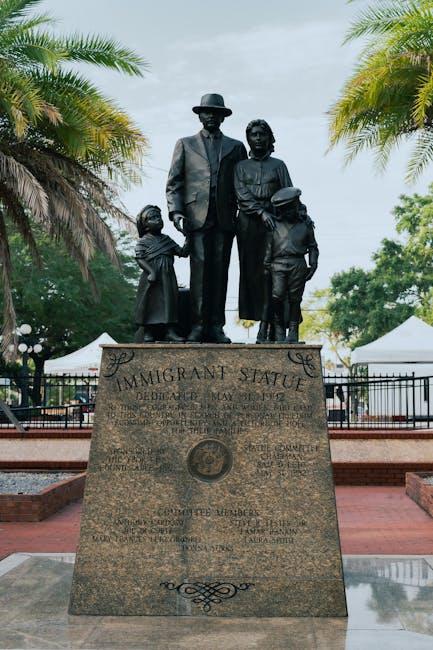
Understanding Family Sponsorship and Its Impact on Immigration Journeys
Family sponsorship serves as a powerful catalyst in the realm of immigration, transforming the abstract journey of relocation into a deeply personal and connected experience. By enabling close relatives to unite across borders, it offers a bridge that not only shortens physical distance but also eases emotional strains. This mechanism empowers loved ones to provide essential support—be it financial guidance, housing, or emotional encouragement—during the critical phases of adapting to a new country. Beyond paperwork and policies, family sponsorship embodies the essence of human connection at the heart of migration stories.
Understanding its impact involves recognizing the multifaceted benefits families bring to the immigration process. These include:
- Increased stability through shared resources and knowledge
- Accelerated integration via cultural and emotional familiarity
- Strengthened mental wellbeing as individuals navigate unfamiliar challenges
| Aspect | Impact on Immigration |
|---|---|
| Financial Backing | Reduces initial economic pressures |
| Emotional Support | Mitigates feelings of isolation |
| Guidance & Mentorship | Eases cultural acclimatization |

Navigating Legal Challenges and Emotional Dynamics in Family-Based Immigration
Family-based immigration often treads a complex path where legal intricacies intertwine with deeply personal experiences. Navigating this terrain demands more than just understanding paperwork; it requires recognizing the emotional weight carried by each petition. Many families face delays, stringent documentation requirements, and sometimes unexpected denials, placing them in limbo. Moreover, changes in policy or shifting legal landscapes can alter expectations overnight. Applicants and sponsors alike must cultivate patience, resilience, and a readiness to adapt, while also seeking trusted legal guidance to mitigate risks and maximize success.
Beyond the bureaucracy lies the delicate dance of emotions—hope, anxiety, and sometimes frustration—experienced by those waiting to be reunited. This emotional spectrum can affect relationships, communication, and decision-making within families. Strategies to manage these dynamics effectively include:
- Open conversations to clarify expectations and timelines
- Establishing support networks both within and outside the family
- Employing professional counseling to handle stress and uncertainty
To further illustrate the balance between legal steps and emotional preparation, consider the following overview:
| Aspect | Legal Consideration | Emotional Response |
|---|---|---|
| Visa Petition Filing | Document accuracy & deadlines | Hope mixed with anxiety |
| Background Checks | Potential delays or flags | Frustration and uncertainty |
| Interview & Approval | Interview preparation & legal clarity | Excitement and nervousness |
| Final Reunification | Compliance with entry regulations | Joy and relief |
Cultural Integration and the Role of Family Support Systems Abroad
The journey of adapting to a new country is often filled with challenges, but the presence of a strong family support system can act as a vital anchor. Families serve not only as emotional buffers but also as practical guides, helping newcomers navigate unfamiliar cultural norms, languages, and social expectations. This interconnectedness fosters a sense of belonging, easing the process of cultural integration by creating safe spaces for shared experiences and mutual growth. When families unite in the face of change, they strengthen the social fabric of immigrant communities, making adaptation smoother and more resilient.
Beyond emotional support, families often become the first educators in cultural acclimation, passing on essential skills and knowledge that bridge old and new worlds. This dynamic creates a ripple effect across generations. Below is a table summarizing key roles family members play during immigration:
| Family Role | Function | Impact on Integration |
|---|---|---|
| Parents | Cultural Mentors & Emotional Support | Instill values & reduce anxiety |
| Children | Language Learners & Cultural Bridges | Accelerate language acquisition & social adaptation |
| Elders | Keepers of Tradition & Wisdom | Maintain cultural identity & legacy |
| Extended Family | Network Builders & Resource Providers | Expand social connections & support |
In essence, family support acts as a cultural compass, influencing how immigrants find their footing in new environments. Their multifaceted roles demonstrate that integration is not a solitary effort but a communal journey marked by solidarity, perseverance, and shared identity.
Policy Recommendations to Strengthen Family Reunification Processes
To foster stronger family reunification frameworks, immigration policies can benefit from adopting more flexible criteria that recognize diverse family structures beyond traditional definitions. This includes acknowledging extended kinship ties and cultural nuances, which deeply influence how families maintain their bonds across borders. Additionally, streamlining bureaucratic procedures through digital platforms can reduce processing times and alleviate the emotional toll on applicants. Clear communication channels that provide multilingual support will further empower families, offering transparency and reducing uncertainty during the reunification journey.
Governments and stakeholders should also consider implementing support systems tailored specifically to reunited families. For example, targeted integration programs that address language acquisition, mental health, and cultural acclimatization are essential in ensuring a smooth transition and long-term stability. Below is a snapshot of key policy actions that have shown promise in pilot programs and could be adapted globally:
| Policy Action | Impact | Example Region |
|---|---|---|
| Digital Case Management | Faster processing times | Europe |
| Expanded Family Definitions | Increased eligibility | Latin America |
| Multilingual Legal Aid | Greater accessibility | North America |
| Community Integration Programs | Higher retention rates | Australia |
Building Community Networks to Empower Immigrant Families
When immigrant families come together to build support systems, they create more than just social ties; they forge lifelines that sustain cultural identity and accelerate integration. These networks often function as informal hubs where information flows freely—from navigating immigration processes to accessing educational resources and healthcare. Community champions emerge as trusted voices, offering mentorship and emotional support that bridges language and cultural barriers, transforming challenges into shared victories.
Empowerment grows through collective action, whether organizing cultural events, language exchange gatherings, or workshops on legal rights. The ripple effect stretches far beyond the immediate family. Here’s a glimpse of typical elements within a thriving community network:
- Resource Sharing: Information on local services and opportunities.
- Advocacy Groups: Panels addressing policy changes and immigrant rights.
- Social Cohesion: Celebrations of heritage that honor diversity and foster belonging.
| Network Feature | Primary Benefit |
|---|---|
| Language Circles | Improved communication skills |
| Cultural Festivals | Strengthened identity and pride |
| Legal Clinics | Access to vital immigration aid |
In Summary
As the threads of countless journeys weave together across continents and oceans, family emerges not merely as a destination, but as the enduring bridge that spans borders. In the complex choreography of migration, kinship offers guidance, support, and a sense of belonging that transcends geography. Understanding the pivotal role family plays in shaping immigration paths invites us to see migration not just as a movement of people, but as a tapestry of relationships—woven with hope, resilience, and the timeless pursuit of home.




