
In a world knitted together by unseen threads of movement and connection, the story of global immigration unfolds as a tapestry rich with complexity and color. “Crossing Borders: Unraveling the Threads of Global Immigration” invites readers to journey beyond simple statistics and headlines, delving into the human experiences, historical currents, and societal shifts that shape the ever-evolving landscape of migration. As borders blur and cultures intertwine, understanding the forces that propel people across continents becomes not just an exploration of geography, but a reflection on identity, resilience, and the shared dreams that transcend lines on a map.
Understanding the Historical Currents of Migration
Migration has always been a defining feature of human history, shaped by a complex web of social, economic, and political forces. From the earliest nomadic tribes seeking fertile lands to the great waves of transatlantic crossings, people have continually pushed beyond borders in search of better opportunities and safety. These movements are often spurred by key triggers such as:
- Environmental changes like droughts or natural disasters
- Political upheavals including wars and persecutions
- Economic prospects fueled by industrialization and employment needs
Understanding the historical currents that guided these migrations offers vital insight into patterns that still influence global mobility today. The ebb and flow of migration can be visualized through the following simplified timeline, which highlights some pivotal epochs:
| Era | Migration Wave | Driving Force |
|---|---|---|
| Prehistoric | Early Humans Out of Africa | Resource scarcity, climate change |
| 15th-18th Century | Age of Exploration | Colonial expansion, trade routes |
| 19th Century | Industrial Era Mass Migration | Urban jobs, agricultural decline |
| 20th Century | Post-War Diasporas | Conflict, decolonization, economic recovery |
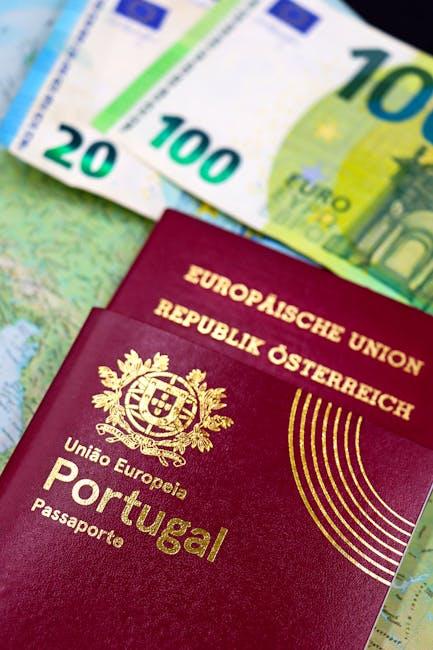
Navigating Legal Pathways and Policy Challenges
Global migration is often obstructed by a labyrinth of legal frameworks that vary dramatically between countries. Understanding these laws requires not only knowledge of the statutes but also the nuanced interpretations that shift with political tides. Immigrants and policymakers alike must navigate visa quotas, asylum regulations, and residency requirements that can often feel arbitrary or inconsistent. Key challenges include:
- Conflicting international conventions and national laws
- Lengthy and complex bureaucratic processes
- Frequent policy shifts influenced by geopolitical events
- Legal uncertainties faced by undocumented migrants
Moreover, the interface between emerging policies and human rights creates ongoing tension. Governments seek to protect their borders and economies, while advocates emphasize the rights and dignity of migrants. This dynamic produces a delicate balancing act that often plays out in courts, legislatures, and public opinion. The following table outlines how several countries approach key aspects of immigration policy:
| Country | Visa Processing Time | Asylum Acceptance Rate | Path to Citizenship |
|---|---|---|---|
| Canada | 4-6 months | 50% | 3-5 years |
| Germany | 6-9 months | 40% | 6-8 years |
| Australia | 3-5 months | 45% | 4-6 years |
| United States | 12-18 months | 30% | 5 years (with restrictions) |
Cultural Integration Beyond Borders
When individuals traverse geographical and cultural landscapes, they carry with them more than just belongings—they bring stories, traditions, and values that weave into the fabric of their new homes. This dynamic exchange sparks a continuous evolution where the merging of customs fosters innovation and mutual respect. In this delicate dance, language nuances blend into local dialects, culinary traditions intertwine at communal tables, and festivals once distant in origin become celebrated neighborhood events.
Successful integration thrives on shared experiences and openness, nurtured through:
- Community engagement that bridges generational and cultural gaps
- Educational programs that promote cultural literacy and empathy
- Intercultural dialogues which challenge stereotypes and build trust
| Aspect | Impact on Society |
|---|---|
| Artistic Fusion | New genres and styles emerging from cultural blends |
| Economic Collaboration | Diverse entrepreneurial ventures boosting local economies |
| Social Cohesion | Shared values reducing divisions and fostering unity |
Economic Impacts and Opportunities of Immigrant Communities
Immigrant communities weave vibrant economic tapestries within their new homelands, fueling innovation and driving entrepreneurial spirit. Their presence often catalyzes local economies by creating businesses that not only provide jobs but also challenge existing market norms. From tech startups in bustling urban centers to family-owned restaurants revitalizing neighborhoods, immigrants are pivotal in expanding economic diversity and resilience. This dynamic infusion leads to a more adaptive workforce, often filling critical labor gaps in sectors ranging from agriculture to information technology.
Moreover, the economic impact extends beyond direct labor contributions to include unique opportunities for cultural exchange and global connectivity. Some key benefits manifested through immigrant communities include:
- Enhanced Trade Links: Connections to countries of origin facilitate international business and export opportunities.
- Skills and Knowledge Transfer: Cross-pollination of expertise enriches innovation ecosystems and academic institutions.
- Consumer Market Growth: Diverse consumer bases stimulate demand for varied goods and services, broadening market scope.
| Economic Benefit | Impact |
|---|---|
| Entrepreneurship | Higher startup rates among immigrants boost job creation |
| Labor Market Flexibility | Fills seasonal and specialized skill gaps efficiently |
| International Networks | Connects local businesses to global markets |
Building Inclusive Societies Through Collaborative Solutions
Creating welcoming environments where diversity thrives requires more than just policy changes; it demands a tapestry woven with empathy, understanding, and proactive collaboration among communities, governments, and organizations. By encouraging open dialogues and shared responsibilities, societies can break down barriers that often alienate newcomers. Key elements that promote these efforts include:
- Community Engagement: Fostering local initiatives that celebrate cultural exchange and mentorship.
- Inclusive Education: Implementing curriculums that highlight global histories and the value of migration.
- Accessible Resources: Providing multilingual services and support networks to ease integration.
Collective action not only enriches the social fabric, but also catalyzes innovation in solving challenges associated with population mobility. Below is a snapshot of collaborative strategies and their impact levels in example communities:
| Strategy | Community Impact | Key Outcome |
|---|---|---|
| Intercultural Festivals | High | Enhanced mutual respect |
| Language Exchange Programs | Medium | Improved communication |
| Joint Housing Projects | High | Stronger neighborhood bonds |
| Policy Co-creation Workshops | Medium | Inclusive legislation |
Concluding Remarks
As borders blur and journeys intertwine, the story of global immigration reveals not just the movement of people, but the weaving of cultures, hopes, and dreams into a shared human fabric. Crossing these invisible lines challenges us to rethink identity, belonging, and the endless possibilities that arise when worlds connect. In unraveling these threads, we gain a clearer picture of a world in motion—complex, resilient, and ever-evolving—inviting us all to consider what it truly means to find home beyond the horizon.




