
In a world where borders are ever more permeable and identities increasingly layered, the phenomenon of multiple citizenship has become a fascinating testament to our interconnected age. Living with many flags—each representing a unique heritage, legal bond, and cultural narrative—offers both unprecedented opportunities and intricate challenges. This article embarks on a journey through the complex landscape of multiple citizenship, exploring how individuals navigate overlapping allegiances, the evolving notion of national belonging, and the legal and emotional tapestry woven by holding more than one passport. Welcome to the multifaceted reality of living with many flags.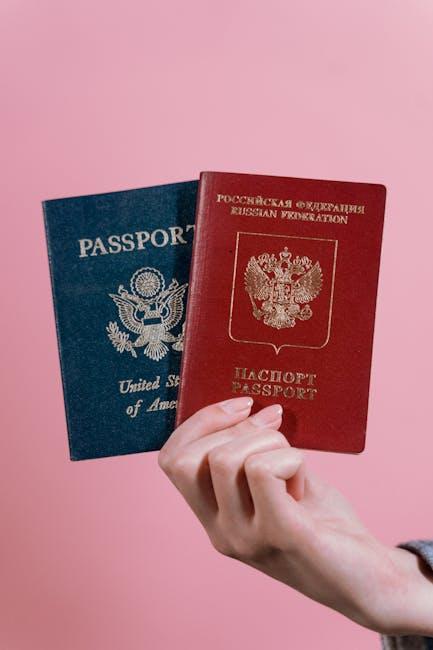
The Legal Landscape of Multiple Citizenship Explored
Navigating the realm of multiple citizenship requires more than just an understanding of national pride; it demands a keen awareness of the intricate legal frameworks each country imposes. While some nations embrace dual or multiple citizenship openly, others maintain restrictive policies that can complicate an individual’s legal standing. Issues such as tax obligations, military service, and voting rights vary significantly, making it essential for holders of multiple passports to stay informed. Key legal considerations include:
- Recognition or prohibition of dual citizenship
- Potential conflicts of law between countries
- Obligations like taxation and national service
- Impacts on diplomatic protection and legal residency
The complexity is often illustrated through legislation that may appear contradictory from the outside. For example, while Country A might allow dual citizenship without limitation, Country B may demand renouncement of former citizenship upon naturalization. Below is a simplified overview of how select countries manage multiple citizenship rights and restrictions, which serves as an essential guide for global citizens on the move.
| Country | Dual Citizenship | Taxation | Military Service |
|---|---|---|---|
| USA | Permitted | Worldwide income taxed | Selective Service (males under 26) |
| Germany | Restricted | Based on residency | Compulsory in some cases |
| Canada | Permitted | Based on residency | None |
| Japan | Generally not allowed | Based on residency | Compulsory |
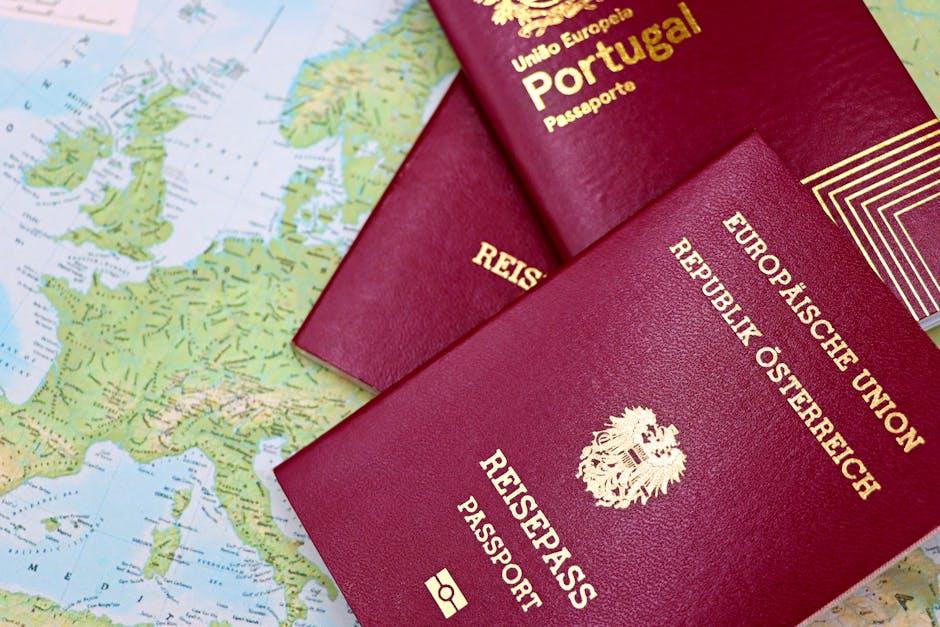
Navigating Dual Loyalties and Identity Challenges
Balancing allegiances to multiple nations often creates an internal tapestry woven with stories, memories, and obligations that don’t always align seamlessly. Individuals find themselves wearing different cultural hats depending on the social context, each one carrying its own expectations and norms. This fluid identity can lead to a profound sense of enrichment but also a perplexing tug-of-war — where loyalty is not a simple binary choice but a complex dance across borders, values, and histories. Navigating this ever-shifting landscape means embracing the ambiguity of belonging without forsaking authenticity.
The challenges faced are often subtle, yet impactful, including:
- Social pressure: Expectations from family or community to prioritize one nationality over another.
- Legal intricacies: Conflicting laws affecting taxes, voting rights, or military duties.
- Emotional strain: Feeling caught between contrasting cultural identities and traditions.
Living amidst these complexities requires not only an understanding of one’s legal obligations but also a compassionate introspection into what it means to belong to many worlds simultaneously. This journey is as much about self-discovery as it is about negotiation between personal desires and external demands.
| Challenge | Impact | Common Solution |
|---|---|---|
| Legal Conflicts | Dual taxation and citizenship rights | Consulting immigration lawyers |
| Emotional Disconnection | Feeling of not fully belonging anywhere | Cultural immersion and community bonding |
| Social Expectations | Pressure to choose one identity | Open communication with family and peers |
Tax Obligations and Financial Implications Across Borders
Navigating the financial maze that comes with holding multiple citizenships often resembles a high-stakes chess game. Each country has its own set of rules, which can affect everything from annual income declarations to inheritance taxes. It’s crucial to understand that citizenship does not exempt you from tax responsibilities, and in some cases, it can complicate even the simplest financial transactions. For example, some nations tax based on residency, others on citizenship, and a handful on both, potentially leading to overlapping obligations. This multifaceted tax landscape requires constant vigilance and keen awareness to avoid unexpected penalties or financial missteps.
When managing cross-border finances, these are key points to keep in mind:
- Double Taxation Treaties: Understanding agreements between countries that may alleviate dual tax burdens.
- Foreign Account Reporting: Obligations around declaring international bank accounts and investments.
- Currency Conversion and Exchange Rates: Fluctuations that can influence tax liabilities and income value.
| Country | Tax Based On | Reporting Requirement |
|---|---|---|
| United States | Citizenship & Residency | FBAR & FATCA |
| Canada | Residency | Worldwide Income Reporting |
| Germany | Residency | Foreign Assets Declaration |
Leveraging Multiple Passports for Global Mobility
Possessing multiple passports isn’t merely about jet-setting luxuriously across continents; it’s a strategic advantage in an increasingly interconnected world. With more options at hand, holders can navigate visa restrictions, security concerns, and unforeseen geopolitical upheavals with remarkable agility. This freedom opens up not just travel opportunities but extends to business ventures, education access, and even healthcare benefits in varied regions. Each passport serves as a key, unlocking doors that would remain closed to others confined to a single nationality.
However, the benefits only scratch the surface. Managing obligations like tax compliance, voting rights, and legal responsibilities becomes a sophisticated balancing act. Here’s a snapshot of what this complex terrain might look like:
| Passport | Travel Perks | Tax Implications | Legal Duties |
|---|---|---|---|
| Country A | Visa-free access to 150+ countries | Worldwide income tax | Mandatory military service |
| Country B | Priority consular services | Tax on local income only | Voting in national elections |
| Country C | Access to elite business hubs | Double taxation treaty in place | Renew passport every 10 years |
- Strategic Advantage: Leveraging passports to optimize global mobility and security.
- Compliance Complexity: Juggling diverse legal and financial obligations in multiple jurisdictions.
- Personal Identity: Navigating cultural ties and legal definitions of belonging.
Practical Guidance for Managing Rights and Responsibilities
Embracing multiple citizenships means juggling the legal frameworks of different countries simultaneously, each with its own set of obligations and benefits. While this may open doors to diverse cultural and economic opportunities, it also requires diligent attention to varied responsibilities—such as tax filings, mandatory military service, or voting rights. To simplify this complexity, individuals should maintain organized records of key dates, legal requirements, and government correspondence for all their citizenships.
Practical steps include establishing a system to track:
- Tax deadlines and regulations in each country to avoid penalties or double taxation.
- Passport renewals and travel restrictions linked to each nationality.
- Voting and civic duties to preserve rights and participate actively in democratic processes.
- Residency requirements that might impact citizenship retention.
| Citizenship | Common Responsibilities | Vital Tips |
|---|---|---|
| Country A | Annual tax returns, military registration | Use professional tax advisors to navigate treaties |
| Country B | Voting, passport renewal every 5 years | Set calendar reminders for elections and renewals |
| Country C | Residency requirements, civic duties | Maintain proofs of presence to avoid losing citizenship |
Final Thoughts
Navigating the intricate tapestry of multiple citizenships reveals a world where identity, opportunity, and responsibility intertwine in unexpected ways. Living with many flags is not merely a legal status—it is a delicate balancing act between cultures, allegiances, and personal histories. As borders grow more fluid and global connections deepen, the complex story of multiple citizenship continues to unfold, inviting us to rethink what it truly means to belong. In embracing this multiplicity, individuals and societies alike face both challenges and possibilities—reminding us that identity, much like the flags we carry, can be as diverse and layered as the world itself.




