
In an increasingly interconnected world, the concept of identity stretches beyond borders, inviting individuals to embrace multiple national ties simultaneously. Dual citizenship, once a rare and complex phenomenon, has become a compelling reality for millions seeking to weave together diverse cultural, legal, and economic strands of their lives. This exploration delves into the multifaceted benefits and global perspectives of holding dual citizenship—unraveling how it shapes personal freedom, opportunity, and belonging in an era defined by mobility and multiculturalism. Whether a passport to new horizons or a bridge between contrasting worlds, dual citizenship stands as a testament to the evolving nature of nationhood in the 21st century.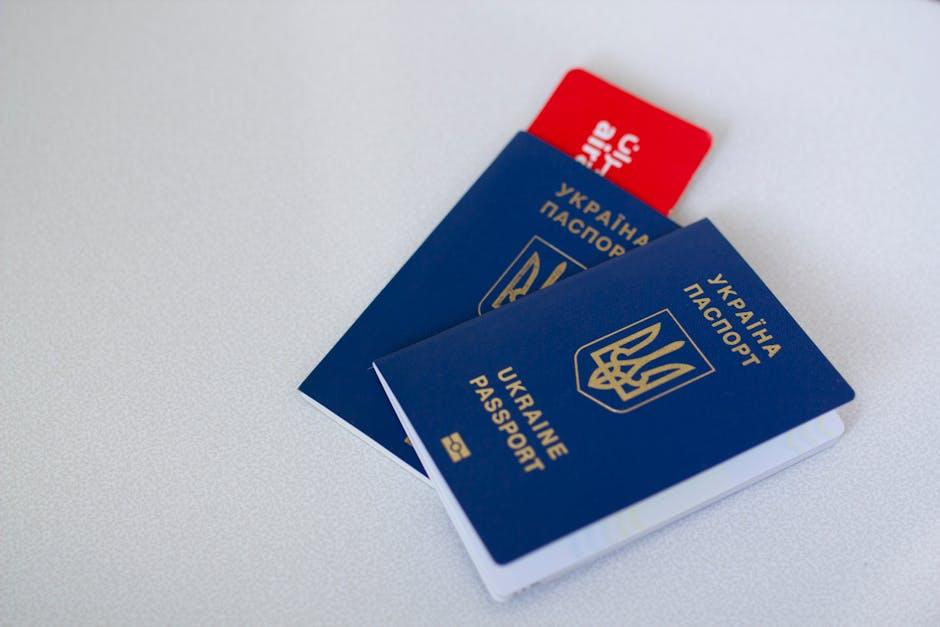
Understanding Dual Citizenship and Its Legal Frameworks
At the heart of navigating multiple national identities lies a complex network of legal frameworks. These laws differ dramatically from one country to another, often reflecting national interests, historical ties, and security concerns. Some nations embrace dual citizenship, recognizing it as a bridge for cultural exchange and global mobility. Others remain restrictive, viewing it as a challenge to national loyalty or an administrative burden. Key elements such as citizenship acquisition, loss, and the rights granted to dual nationals are meticulously defined in statutes, international treaties, and bilateral agreements. Understanding these nuances is crucial for anyone interested in embracing or studying dual nationality.
To better grasp the diversity of legal stances, consider this simplified overview of how select countries approach dual citizenship:
| Country | Dual Citizenship Status | Notable Condition |
|---|---|---|
| Canada | Allowed | No loss upon acquiring foreign citizenship |
| Japan | Restricted | Must choose one by age 22 |
| Germany | Allowed with restrictions | Requires government permission |
| Brazil | Allowed | Citizenship by descent and naturalization |
- Legal consequences may include dual taxation or military service obligations.
- Rights and privileges such as voting or access to social benefits can vary for dual citizens.
- International complexities arise in cross-border legal issues like inheritance and diplomatic assistance.

The Economic and Social Advantages of Holding Dual Citizenship
Embracing dual citizenship opens doors to a world of economic opportunities rarely accessible to single nationals. Individuals with citizenship in two countries can leverage diverse labor markets, tap into international business networks, and benefit from favorable tax treaties—often turning dual citizenship into a strategic asset for career growth and financial mobility. Access to multiple banking systems and investment opportunities further enhances their ability to diversify and protect assets globally, fostering resilience against economic fluctuations in any one country.
Beyond economics, the social benefits are equally transformative. Dual citizens often enjoy enriched cultural experiences and broader community connections, fostering greater empathy and understanding across borders. This status can provide enhanced access to social services, education, and healthcare in both countries, promoting a higher quality of life. Additionally, the ability to participate civically in two nations—from voting rights to cultural contributions—strengthens a sense of belonging and identity in an increasingly interconnected world.
- Economic Advantages: Expanded job markets, diversified investments, multiple banking systems
- Social Advantages: Cross-cultural networks, dual social benefits, civic engagement
- Global Mobility: Simplified travel, visa-free access to more countries
| Benefit | Example | Impact |
|---|---|---|
| Work Flexibility | Ability to work in EU & U.S. | Broader career prospects |
| Education Access | Reduced tuition for residents | Affordability & wider choices |
| Voting Rights | Participate in two elections | Greater civic influence |
Navigating Challenges and Responsibilities in Dual Nationality
Holding dual nationality often means balancing a complex web of legal and personal responsibilities. Beyond the obvious advantages, such as expanded travel and work opportunities, dual citizens must remain vigilant about complying with the laws of two distinct countries, which can sometimes conflict. For instance, tax obligations might require filing returns in both nations, and military service requirements can present unexpected challenges. Understanding these nuances and proactively managing paperwork and deadlines is essential to avoid penalties or loss of citizenship rights.
Moreover, dual nationality can introduce unique social and emotional dynamics. Maintaining cultural ties while fostering connections in both countries calls for delicate navigation, especially when these countries have strained relations or differing political ideologies. The following list highlights some common responsibilities dual nationals face:
- Filing taxes in both countries (where applicable)
- Adhering to military or civil service requirements
- Voting and political participation obligations
- Respecting dual citizenship laws, which may differ significantly
- Managing travel restrictions and passport regulations
| Responsibility | Potential Challenge |
|---|---|
| Tax Filing | Double taxation without bilateral agreements |
| Military Service | Conflicting conscription laws |
| Voting Rights | Obligations in national elections |
| Passport Use | Entry/exit regulations varying by country |
Global Perspectives on Dual Citizenship Policies and Trends
Across the globe, dual citizenship policies vary widely, shaped by historical, political, and cultural factors. Some countries, like Canada and Australia, embrace dual citizenship with open arms, recognizing the benefits of fostering global connections and encouraging economic contributions from diaspora communities. Others, such as Japan and China, maintain stricter regulations, often requiring individuals to renounce previous nationalities as a demonstration of full allegiance. This diversity reflects broader national attitudes towards identity, security, and migration. In many regions, evolving global mobility and increasing transnational families are driving governments to reconsider traditional stances, paving the way for more inclusive citizenship frameworks.
Understanding these variations is key for individuals navigating dual citizenship options. Here’s a snapshot of how different regions approach dual citizenship:
- Europe: Many countries encourage dual citizenship within the EU, facilitating freedom of movement and employment.
- Americas: Nations tend to be flexible, often allowing multiple citizenships to strengthen diaspora ties.
- Asia: Policies lean more restrictive, with citizenship often tied strongly to cultural and national identity.
- Africa: Growing acceptance in some countries is emerging alongside efforts to integrate global citizens into national development.
| Region | Example Country | Dual Citizenship Policy | Key Factors |
|---|---|---|---|
| Europe | Germany | Conditional allowance | EU integration, cultural identity |
| Americas | Brazil | Permissive | Strong diaspora ties |
| Asia | Japan | Generally restrictive | National loyalty |
| Africa | South Africa | Increasingly permissive | Development focus |
Practical Tips for Securing and Maintaining Dual Citizenship Effectively
Stay informed and organized by regularly reviewing the citizenship laws and regulations of both countries you belong to. Dual citizenship laws can evolve, affecting your rights and responsibilities. Create a dedicated file—either digital or physical—where you can keep essential documents such as passports, birth certificates, and naturalization papers safe and easily accessible. Utilize reminder systems for renewal dates to prevent unintentional loss of status or travel complications.
Consider these actionable strategies to maintain your status seamlessly:
- File taxes on time with both countries, if applicable, to avoid penalties or legal issues.
- Respect residency requirements; some countries demand periods of physical presence to keep citizenship valid.
- Stay informed about voting rights and participation opportunities in each nation, enhancing your civic engagement.
Here’s a quick guide to keep track of your key maintenance duties:
| Responsibility | Frequency | Tip |
|---|---|---|
| Passport Renewal | Every 5–10 years | Set calendar alerts 6 months before expiry |
| Tax Filing | Annually | Consult tax experts familiar with dual citizenship |
| Residency Check | Annually | Maintain evidence of stays in both countries |
To Wrap It Up
In a world increasingly defined by interconnectedness and movement across borders, dual citizenship emerges as more than a legal status—it is a bridge between cultures, opportunities, and identities. While its benefits offer tangible advantages in travel, work, and personal freedom, the complexities and responsibilities it entails invite thoughtful consideration. Exploring global perspectives reveals not only the diversity in how nations approach dual citizenship but also the evolving nature of citizenship itself in a globalized era. As you reflect on the possibilities and challenges, one thing becomes clear: dual citizenship is a doorway to a multifaceted life, inviting us to navigate the delicate balance between belonging and embracing the vast tapestry of our shared world.




