
In a world increasingly interconnected yet fiercely divided by lines on maps, living between borders has become more than just a metaphor—it’s a reality for millions. Dual nationality, the legal embodiment of this borderless existence, offers a unique blend of opportunities and challenges. It promises the enrichment of two cultures, access to multiple rights, and the freedom to navigate diverse landscapes. Yet, it also brings complexities in identity, legal obligations, and allegiance. This article explores the intricate dance of living with dual nationality, weighing its promising advantages alongside the potential pitfalls, and inviting readers to consider what it truly means to belong to two worlds at once.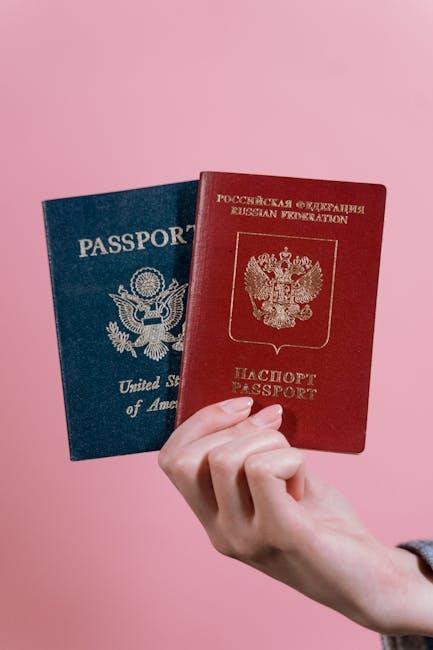
Understanding Dual Nationality Through Personal Stories
Maria, born to an Italian mother and a Brazilian father, often shares how her identity is a vibrant blend of two distinct cultures. She cherishes celebrating Carnival in Rio and savoring homemade pasta with her family during Christmas in Rome. Yet, her dual nationality also means navigating complex bureaucracies. From renewing passports to filing taxes in two countries, she constantly juggles responsibilities that sometimes feel overwhelming but also profoundly enriching.
Similarly, Jamal’s story highlights both freedom and frustration. Holding citizenship in both Canada and Morocco, he enjoys seamless travel and diverse educational opportunities. However, he also faces unavoidable challenges such as mandatory military service obligations and occasional questions about loyalty. His experience reveals that living with dual nationality is not just about legal papers but an ongoing dance of balancing love, duty, and identity.
- Advantages: broadened cultural perspective, expanded career options, travel flexibility
- Challenges: bureaucratic complexities, dual taxation, conflicting legal duties
| Aspect | Benefit | Drawback |
|---|---|---|
| Identity | Rich cultural fusion | Questions of belonging |
| Legal status | Access to rights in two countries | Complicated paperwork |
| Travel | Ease of movement | Visa restrictions to navigate |
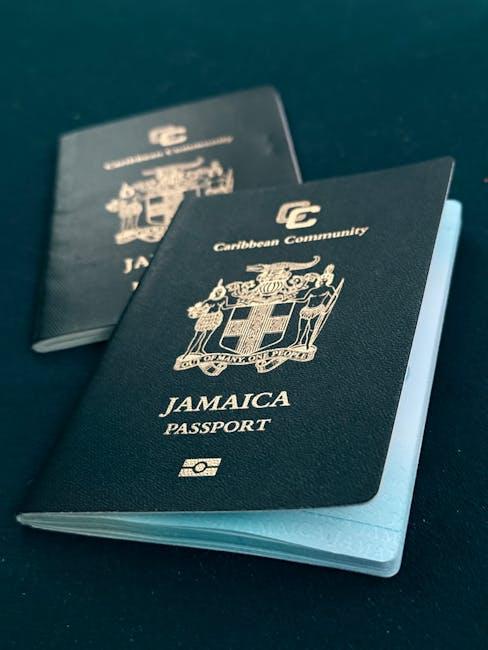
Navigating Legal Complexities and Civic Responsibilities
Understanding the legal maze that envelops dual nationality is essential for anyone embracing this unique status. It means juggling two sets of laws, often with conflicting requirements. Dual nationals must stay vigilant about *tax obligations, property rights,* and *inheritance laws,* which can vary significantly between countries. While one nation may offer favorable tax treatments, the other might impose stricter rules, requiring careful planning and professional advice to avoid penalties and unwanted legal entanglements.
Furthermore, civic duties become a balancing act. Holding allegiance to two countries means double responsibility in certain scenarios, such as mandatory military service or mandatory voting obligations. Here’s a quick glimpse at some common challenges faced:
- Military conscription: Possible call-up by one or both countries.
- Voting rights: Managing elections in two nations, understanding different legal frameworks.
- Diplomatic protection: Limited in certain territories if both nationalities are claimed.
- Legal conflicts: Navigating when the laws of one country contradict the other.
| Country | Tax Filing Requirement | Military Service |
|---|---|---|
| Country A | Annual, worldwide income | Mandatory, 12 months |
| Country B | Only local income | Exempt for dual nationals |
Weighing Economic and Social Advantages Across Nations
Economic advantages of holding dual nationality often manifest through expanded employment opportunities and streamlined business operations across borders. Individuals enjoy the liberty to engage in commerce, invest, and access social welfare programs in two distinct markets. This dual access can bolster financial security and entrepreneurial growth, especially in interconnected economies where workers and capital flow effortlessly. However, navigating tax obligations and financial regulations can become a complex challenge, as each country maintains its own system that may overlap or conflict.
On the social side, dual nationality enriches cultural experiences and fosters broadened worldviews. Citizens bridge language barriers, tap into diverse educational systems, and maintain familial ties without stringent visa requirements. This often leads to enhanced social networks and a unique hybrid identity that thrives within multicultural communities. Nonetheless, the psychological tug between national loyalties and the risk of social exclusion or identity confusion can weigh heavily on some, making the social balance delicate and deeply personal.
| Aspect | Economic Advantage | Social Advantage |
|---|---|---|
| Employment | Work in two countries freely | Access to wider professional networks |
| Business | Cross-border investments easier | Cultural fluency improves market reach |
| Benefits | Dual access to social services | Stronger sense of belonging |
Addressing Challenges of Identity and Belonging
Individuals navigating dual nationality often encounter a unique web of emotional and cultural complexities. Feeling split between two home countries can lead to an enduring quest for belonging, where neither identity fully satisfies personal or societal expectations. This balancing act may evoke a sense of isolation or cultural dissonance, especially when traditions, values, or political landscapes clash. Challenges such as language barriers, contrasting social norms, and varying senses of patriotism can deepen this divide, complicating relationships with family, friends, and community members in both national contexts.
However, these challenges are not without opportunity. Dual nationals frequently develop remarkable adaptability and cross-cultural empathy, skills that enrich personal identity and social connections. They learn to weave together diverse narratives of self, creating a more fluid and multifaceted sense of belonging. Below is a simple overview of emotional dynamics often experienced by dual nationals:
| Emotion | Common Triggers | Potential Outcomes |
|---|---|---|
| Ambivalence | Conflicting Loyalties | Heightened Self-Reflection |
| Alienation | Cultural Misunderstandings | Seeking New Communities |
| Pride | Dual Heritage Celebrations | Enhanced Cultural Identity |
| Confusion | Inconsistent Legal or Social Norms | Broadened Perspective |
Practical Tips for Managing Dual Nationality with Confidence
Embracing dual nationality is an enriching journey, but it often requires strategic planning to navigate the complexities it presents. One key approach is to maintain organized documentation—keeping passports, visas, and residency permits up to date prevents unexpected travel hiccups. Regularly consult both countries’ official websites or embassies to stay informed of any changes in citizenship laws or tax obligations. Additionally, leveraging digital tools like multi-currency banking apps and international health insurance can streamline your daily life, bridging the logistical gaps between two nations effortlessly.
Building a reliable support network is equally essential; connect with expat communities, cultural organizations, or legal advisors familiar with dual citizenship challenges. This helps you stay grounded and informed, fostering confidence in decision-making. Consider these practical habits to ensure smooth management:
- Maintain clear financial records for each country to avoid legal issues and simplify tax filing.
- Invest time in language skills to deepen your cultural ties and improve communication.
- Respect both countries’ regulations—understanding your rights and responsibilities is crucial.
| Tip | Benefit |
|---|---|
| Centralized Document Folder | Quick access in emergencies |
| Regular Legal Checkups | Stay compliant with laws |
| Cultural Engagement | Stronger community ties |
In Conclusion
Living between borders, where identities weave and intertwine, dual nationality offers a unique lens through which to view the world. It is a bridge that can connect cultures, opportunities, and experiences, yet also a complex path laced with legal challenges and emotional balancing acts. Ultimately, whether this dual existence is a gift or a burden depends on the individual’s journey—and their ability to navigate the spaces in between. In embracing both sides, they craft a story that is richer, more layered, and profoundly reflective of a globalized age.




