
In an increasingly interconnected world, the value of a passport extends far beyond mere identification—it is a key that unlocks doors to new horizons, opportunities, and freedom. Among the various pathways to acquiring or enhancing citizenship, real estate investment has emerged as a compelling and strategic avenue. This innovative approach not only opens gateways to diverse cultures and thriving economies but also redefines the concept of property ownership as a bridge to global mobility. In this article, we explore how investing in real estate can unlock passports, unraveling the intricate relationship between property markets and citizenship programs worldwide.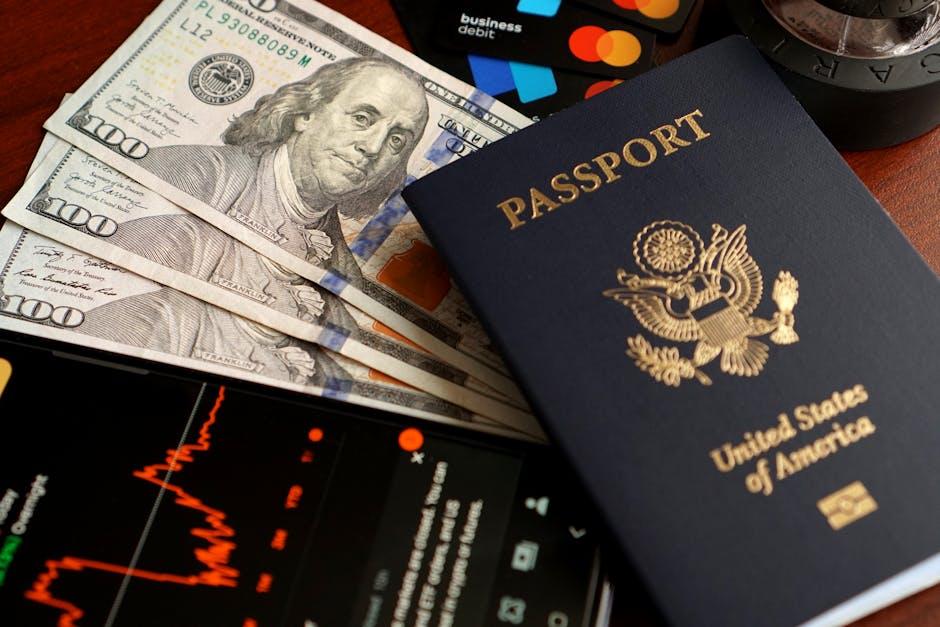
Unlocking Global Mobility Through Real Estate Investment
In today’s interconnected world, acquiring a second passport through real estate investment is more than just a financial strategy—it’s a gateway to unparalleled global freedom. By channeling funds into promising property markets, investors can unlock citizenship opportunities that offer visa-free travel, tax benefits, and enhanced personal security. This innovative path transforms bricks and mortar into a passport that transcends borders, empowering individuals to explore new horizons with ease.
Key advantages of leveraging real estate investments for citizenship include:
- Accelerated residency processing times
- Access to diverse education and healthcare systems
- Eligibility for multiple citizenship benefits without renouncing original nationality
- Potential for long-term real estate appreciation alongside citizenship gains
| Country | Minimum Investment | Visa-Free Destinations | Processing Time |
|---|---|---|---|
| Portugal | €500,000 | 185+ | 6-12 months |
| Dominica | $200,000 | 140+ | 3-4 months |
| Turkey | $400,000 | 110+ | 3-6 months |

Navigating Residency and Citizenship Programs with Property Purchases
Investing in real estate has emerged as a strategic gateway to obtaining residency and citizenship in various countries around the globe. Many governments have tailored their immigration policies to attract foreign investors by linking property purchases to immigration benefits. This approach not only stimulates local economies but also offers investors a streamlined route to secure legal residency. When navigating these programs, it is crucial to understand the specific investment thresholds, eligibility criteria, and the scope of benefits, which can vary widely from one country to another.
Before diving in, consider these essential factors:
- Investment Amount: Different countries set different minimum thresholds for real estate investment to qualify for their programs, ranging from modest to multi-million dollar requirements.
- Property Type: Eligibility may depend on whether the property is residential, commercial, or land, each carrying unique conditions.
- Processing Time: The duration between investment and receiving residency or citizenship can vary, influencing your planning strategy.
- Tax Implications: Understand how owning property abroad affects your tax obligations both locally and internationally.
| Country | Minimum Investment | Residency Processing Time | Citizenship Eligibility |
|---|---|---|---|
| Portugal | €280,000 | 3-6 months | After 5 years |
| Greece | €250,000 | 2-4 months | After 7 years |
| Malta | €320,000 | 4-6 months | After 1 year (fast-track) |
Key Markets Offering the Most Valuable Real Estate Passport Benefits
When considering real estate investment as a gateway to global mobility and economic opportunity, certain destinations stand out for their strategic advantages. Countries like Portugal, Turkey, and the United Arab Emirates offer not only luxurious properties but also pathways to citizenship or residency with remarkable ease. Investors benefit from a blend of political stability, growing real estate markets, and generous travel freedoms, making these locales prime choices for those seeking to harness the power of second citizenship. Coastal cities, historic urban centers, and emerging business hubs provide diverse portfolios, aligning with various investment goals from vacation homes to commercial ventures.
These markets distinguish themselves through a combination of attractive fiscal incentives and the promise of more than just a property purchase. For instance, in some regions, programs allow investors to gain visa-free access to over 150 countries, while others offer lucrative tax advantages and robust legal protections. Consider the following unique traits of leading real estate passport markets:
- Portugal: Golden Visa program facilitating access to the Schengen Area.
- Turkey: Fast-track citizenship with affordable investment thresholds.
- United Arab Emirates: Residency options through property ownership in key emirates.
| Country | Investment Minimum | Visa-Free Travel | Processing Time |
|---|---|---|---|
| Portugal | €280,000 | 185+ countries | 6-12 months |
| Turkey | $250,000 | 110+ countries | 3-6 months |
| UAE (Dubai) | Approx. $270,000 | 160+ countries | Immediate (residency) |
Strategic Investment Tips for Maximizing Passport Opportunities
When navigating the world of real estate for passport acquisition, identifying markets with stable political climates and strong economic fundamentals is crucial. These factors ensure your investment appreciates over time while providing a smooth path to citizenship. Diversify your portfolio by considering properties in emerging yet promising regions where governments actively encourage foreign investors through citizenship-by-investment programs. Understanding local regulations and tax implications can prevent costly pitfalls and expedite the acquisition process. Partnering with experienced legal advisors who specialize in immigration and property law can further streamline your journey.
Strategize your investment with a focus on properties that offer dual functionality—residential comfort combined with long-term rental potential. This approach not only satisfies passport program requirements but also generates a continuous income stream. Consider these key criteria:
- Location: Proximity to urban hubs and amenities.
- Market Demand: Areas with growing expatriate communities.
- Property Type: Apartments, villas, or mixed-use developments.
- Government Thresholds: Minimum investment values set by citizenship programs.
| Country | Minimum Investment | Processing Time |
|---|---|---|
| Malta | €250,000 | 12-14 months |
| Portugal | €280,000 | 6-9 months |
| Dominica | US $200,000 | 3-4 months |
Legal Considerations and Due Diligence in Real Estate Citizenship Deals
Investing in real estate as a pathway to citizenship is not just about financial input—it’s a process laden with legal intricacies that demand thorough attention. Every country has unique regulations governing property acquisition by foreigners, and navigating these laws requires expert legal counsel. From residency requirements to tax implications and ownership rights, understanding each layer before committing funds safeguards investors from unexpected pitfalls. Prioritizing due diligence means examining property titles, verifying developer credentials, and ensuring compliance with local government stipulations to protect both the investment and the citizenship application.
Moreover, the transactional transparency in these deals is paramount. Engaging with reliable agents and conducting meticulous background checks can unveil red flags like ownership disputes or incomplete permits. Investors should push for a clear breakdown of associated costs and timelines to avoid surprises after closing. Below is a quick checklist highlighting vital areas of due diligence in citizenship-by-investment real estate deals:
- Verification of Property Title and legal ownership
- Compliance with immigration and real estate laws
- Developer Reputation and past project delivery record
- Transparent Fee Structures, taxes, and hidden costs
- Residency and Physical Stay Requirements
In Retrospect
In the ever-evolving landscape of global mobility, real estate investment has emerged as a powerful key—unlocking passports and opening doors to new opportunities. Beyond the bricks and mortar, it’s a gateway to freedom, security, and adventure, offering individuals the chance to rewrite their stories on an international stage. As borders shift and economies fluctuate, the intersection of property and citizenship becomes more than a financial strategy; it’s a testament to the transformative power of investment, enabling dreams to take flight across the world.




