
In an era where the world feels simultaneously vast and interconnected, the concept of borders is evolving at an unprecedented pace. Travel, once bound by rigid national lines and cumbersome paperwork, is now being transformed by the emergence of global passports—documents that promise to redefine the way we cross boundaries. This article explores the rise of these innovative travel credentials, delving into how they aim to unlock borders and foster a new age of seamless mobility. As global passports gain traction, they challenge traditional notions of identity and sovereignty, opening doors to a future where the world may become truly borderless.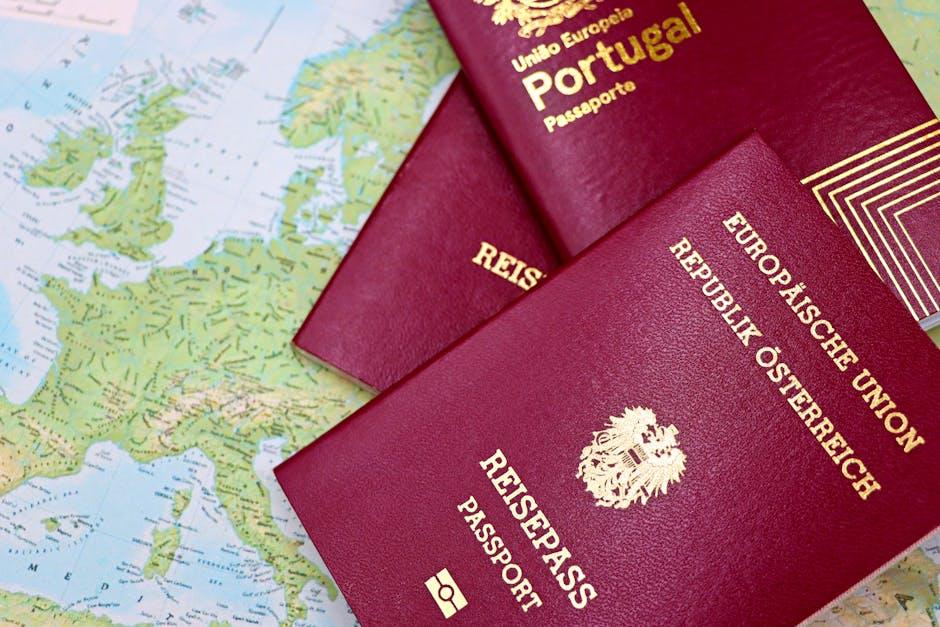
The Evolution of Global Passports and Their Impact on International Mobility
The concept of travel documents has undergone a remarkable transformation from simple identification papers to sophisticated global passports that transcend borders. These passports now not only serve as proof of identity but also act as powerful symbols of international cooperation and personal freedom. Historically, travel was restricted and cumbersome, requiring numerous visas and permits. Today, the emergence of global passport systems, entwined with technology and diplomacy, has redefined international mobility. These documents facilitate seamless travel, enabling individuals to explore more countries with fewer obstacles, supporting the rise of global nomadism and intercultural exchange.
Key milestones shaping this evolution include:
- Introduction of biometric passports, enhancing security and identity verification.
- Growth of visa-free and visa-on-arrival agreements between nations.
- Development of regional passport frameworks, such as the European Union’s Schengen passport model.
- Integration of digital platforms for real-time data sharing among border authorities.
| Year | Passport Innovation | Impact on Travelers |
|---|---|---|
| 1920s | Standardized Passport Design | Unified document formats |
| 1980s | Machine-readable Passports | Faster border processing |
| 2006 | Biometric Passports | Enhanced security and fraud prevention |
| 2020s | Digital and E-passports | Contactless and seamless crossing |
As the world becomes increasingly interconnected, global passports are reshaping the landscape of international travel. They support not only ease of movement but also fuel economic growth and cultural diplomacy. However, access to these advanced passports and the benefits they confer remains unevenly distributed, highlighting ongoing challenges related to global equity and security. The trajectory of passport innovation continues to balance the promise of open borders with the realities of geopolitical dynamics, crafting a future where travel is both more accessible and more secure.

Navigating the Benefits and Challenges of Unified Travel Documents
Embracing a unified travel document offers a groundbreaking shift in how we cross borders. The convenience of carrying a single credential streamlines airport procedures and reduces the anxiety that stems from managing multiple visas or permits. Travelers can enjoy accelerated processing times, seamless identity verification, and a more coherent travel experience overall. However, this innovation also beckons complex challenges that governments and organizations must carefully address to uphold privacy and security concerns. The intricate balancing act between efficiency and safeguarding personal data remains a pivotal factor in the successful global adoption of such documents.
Beyond logistics, the implications ripple out to diplomatic and economic arenas as well. Countries must negotiate frameworks that honor diverse legal systems while fostering mutual trust in shared technologies. Issues like biometric data standardization and interoperability could either pave the way for remarkable international collaboration or become stumbling blocks laden with bureaucratic hurdles. Consider the following factors influencing this evolving travel paradigm:
- Data Security – Protecting travelers from identity theft and misuse.
- Technological Integration – Compatibility with existing national systems.
- Legal Jurisdictions – Harmonizing laws across borders.
- Accessibility – Ensuring equitable issuance worldwide.
| Benefit | Challenge |
|---|---|
| Faster border crossings | Privacy concerns |
| Reduced paperwork | Legal harmonization |
| Global travel ease | Cybersecurity threats |
| Lower travel costs | Technological dependency |
How Global Passports Enhance Security While Simplifying Border Control
With the advent of global passports, border security agencies now have an unprecedented weapon in the fight against illegal entry and identity fraud. These passports incorporate advanced biometric data such as fingerprints, iris scans, and facial recognition, making it near-impossible for counterfeiters to forge or manipulate travel documents. By linking travelers’ identities to a secure digital profile, authorities can quickly verify authenticity, reducing the chances of unauthorized access while maintaining swift processing times at checkpoints.
Beyond enhancing security, these unified documents streamline the border crossing experience for travelers and officials alike. Integration with international databases allows for real-time risk assessment and automated screening, decreasing congestion during peak travel seasons. The efficiency gains are further highlighted in the table below:
| Aspect | Traditional Passport | Global Passport |
|---|---|---|
| Verification Speed | Manual, minutes per traveler | Automated, seconds per traveler |
| Fraud Detection | Relies on visual inspection | Biometric & database cross-checks |
| Border Congestion | High during peak hours | Significantly reduced |
| Traveler Convenience | Multiple visas needed | Single seamless document |
- Enhanced Identity Verification: Biometric data securely embedded to minimize forgery.
- Centralized Data Access: Real-time communication between international border agencies.
- Simplified Documentation: Reduction in paperwork facilitates swift customs clearance.
Strategies for Governments and Travelers to Embrace the New Passport Paradigm
Governments hold the key to a seamless borderless experience by investing in advanced biometric authentication and interoperable digital identification systems. Creating standardized protocols that unify travel documentation across countries will reduce friction and enhance security, fostering trust among nations and travelers alike. Additionally, fostering public-private partnerships can accelerate innovation, allowing government agencies to integrate cutting-edge technologies like blockchain and AI-driven identity verification into their passport infrastructure.
For travelers, embracing this paradigm shift means adapting to new digital tools and maintaining a proactive stance on data privacy. Utilizing mobile apps that consolidate travel documents and provide real-time updates on entry requirements can simplify the journey. Being tech-savvy also involves practicing digital hygiene, such as safeguarding personal data and understanding how global passports function within international frameworks. Here’s a quick checklist to maximize your benefits in this evolving travel landscape:
- Keep digital copies of all identity documents securely backed up.
- Regularly update travel apps endorsed by reputable authorities.
- Stay informed about varying entry policies enhanced by global passport technologies.
- Prioritize data privacy by using encrypted networks during travel.
Preparing for the Future: Recommendations for a Seamless Global Travel Experience
To navigate the complexities of an increasingly interconnected world, travelers must embrace proactive strategies that enhance flexibility and security. Digital readiness is paramount; ensuring that all travel documents, such as passports and visas, are updated in digital formats can expedite border crossings and alleviate common delays. Furthermore, understanding evolving international health and safety protocols will empower globetrotters to adapt seamlessly. Consider adopting advanced tools like biometric verification apps and mobile travel wallets that consolidate all essential documents, thereby minimizing dependence on physical papers.
Equally important is cultivating a mindset geared towards cultural awareness and adaptability. Establishing a baseline knowledge of local customs and regulations not only fosters mutual respect but also facilitates smoother interactions at checkpoints and while exploring new destinations. Travelers are encouraged to:
- Regularly monitor travel advisories and government updates.
- Participate in global forums to share insights on border policies.
- Invest in travel insurance that covers unforeseen geopolitical changes.
Below is a quick guide comparing key features of traditional passports and emerging global travel documents:
| Feature | Traditional Passport | Global Travel Document |
|---|---|---|
| Validity | 5-10 years | Dynamic, renewable remotely |
| Verification | Manual, physical inspection | Automated biometric & blockchain |
| Access | Country-specific visa requirements | Streamlined multi-national approvals |
| Security | Susceptible to forgery | Encrypted with real-time updates |
Future Outlook
As the world inches closer to seamless connectivity, global passports stand as more than mere travel documents—they are symbols of a new era where borders blur and possibilities multiply. Unlocking borders is no longer a distant dream but an unfolding reality, inviting us all to reimagine what it means to journey, to belong, and to explore without limits. In this evolving landscape, the rise of global passports challenges us to embrace a future where the world feels both vast and intimately within reach.




