
In a world woven ever tighter by borders that both divide and unite, the phenomenon of double nationality emerges as a fascinating testament to modern identity. Holding two passports is more than a bureaucratic convenience—it is a living narrative of belonging, opportunity, and complexity. “Two Passports, One Identity” invites you to journey beyond the official stamps and legal definitions, exploring how double nationality shapes personal stories, challenges societal norms, and reflects the evolving nature of citizenship in an interconnected age.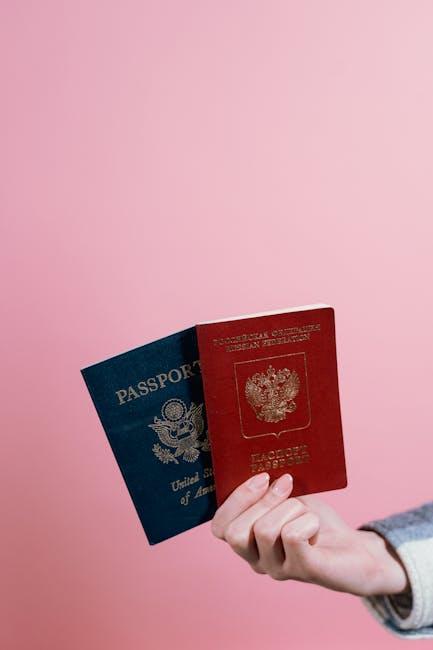
Understanding the Legal Landscape of Dual Citizenship
In the complex web of citizenship laws, dual nationality exists as both a privilege and a puzzle. Each country imposes its own rules on whether and how dual citizenship is recognized, often reflecting historical ties, security concerns, and diplomatic policies. Some nations wholeheartedly embrace the notion, allowing individuals to enjoy the full rights and responsibilities of multiple citizenships, while others impose restrictions—sometimes requiring citizens to choose one nationality upon reaching adulthood or barring dual allegiance altogether.
Key legal considerations often surface around:
- Tax obligations: Dual citizens might face filing requirements in more than one country.
- Military service: Certain countries enforce compulsory conscription, which can complicate matters for individuals holding another nationality.
- Property ownership and inheritance: Ownership rights can vary dramatically depending on citizenship status.
- Political participation: Voting rights and eligibility for public office may be restricted based on dual citizenship legality.
| Country | Dual Citizenship Status | Unique Legal Note |
|---|---|---|
| Canada | Permitted | Allows full political rights regardless of multiple citizenships |
| Japan | Restricted | Requires choice of nationality before age 22 |
| Germany | Limited | Dual citizenship allowed under EU exceptions or special cases |
Navigating the Benefits and Challenges of Holding Two Passports
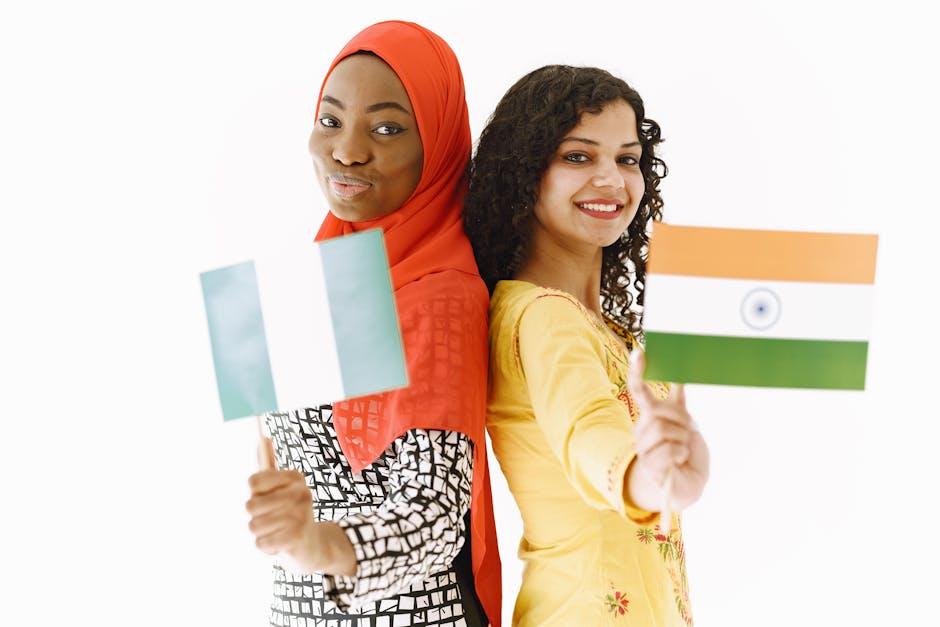
Holding dual citizenship opens a gateway to a vibrant world of opportunities. From seamless travel across borders without the constant chase for visas, to access to diverse job markets and education systems, the advantages are plentiful. A dual passport holder can enjoy political rights in two nations, embrace cultural diversity more intimately, and often benefit from greater security amid global uncertainties. The blend of identities can enrich personal growth and expand professional horizons, allowing individuals to build bridges between communities and continents.
Yet, the dual-life path is not without its hurdles. Navigating legal obligations can be complex—such as tax responsibilities, military service requirements, and potential conflicts between the laws of two countries. Managing two passports might also raise questions of allegiance, sometimes complicating diplomatic protections abroad. Here’s a glimpse into common challenges:
- Tax Complexity: Double taxation agreements must be carefully evaluated.
- Legal Conflicts: Contrasting citizenship laws can lead to unexpected obligations.
- Travel Restrictions: Some countries may restrict or scrutinize dual nationals.
- Identity Dilemmas: Balancing two legal identities may affect social and political perceptions.
Cultural Connections and Identity in a Globalized World
Living with dual nationality is more than just holding two passports; it’s an intimate dance between cultures that shapes one’s sense of self. For many, this duality creates a unique fusion of traditions, languages, and values, offering a richer worldview. Navigating between contrasting customs allows individuals to embrace complexity, weaving together diverse histories into a singular identity that defies borders. This fluid cultural landscape encourages adaptability and fosters empathy, as those with double nationality often become cultural ambassadors bridging gaps between communities.
Key facets of cultural connections experienced by those with dual nationality include:
- Multilingual fluency: effortlessly switching communication styles to suit different social contexts.
- Celebration of hybrid traditions: combining holidays or rituals from both cultures into personal celebrations.
- Sense of belonging: finding home in multiple places simultaneously, transcending physical geography.
- Challenges of identity: balancing external perceptions and internal realities amidst sometimes conflicting expectations.
| Aspect | Benefit | Challenge |
|---|---|---|
| Cultural Expression | Rich diversity in personal rituals | Feeling torn between cultures |
| Social Networks | Broadened community connections | Occasional sense of exclusion |
| Language Use | Enhanced communication skills | Pressure to master multiple languages |
In a rapidly globalizing world, these intertwined identities serve as powerful reminders that our sense of self isn’t fixed but a dynamic tapestry. Embracing this multiplicity not only enriches personal experience but also contributes to building empathetic, multicultural societies.
Practical Tips for Managing Responsibilities Across Borders
Balancing obligations in multiple countries requires a strategic approach to stay organized and effective. First, establish clear communication channels with all involved parties, whether family members, employers, or government agencies. Utilize digital tools like shared calendars and cloud storage to keep track of important deadlines such as visa renewals, tax filings, and cultural events. Being proactive in understanding the legal nuances of each country can save you from unexpected complications—research residency requirements, healthcare access, and voting rights linked to each nationality. Adaptability and meticulous planning become your best allies.
Creating a systemized overview of your responsibilities across borders can simplify decision-making and reduce stress. Consider maintaining a quarterly checklist, divided by country and category (legal, financial, social), which can be referenced easily before making travels or major life decisions. Here’s a practical layout to get started:
| Category | Country A | Country B |
|---|---|---|
| Visa & Residency | Renew by April | Apply by June |
| Taxes | File in March | Declare in August |
| Healthcare | Annual check-up | Register for care |
| Voting | Register online | Notify embassy |
Future Trends and Policy Considerations in Double Nationality
As globalization continues to dissolve traditional borders, the concept of holding two passports is evolving, presenting a complex array of opportunities and challenges. Future developments are likely to emphasize increased acceptance of dual citizenship, especially as more individuals seek to maintain strong cultural and economic ties across nations. Governments may need to craft nuanced policies that balance national security concerns with the benefits of fostering an inclusive, interconnected citizenry. Expect to see trends such as streamlined naturalization processes for second citizenships and expanded rights that bridge gaps between dual nationals and single-citizenship holders.
- Enhanced cross-border mobility via simplified visa-free travel agreements
- Digital identity management leveraging blockchain to verify dual nationality status
- Taxation and legal clarity to avoid double taxation or conflicting obligations
From a policy perspective, lawmakers face the delicate task of crafting frameworks that protect sovereignty while embracing the fluidity of modern identity. There is a growing need for international cooperation to standardize how dual citizenship is recognized and regulated, reducing legal ambiguities. At the same time, ethical considerations around allegiance, civic responsibility, and access to social services prompt a re-examination of what citizenship truly means in a globalized era. Policies will likely focus on equitable rights for dual nationals and mechanisms to prevent exploitation of nationality laws, ensuring that having two passports does not become a loophole but rather a bridge between cultures.
| Trend | Policy Focus | Potential Impact |
|---|---|---|
| Digital Citizenship Verification | Secure identity systems | Faster access & fraud reduction |
| Unified Tax Regulations | Avoid double taxation | Fair economic responsibilities |
| Cross-border Voting Rights | Political inclusion | Broader democratic participation |
Wrapping Up
In the intricate dance of borders and belonging, holding two passports is more than a bureaucratic reality—it is a living testament to the fluidity of identity in our interconnected world. Double nationality challenges the traditional narratives of singular allegiance and invites us to rethink what it means to belong. As we navigate this evolving landscape, we are reminded that identity is not a fixed destination, but a journey woven from diverse cultures, experiences, and stories. Whether seen as a bridge or a balancing act, dual citizenship ultimately reflects the complex, beautiful tapestry of human connection beyond borders.




