
In an age where the world’s borders often seem both impermeable and endlessly shifting, a growing number of individuals find themselves navigating life not within a single nation, but straddling multiple. Multiple citizenship, once a rarity, is becoming an increasingly common reality—offering both opportunities and challenges that transcend geography. Living between borders means more than just holding multiple passports; it is an experience that reshapes identity, loyalty, and belonging in profound and complex ways. This article journeys into the nuanced landscape of multiple citizenship, exploring what it truly means to exist in the spaces between nations in today’s interconnected world.
The Emotional Landscape of Holding More Than One Nation
Wearing more than one national identity often means navigating a landscape where emotions intertwine with loyalty, memory, and belonging. It can evoke a profound sense of pride and empowerment, but it also brings with it moments of internal conflict and uncertainty. For many, this experience is a continuous balancing act between distinct cultural norms, traditions, and expectations—sometimes feeling like an exhilarating dance and other times like an exhausting tightrope walk.
Living with multiple citizenships can evoke a spectrum of feelings, including:
- Connection: A heartfelt bond to multiple homelands and communities.
- Displacement: A subtle, yet persistent sense of not being fully anchored anywhere.
- Responsibility: Juggling legal and civic duties across borders.
- Identity Exploration: The continuous evolution and blending of personal cultural narratives.
| Emotion | Description |
|---|---|
| Belonging | Feeling part of multiple communities simultaneously. |
| Ambiguity | Uncertainty about where to lay roots or call “home.” |
| Empowerment | Access to diverse opportunities and freedoms across nations. |
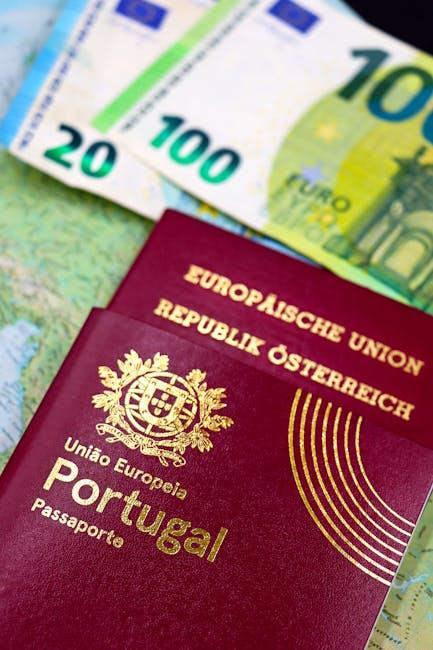
Navigating Legal Rights and Responsibilities Across Borders
Juggling legal obligations in multiple countries can often feel like a high-wire act without a net. Those holding citizenship in more than one nation are frequently required to navigate intricate legal landscapes that govern everything from taxation and military service to voting rights and property ownership. This duality can offer an enriching global perspective but also demands a keen understanding of conflicting regulations. For instance, some nations require citizens to declare global income, while others may restrict dual nationality altogether, creating scenarios where one citizenship might inadvertently jeopardize the rights tied to another.
To aid in this complex navigation, here are some critical points to consider:
- Tax Responsibilities: Be aware of which countries require tax filings and how double taxation treaties might apply.
- Legal Protections: Understand the jurisdictional limits of consular assistance and citizenship protections abroad.
- Military Obligations: Identify if any country mandates compulsory service and how that intersects with your other citizenships.
- Civic Duties: Comprehend the voting rights and political responsibilities you hold in each nation.
| Legal Aspect | Possible Conflicts | Key Advice |
|---|---|---|
| Tax Filing | Double taxation, reporting complexity | Consult cross-border tax experts |
| Military Service | Compulsory duties overlap | Check deferment or exemption rules |
| Voting Rights | Conflicting eligibility | Confirm registration rules in both countries |
| Property Ownership | Restrictions based on nationality | Research foreign ownership laws |
Economic Opportunities and Challenges in Dual Citizenship
Holding citizenship in two countries can unlock a treasure chest of economic benefits, allowing individuals to tap into diverse labor markets and investment climates. Dual citizens often find themselves with the flexibility to work legally in multiple jurisdictions without the burden of visa bureaucracy, giving them a distinct advantage in pursuing lucrative career opportunities or entrepreneurial ventures abroad. This mobility can lead to higher earning potential, as some economies offer better salaries or tax incentives than others. Moreover, having access to multiple social security systems means a broader safety net and retirement options, which can be crucial for long-term financial planning.
However, this economic freedom comes bundled with its own set of challenges. Navigating the complex web of dual taxation requires careful attention and sometimes professional advice, as each country may claim the right to tax the same income. Financial compliance can become a labyrinth of rules, especially when currencies fluctuate or when governments introduce new regulations aimed at curbing tax avoidance. Additionally, dual citizens may face restrictions when attempting to run for public office, hold certain jobs, or invest in certain sensitive sectors due to national security concerns. The table below highlights some key economic factors dual citizens must juggle:
| Economic Aspect | Potential Benefit | Associated Challenge |
|---|---|---|
| Work Opportunities | Access to broader job markets | Legal nuances and permit complexities |
| Investment | Diverse asset classes and markets | Tax reporting and double taxation risks |
| Social Security | Multiple pension plans and benefits | Complex eligibility and contribution rules |
Cultural Identity and Social Integration in Multiple Homelands
Navigating life across multiple homelands fosters a unique tapestry of cultural identity that is both enriching and challenging. Individuals often find themselves weaving together traditions, languages, and customs to create a personal narrative that transcends geographical boundaries. This fluid identity can lead to a profound sense of belonging in more than one place, yet it also evokes questions of loyalty and self-definition. The reality of holding multiple citizenships means embracing a hybridity that defies singular labels, inviting a constant negotiation between heritage and adopted cultures.
Key elements influencing this dynamic include:
- Community Connections: Building relationships across borders that sustain cultural practices and social support.
- Legal and Social Recognition: How citizenship policies affect feelings of inclusion and exclusion.
- Identity Fluidity: Embracing multiple identities without demanding rigid categorization.
| Aspect | Effect on Integration |
|---|---|
| Language Use | Enhances communication but complicates self-expression |
| Cultural Festivals | Strengthens community bonds across homelands |
| Legal Status | Shapes access to rights and social services |
| Social Networks | Provide emotional and practical support |
Practical Advice for Managing the Complexities of Multiple Passports
Juggling multiple passports requires more than just careful planning—it demands a proactive mindset. Start by keeping all important documentation updated and organized, preferably in both physical and digital formats. A dedicated travel wallet and a secure cloud storage system for scanned copies can save you hours of headache at border control or embassy offices. Additionally, be mindful of expiration dates and renewal requirements for each nationality, as lapse in any document could trigger unexpected travel disruptions. Embrace technology like mobile apps that consolidate travel alerts, visa statuses, and local immigration rules to stay ahead of any regulatory changes that might impact your freedom of movement.
Understanding and respecting the diverse laws attached to each citizenship can also safeguard you from legal complications. To help manage obligations, consider the following:
- Tax compliance: Know the tax filing deadlines, possible double taxation treaties, and reporting obligations for each country.
- Military service: Investigate if any form of conscription applies, as this might affect your travel plans or legal standing.
- Voting rights: Stay informed on the electoral processes and deadlines to maintain civic participation across borders.
Here’s a quick reference table to illustrate typical responsibilities linked to multiple citizenships:
| Citizenship Aspect | Common Requirement | Potential Pitfall |
|---|---|---|
| Passport Renewal | Every 5-10 years | Expired passport delay |
| Tax Filing | Annual returns | Double taxation without treaties |
| Military Service | Mandatory in some countries | Unawareness leading to penalties |
| Voting | Registration required | Missed deadlines mean lost vote |
In Summary
In the intricate tapestry of modern identity, multiple citizenship weaves threads of belonging and complexity, opportunity and challenge. Living between borders is more than a legal status; it is a lived experience that reshapes notions of home, loyalty, and self. As global mobility continues to blur traditional lines, the stories of those who navigate dual or multiple allegiances invite us to rethink the boundaries that define us—and to embrace the fluid, multifaceted nature of identity in an ever-connected world.




