
In an increasingly interconnected world, the notion of identity is evolving beyond borders and passports. For many, holding dual citizenship isn’t just a legal status — it’s a vibrant tapestry of cultures, opportunities, and responsibilities woven together. Yet, navigating the labyrinth of rights and realities that come with being both American and a citizen of another nation can be as complex as it is rewarding. This article explores the intricate landscape of dual citizenship, unveiling the rights it confers, the legal nuances it entails, and the practical realities Americans face when embracing two homelands. Whether it’s understanding voting privileges, taxation, or travel freedoms, gaining clarity on this multifaceted status is essential for making informed decisions in today’s globalized society.
Understanding the Legal Landscape of Dual Citizenship in the United States
In the United States, dual citizenship is recognized, but it comes with a complex web of legal nuances that every dual national should understand. Unlike some countries, the U.S. does not require citizens to renounce their original citizenship upon naturalization, allowing individuals to maintain allegiance to two nations simultaneously. However, this dual allegiance can pose challenges, especially in areas such as taxation, military service, and diplomatic protection. For instance, U.S. citizens anywhere in the world are subject to American laws, including tax obligations, regardless of whether they hold citizenship elsewhere.
Key legal considerations for dual citizens often include:
- Tax Compliance: Filing U.S. taxes annually even if income is earned abroad.
- Travel Restrictions: Navigating visa requirements, especially when entering one’s other country of citizenship.
- Security Clearances: Potential limitations on government employment.
- Civic Duties: Understanding the obligations towards both countries, such as voting or military service.
| Aspect | U.S. Law stance | Potential Dual Citizenship Impact |
|---|---|---|
| Taxation | Taxation on worldwide income | Possible double taxation mitigated by treaties |
| Military Service | Selective Service registration required (males 18-25) | May conflict with other country’s service obligations |
| Legal Protection | U.S. embassy assistance abroad | Limited in second country if also a citizen there |
Balancing Responsibilities and Privileges Across Borders
Dual citizenship offers a unique blend of opportunities, yet it demands a careful juggling act between rights and responsibilities. While holding American citizenship grants access to voting, social security, and federal protections, it also entails abiding by U.S. tax laws, selective service registration for men, and allegiance to American values even when abroad. This complex relationship often requires individuals to stay informed of both countries’ legal frameworks, ensuring they meet their civic duties without compromising the privileges tied to their dual status.
- Tax obligations: Filing US taxes annually regardless of residence.
- Military service considerations: Navigating selective service registration.
- Voting rights: Exercising the franchise from overseas or in person.
- Civic duties: Understanding legal responsibilities in both countries.
Balancing these elements often requires strategic planning and ongoing engagement with both nations’ civic systems. For example, maintaining valid passports, staying updated with embassy communications, and understanding how dual citizenship impacts legal matters such as property ownership or child custody are critical. This balance is vital to fully enjoy the benefits without unexpected consequences, serving as a reminder that with the privileges of dual citizenship come equally significant responsibilities.
Navigating Tax Obligations and Financial Considerations
Dual citizenship introduces a complex web of tax obligations that can catch many off guard. While the United States taxes based on citizenship rather than residency, it’s crucial to understand how this affects your financial reporting. You may find yourself filing annual returns with the IRS, even if you live abroad and pay taxes in another country. However, mechanisms like the Foreign Earned Income Exclusion (FEIE) and tax treaties can help reduce double taxation—though these require careful documentation and timely filings.
Financial planning becomes even more essential when you juggle two national financial systems. Consider these factors:
- Banking regulations: Some foreign banks may have strict policies when dealing with U.S. citizens due to FATCA reporting.
- Investment reporting: FBAR (Foreign Bank Account Report) forms are mandatory for U.S. citizens with significant foreign financial assets.
- Inheritance and estate taxes: Dual citizenship can influence how estates are taxed across borders, making estate planning a priority.
| Tax Aspect | U.S. Citizen Abroad | Non-U.S. Citizen Resident |
|---|---|---|
| Income Tax Filing | Mandatory annually regardless of residence | Based on residency |
| Tax Treaties | May apply to avoid double taxation | Usually applicable depending on country |
| Foreign Bank Reporting | Required if thresholds met (FBAR/FATCA) | Depends on local laws |
Maintaining Civic Engagement and Political Rights Abroad
Engaging with the political landscape of the United States while living abroad presents a unique set of challenges and opportunities for dual citizens. Staying informed about U.S. policies and participating in elections can be a meaningful way to maintain civic ties. Voters overseas must register through the Federal Voting Assistance Program (FVAP) to receive absentee ballots, ensuring their voices resonate across borders. Beyond voting, dual citizens can amplify their influence by:
- Joining expat community groups that focus on U.S. political advocacy
- Participating in virtual town halls hosted by American consulates
- Volunteering in voter outreach programs to boost turnout internationally
These proactive steps help maintain a vibrant connection to U.S. democratic processes, preserving the right to shape policy from afar.
| Activity | How It Helps | Ease of Access |
|---|---|---|
| Absentee Voting | Ensures political voice without physical presence | High |
| Community Advocacy | Builds networks to influence policy debates | Medium |
| Consulate Events | Direct access to representatives and updates | Low to Medium |
Understanding your rights and responsibilities abroad is essential in navigating dual citizenship effectively. Many countries offer tools and legal frameworks to support expatriates, but staying current requires effort and vigilance. Establish a routine to track voting deadlines, stay alert to legislative changes affecting dual nationals, and maintain regular outreach with American diplomatic offices. By weaving these practices into daily life, you safeguard your political agency and ensure that living away from the U.S. does not equate to disengagement or diminished rights.
Practical Tips for Managing Dual Citizenship Documentation and Travel
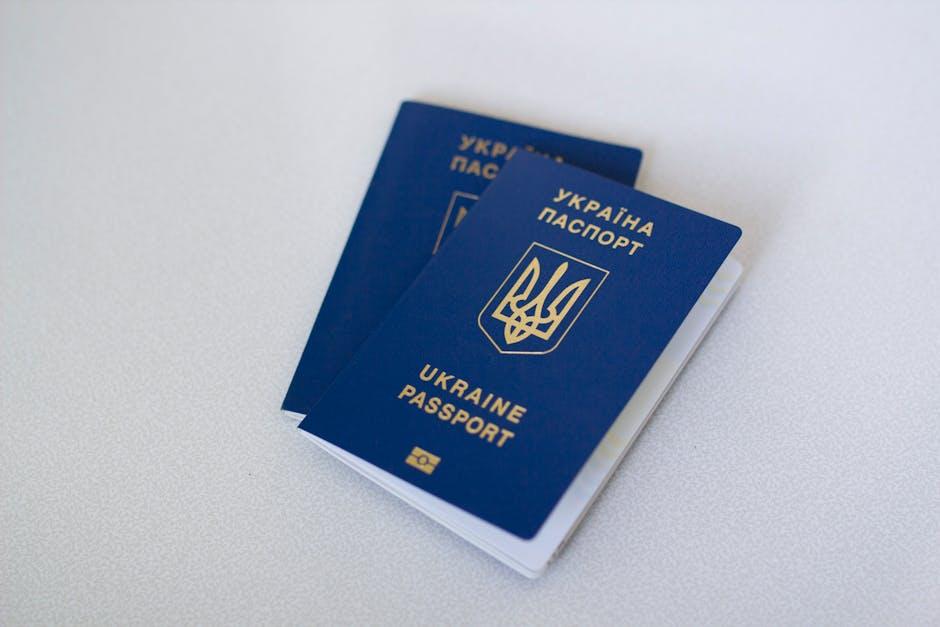
Keeping your dual citizenship documents organized is essential for seamless travel and legal clarity. Always ensure that both your passports are valid well ahead of any international trip, as expiration timelines can vary between countries. Carry photocopies of all critical documents, including birth certificates, naturalization papers, and any relevant visas, stored separately from the originals. This practice not only protects against loss or theft but also speeds up processes at customs or during unforeseen legal situations. Moreover, familiarize yourself with the entry requirements of each country, since dual citizenship may sometimes influence visa exemptions or entry privileges differently than single citizenship.
When crossing borders, clarity about which passport to use is crucial. Many dual citizens opt to use the passport of their destination country for entry and the passport of their departure country for exit to streamline immigration procedures. To assist with this, here’s a quick reference table outlining optimal passport usage scenarios:
| Travel Scenario | Recommended Passport | Tip |
|---|---|---|
| Traveling from USA to Country of Second Citizenship | Use US passport to exit, second passport to enter | Avoid visa issues |
| Returning to the USA | Always present US passport | US law requires using your American passport to enter |
| Travel between non-US countries | Use passport offering easiest entry | Prioritize visa-free entry |
Finally, keep abreast of policy updates regarding dual citizenship, as laws can shift unexpectedly. Subscribing to alerts from embassies or consulates and consulting immigration attorneys for complex situations can save time and reduce travel hiccups. Embrace technology by using secure apps to store digital copies of your documents and travel itineraries, making retrieval effortless whether on the road or at home. Staying proactive and informed turns the management of dual citizenship from a bureaucratic challenge into a streamlined asset.
To Conclude
In the intricate dance of dual citizenship, the steps are both empowering and complex. To navigate the rights and realities of holding American citizenship alongside another is to embrace a unique identity—one that opens doors yet demands careful attention. By understanding the legal nuances, potential obligations, and cultural intersections, dual citizens can chart a course that honors both their heritage and their place within the American tapestry. Ultimately, this journey is less about choosing sides and more about weaving together the rich threads of a multifaceted life.




