
In an increasingly interconnected world, the notion of identity has evolved beyond the singular. For many, a double passport is more than just a travel document—it’s a gateway to new opportunities, a symbol of complex heritage, and sometimes, a necessary tool for navigating global challenges. Yet, holding dual citizenship also brings unique complexities and responsibilities. This article explores the multifaceted landscape of double identities, unveiling the practical benefits, legal intricacies, and personal narratives that define life with dual passports. Whether driven by ancestry, ambition, or circumstance, the journey of balancing two nationalties is a compelling testament to the modern era’s fluid boundaries.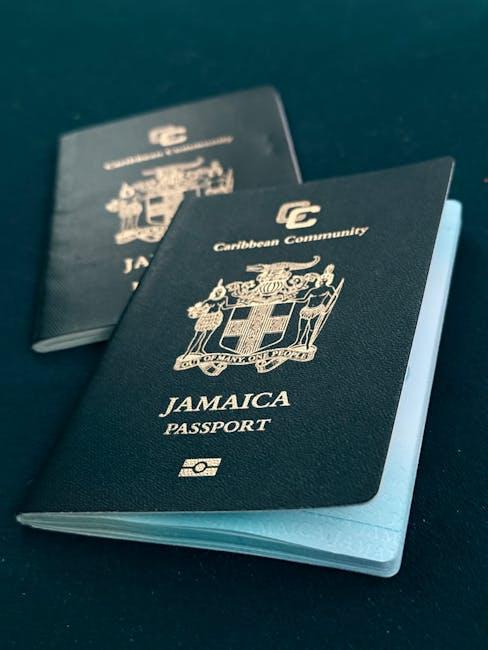
Understanding the Legal Landscape of Dual Passports
When it comes to holding dual passports, the web of laws and regulations can feel like a maze with ever-shifting walls. Not every country views dual citizenship through the same lens; some embrace it, while others impose strict limitations or outright bans. It’s vital to understand that possessing two passports doesn’t just offer convenience—it also carries legal responsibilities that vary by jurisdiction. From taxation to military service, each nation may claim different rights and obligations over dual citizens, often leading to complex scenarios requiring careful navigation.
Before embarking on the journey of acquiring or using dual passports, consider these critical legal factors:
- Recognition Policies: Does both countries officially recognize dual citizenship? Some may require renouncing prior nationality.
- Travel Restrictions: Certain countries prohibit entry with a second passport or have differing visa requirements depending on which passport is used.
- Tax Implications: Dual citizens might face taxation from one or both countries, depending on international agreements and local laws.
- Rights and Duties: Military conscription and voting rights may be affected by dual nationality status.
| Country | Dual Passport Status | Key Legal Note |
|---|---|---|
| Canada | Permitted | No requirement to renounce other citizenships |
| Japan | Restricted | Must choose one citizenship by age 22 |
| Germany | Conditional | Often requires permission to retain previous nationality |
| United States | Allowed | Dual citizens subject to U.S. tax laws globally |
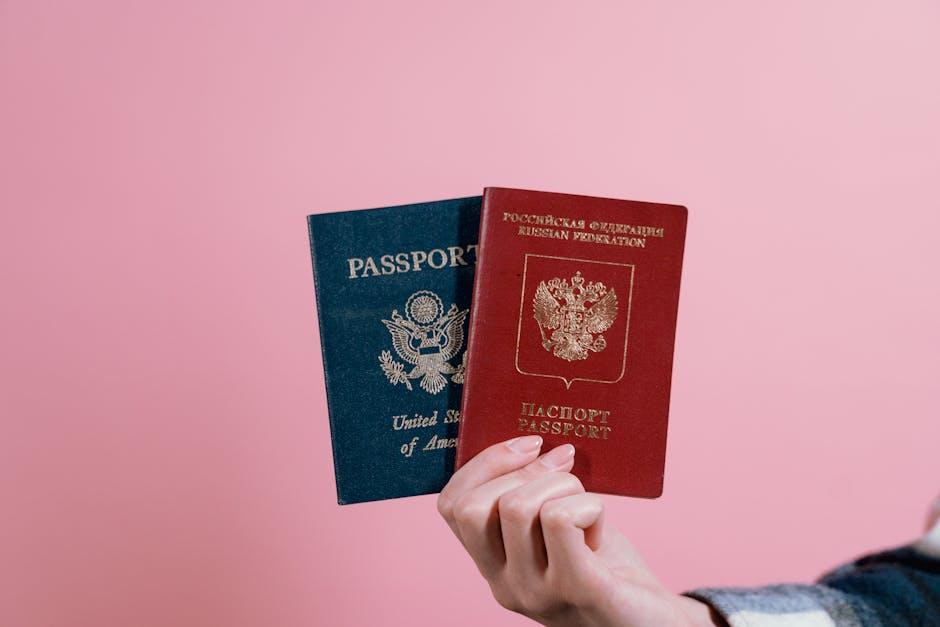
Balancing Benefits and Responsibilities in Dual Citizenship
Holding citizenship in two countries unlocks a world of opportunities, but it also demands a delicate equilibrium between enjoying privileges and fulfilling obligations. The benefits often include access to diverse social services, expanded travel freedom, and the ability to engage fully in two distinct cultural identities. However, these advantages come paired with responsibilities, such as adhering to the legal frameworks of both nations, including tax compliance and civic duties like voting or military service. It’s vital for dual citizens to stay informed about each country’s policies to avoid potential legal pitfalls or conflicts.
To navigate this complex landscape effectively, dual citizens can consider the following best practices:
- Maintain clear documentation of both country’s identity and legal statuses.
- Stay updated on tax laws and reporting requirements for both jurisdictions.
- Consult experts for advice on property ownership, inheritance, and travel restrictions.
- Engage locally to uphold civic responsibilities without losing connection to either nation’s community.
| Aspect | Potential Benefit | Possible Responsibility |
|---|---|---|
| Voting Rights | Participate in elections for both countries | Understanding different electoral systems |
| Taxation | Access to social welfare programs | Filing taxes in multiple countries |
| Travel | Visa-free access to more countries | Managing passports and travel restrictions |
Practical Tips for Managing Multiple Identities Seamlessly
Mastering the art of juggling multiple identities means embracing organization and foresight. Establish a dedicated system—a physical folder or a digital vault—to store all your essential documents. Keep copies of both passports, visa papers, and any related permits. This ensures quick access during travel or legal verifications, reducing stress and potential delays. Additionally, consider syncing your travel itinerary with both country calendars to track holidays, embassy closures, and visa expiration dates seamlessly.
- Use distinct travel wallets to separate each passport for clarity and quick reference.
- Update contact information with both embassies and relevant authorities.
- Stay informed about dual citizenship taxation laws to avoid surprises.
- Leverage technology with apps that monitor visa requirements and travel alerts for each nationality.
| Tip | Benefit |
|---|---|
| Document Backup | Prevents loss and travel disruptions |
| Calendar Sync | Ensures awareness of key deadlines |
| Separate Wallets | Streamlines airport security checks |
| Tax Awareness | Protects from legal complications |
Navigating Travel Complexities with Two Passports
Having two passports opens a fascinating gateway to the world, yet it also invites a unique set of travel quirks. Balancing between two identities means becoming a master of strategy—knowing which passport to present at which border, understanding visa requirements that vary drastically, and managing entry restrictions imposed by different countries. For instance, some nations may recognize one passport but impose strict regulations on the other due to diplomatic relations or other geopolitical considerations. This duality demands meticulous attention to detail and proactive planning to avoid roadblocks and delays that can turn exciting adventures into logistical headaches.
Effective management of your dual travel documents involves:
- Researching visa agreements specific to each passport and destination
- Tracking expiration dates carefully to prevent last-minute scrambles
- Being aware of entry/exit stamp policies that could impact future travels
- Keeping both passports accessible yet secure during transit
| Country | Preferred Passport | Key Consideration |
|---|---|---|
| Germany | EU Passport | Streamlined entry, visa-free access |
| United States | Non-EU Passport | ESTA application required |
| Brazil | Either Passport | Requires visa, but some nationals exempt |
| United Arab Emirates | Non-EU Passport preferred | Visa on arrival varies by nationality |
Future Trends in Dual Nationality and Global Mobility
Looking ahead, the landscape of dual nationality is set to evolve in tandem with technological advancements and shifting geopolitical dynamics. Increasingly, countries are recognizing the value of fluid identities in a hyper-connected world. This means more streamlined processes for obtaining multiple passports and expanding privileges tied to global mobility. Yet, the rising prominence of digital nomad visas and blockchain-based identity verification signals a move toward a borderless experience—where your citizenship is no longer just a static document but a dynamic asset.
Several trends are redefining how we perceive and manage dual nationality:
- Enhanced Digital Identity Platforms: Governments investing in secure, blockchain-enabled passports to facilitate faster cross-border travel.
- Hybrid Citizenship Models: New legal frameworks allowing partial or temporary citizenship benefits without full naturalization.
- Eco-Residency and Mobility Rights: Citizenship perks increasingly tied to environmental impact and sustainable living standards.
| Trend | Impact | Timeline |
|---|---|---|
| Digital Passports | Faster border control & secure identity | 2025+ |
| Hybrid Citizenship | Flexible global rights | 2026-2030 |
| Eco-Residency | Linking citizenship to sustainability | 2027+ |
Insights and Conclusions
In a world that grows ever more interconnected, the concept of a dual passport is both a practical tool and a symbol of multifaceted identity. Navigating the landscape of dual citizenship requires careful consideration, legal insight, and a clear understanding of one’s personal and professional goals. Whether driven by heritage, opportunity, or necessity, holding two passports offers a unique lens through which to view nationality—not as a singular label, but as a bridge between cultures and possibilities. As global borders continue to shift, the double identity stands as a testament to the complexity and richness of belonging in today’s world.




