
In a world increasingly defined by borders both crossed and blurred, the concept of citizenship has evolved beyond simple allegiance to a single nation. The phenomenon of multiple citizenships—where individuals hold legal ties to two or more countries—opens a complex terrain of identities, rights, and responsibilities. Navigating this multifaceted landscape challenges traditional notions of belonging and raises intriguing questions about loyalty, opportunity, and the meaning of home. This article embarks on an exploration of the intricate web woven by multiple citizenships, illuminating the benefits, dilemmas, and nuances that come with living a life that transcends national boundaries.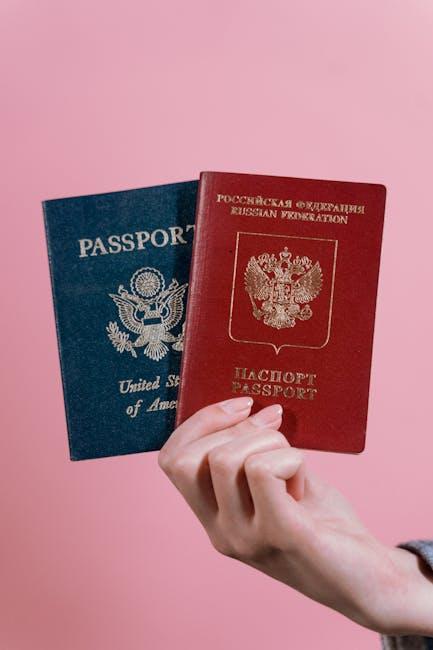
Understanding the Legal Landscape of Multiple Citizenships
In today’s interconnected world, holding multiple citizenships opens doors to diverse opportunities, but it also ushers in a labyrinth of legal considerations. Countries vary widely in how they recognize and regulate dual or multiple citizenships. Some embrace it, providing citizens the freedom to hold several nationalities without losing their original ties, while others impose strict restrictions or demand exclusive allegiance. Navigating this patchwork requires understanding national laws on tax obligations, military service, and voting rights—each with its own implications for those juggling multiple identities.
When managing dual or multiple nationalities, it’s essential to be aware of potential conflicts, such as travel restrictions or diplomatic protections, that arise depending on your citizenship combinations. Below is a snapshot of common legal stances to help clarify how countries typically approach multiple citizenships:
- Permissive: Allows multiple citizenships without conditions (e.g., Canada, Australia)
- Restrictive: Limits or forbids multiple citizenships, requiring renunciation (e.g., Japan, Austria)
- Conditional: Permits dual citizenship mainly for children or special cases (e.g., Germany, Netherlands)
| Country | Approach | Notable Condition |
|---|---|---|
| Brazil | Permissive | No requirement to renounce previous citizenships |
| India | Restrictive | Only Overseas Citizenship, no dual nationality |
| Germany | Conditional | Dual citizenship mainly allowed if acquired at birth |
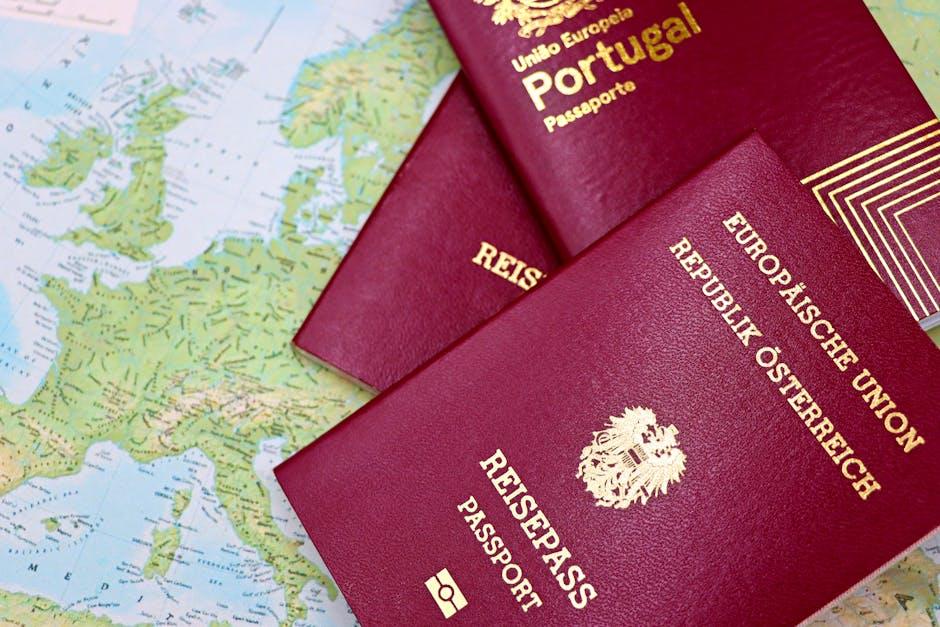
Balancing Rights and Responsibilities Across Borders
Holding multiple citizenships often means walking a delicate tightrope between privileges and obligations. Each passport carries its own set of duties—taxes, military service, or civic participation—that can stretch an individual’s commitment across continents. Navigating legal frameworks requires not only awareness but also a proactive approach, balancing allegiance without compromising on the rights embedded within each identity. This dual existence challenges traditional notions of loyalty and belonging, expanding the landscape of what it means to be a global citizen.
Consider the nuances involved in daily practicalities:
- Voting rights may vary, allowing participation in some elections but not others.
- Consular protection can be ambiguous when conflicts arise between countries.
- Tax filings might be obligatory in multiple jurisdictions simultaneously.
Understanding these complexities calls for a strategic mindset and often expert guidance. Here’s a simple table outlining typical responsibilities against benefits in the world of multiple citizenships:
| Aspect | Description | Potential Challenge |
|---|---|---|
| Legal Obligations | Taxes, military service, jury duty | Double taxation, conflicting duties |
| Political Participation | Voting and candidacy rights | Restrictions or exclusion in one country |
| Consular Assistance | Protection abroad | Competing diplomatic claims |
| Economic Opportunities | Investment, employment freedom | Complex compliance requirements |
Cultural Identity and the Challenges of Dual Allegiance
Holding multiple citizenships often means straddling different cultural worlds, a balancing act that affects personal identity in profound ways. Individuals navigate a tapestry woven from diverse traditions, languages, and social expectations, which can enrich their worldview but also generate inner conflicts. The challenge lies in harmonizing these sometimes contrasting elements without losing authenticity. This dynamic raises questions like “Which culture truly represents me?” or “To whom do I owe my ultimate loyalty?”, underscoring how cultural identity is not a fixed destination, but a constantly evolving journey.
- Emotional tension: Feeling caught between competing cultural norms or expectations.
- Social integration: Adapting behavior to different national contexts while maintaining self-coherence.
- Representation dilemmas: Deciding where to align oneself during politically or socially divisive moments.
Below is a simplified overview of typical emotional challenges faced by individuals with dual allegiances, highlighting the delicate interplay between belonging and loyalty:
| Challenge | Impact | Possible Coping Strategy |
|---|---|---|
| Identity Confusion | Difficulty in self-definition and cultural dissonance | Embrace hybrid identity; celebrate multicultural roots |
| Cultural Pressure | Expectations to conform to one culture over another | Set personal boundaries; seek support networks |
| Political Loyalty | Conflict of interests during political or diplomatic tensions | Stay informed; advocate for nuanced understanding |
Strategic Benefits and Risks of Holding Multiple Passports
Juggling multiple passports opens a gateway to unparalleled opportunities, offering holders increased mobility, access to diverse job markets, and the luxury of cross-border financial planning. Beyond just travel convenience, these varied citizenships can serve as strategic tools for individuals seeking stability amid geopolitical uncertainties. Benefits such as:
- Visa-free or visa-on-arrival entry to over 100 countries
- Access to multiple social services, healthcare, and education systems
- Enhanced global business and networking prospects
- Flexibility in residency and work options
However, the advantages are paired with inherent complexities and challenges. Dual or multiple citizenships can sometimes trigger a labyrinth of tax obligations, legal conflicts, and even diplomatic entanglements. Awareness of the accompanying risks is crucial:
- Potential double taxation without suitable treaties
- Mandatory military service in certain countries
- Conflicting allegiance laws impacting political rights
- Complications in estate planning and inheritance laws
| Aspect | Potential Benefit | Possible Risk |
|---|---|---|
| Travel | Visa-free global access | Passport misuse scrutiny |
| Taxation | Optimized tax planning | Complex compliance & double tax |
| Political Rights | Voting in multiple countries | Allegiance conflicts |
| Legal Protections | Broader consular assistance | Conflicting laws on citizenship renouncement |
Practical Advice for Managing Administrative Complexities
Effectively managing administrative tasks across multiple citizenships often requires a strategic approach to documentation and deadlines. Start by creating a centralized digital folder system, ensuring all vital records such as passports, visas, and residency permits are easily accessible. Set calendar reminders for renewal dates and legal obligations to prevent lapses in compliance. Leveraging apps designed for document storage can also facilitate on-the-go access and provide backup, saving time and reducing stress when dealing with bureaucratic processes.
When navigating varying requirements, it helps to understand and respect the nuances of each country’s administrative framework. Below is a quick reference guide to key considerations that can streamline your experience:
| Task | Key Tip | Common Issue |
|---|---|---|
| Tax Filing | Consult local tax professionals early to understand your obligations. | Overlapping tax liabilities causing double taxation. |
| Passport Renewal | Check expiration dates well in advance and renew before traveling. | Unexpected travel restrictions due to expired documents. |
| Consular Registration | Register at embassies to receive important updates and assistance. | Missed notifications during emergencies. |
- Maintain regular communication with consular offices for the latest procedural changes.
- Invest time in understanding visa and residency rules to avoid unintended status violations.
- Document translations and notarizations can save you from bureaucratic delays.
The Way Forward
In the intricate tapestry of today’s globalized world, multiple citizenships weave together threads of opportunity, identity, and responsibility. Navigating these layered identities requires more than legal understanding—it calls for a thoughtful embrace of the diverse cultures, loyalties, and challenges that shape our modern existence. As borders blur and allegiances multiply, the journey through multiple citizenships becomes not just a matter of paperwork, but a compelling exploration of what it truly means to belong.




