
In a world increasingly defined by mobility, migration, and interconnectedness, the concept of belonging has grown more complex than ever. For millions, identity is not confined to a single nation but stretches across two, sometimes more, borders—giving rise to the phenomenon of dual national citizenship. This duality offers a unique blend of opportunity and challenge, intertwining legacies, laws, and loyalties in ways both enriching and complicated. “Living Between Borders” delves into the intricate reality of holding citizenship in two countries, exploring what it means to navigate cultural landscapes, legal systems, and personal identities that exist simultaneously yet separately. Through this exploration, we uncover the nuanced experiences of those who live not just beside borders, but within them, shaping a life that is truly defined by crossing lines rather than staying inside them.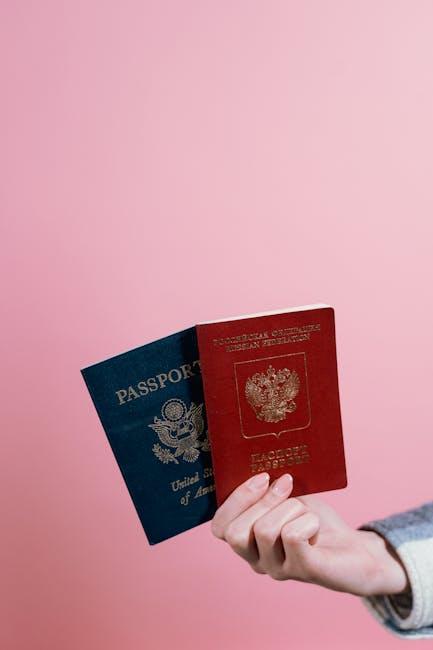
The Complex Identity Landscape of Dual Nationals
Straddling two nations often means navigating a tapestry of cultural norms, legal obligations, and personal loyalties that rarely align neatly. Dual nationals frequently experience a profound sense of belonging and alienation simultaneously, as their hearts and minds weave between the languages, traditions, and societal expectations of each homeland. This continuous balancing act shapes not only personal identity but also impacts social interactions, career opportunities, and diplomatic engagement. Embracing dual citizenship can be a source of empowerment, yet it also demands a heightened awareness of the complexities that come with living across invisible borders.
- Emotional duality: A deep connection to two distinct cultural narratives can evoke pride, confusion, or both.
- Legal challenges: Obligations such as taxes, military service, or voting rights can become tangled webs to navigate.
- Social dynamics: Relational ties often span diverse geographic and cultural contexts, affecting identity expression.
| Aspect | Benefit | Challenge |
|---|---|---|
| Cultural Expression | Rich multicultural heritage | Conflicting social expectations |
| Legal Rights | Access to multiple passports | Complex legal responsibilities |
| Sense of Belonging | Broader personal networks | Occasional feelings of exclusion |
Navigating Legal Obligations Across Two Countries
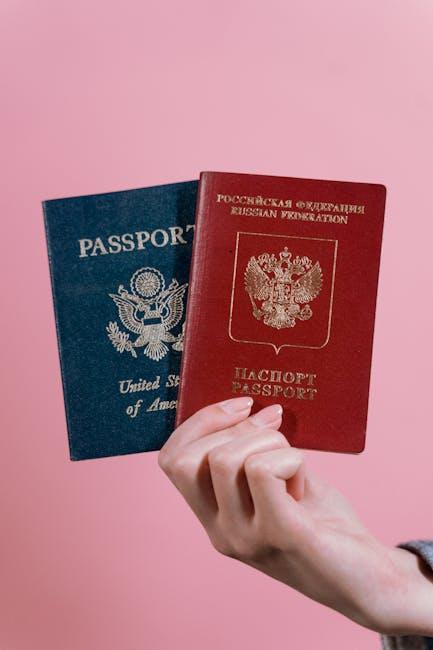
Embracing dual nationality means dancing to two different legal rhythms, each with its own tempo and steps. The complex web of duties—tax filings, military service, voting rights, and property laws—requires careful choreography to avoid missteps. For instance, while one country may demand compulsory military service, the other might have specific tax treaties that can either ease or complicate your financial reporting. Staying informed and seeking expert advice becomes not just a recommendation but a necessity for living seamlessly within this dual framework.
Key considerations often include:
- Compliance with both countries’ tax obligations to avoid double taxation or legal penalties.
- Understanding residency permits and the legal residency status that affects your rights and protections.
- The varying rules on inheritance and property ownership, which may impact your estate planning.
- Ensuring timely renewal of passports and identity documents to maintain access to consular support.
| Obligation | Country A | Country B |
|---|---|---|
| Tax Filing | Annual declaration required | Biannual reporting, exemptions exist |
| Military Service | Mandatory for males aged 18-25 | Voluntary, with reserve options |
| Voting Rights | Allowed at all levels | Restricted to local elections |
Balancing Cultural Connections and Personal Belonging
Living with dual national citizenship often means navigating a delicate dance between two cultural identities. Individuals may find themselves celebrating distinct traditions, speaking multiple languages fluently, or maintaining familial ties that span continents. This rich tapestry brings a profound sense of connection but can also evoke feelings of fragmentation—where to plant roots, which festivals feel “right,” or how to honor conflicting societal expectations. It’s a journey of weaving together histories and present realities, crafting a unique sense of self that transcends geographic borders.
To smooth this balancing act, many embrace practices that honor both sides, creating a personal blend that fosters belonging. Strategies might include:
- Establishing cultural rituals that merge elements from both backgrounds, providing continuity and comfort.
- Building communities of peers who share similar experiences, creating safe spaces for dialogue and shared understanding.
- Engaging in reflective storytelling that allows expression and reconciliation of multifaceted identities.
| Challenge | Creative Solution |
|---|---|
| Feeling culturally torn | Celebrate hybrid holidays |
| Language barriers with family | Shared language learning sessions |
| Conflicting social expectations | Personalized boundary setting |
Economic and Social Opportunities in Dual Citizenship
Practical Tips for Managing Responsibilities and Rights
Balancing the duties and privileges that come with holding citizenship in two countries requires thoughtful organization and awareness. Start by keeping a personal calendar that tracks important obligations such as voting deadlines, tax filings, and national holidays from both nations. This helps prevent accidental legal or civic oversights. Additionally, understanding the nuances of each country’s laws—such as mandatory military service or dual taxation agreements—empowers you to make informed decisions and maintain compliance without unnecessary stress.
Developing a support network is equally essential. Connect with local expat groups or online communities to share experiences, tips, and advice on managing your dual status smoothly. Here’s a quick reference guide to essential actions you should periodically review:
| Responsibility | Suggested Action | Frequency |
|---|---|---|
| Tax Filings | Consult a tax advisor familiar with dual nationality | Annually |
| Voting | Register and update voter status in both countries | Before elections |
| Legal Documentation | Renew passports and identification cards timely | As needed |
| Cultural Engagement | Participate in community events and cultural programs | Regularly |
By actively managing these tasks, you not only honor your responsibilities but also unlock the full spectrum of rights and opportunities available to you as a dual citizen.
Closing Remarks
Living between borders is more than a legal status—it is a lived experience of navigating identity, opportunity, and belonging in multiple worlds. Dual nationality offers a unique lens through which to see the complexities of citizenship, where the lines on a map blend into personal stories of connection and contrast. As globalization continues to weave our lives ever more tightly across nations, the reality of holding two passports becomes both a bridge and a boundary. In embracing this duality, individuals redefine what it means to belong—not just to one place, but to many. The journey of living between borders is ongoing, nuanced, and deeply human, reminding us that identity is often found where worlds converge.




