
In a world where movement shapes opportunity and identity, understanding the intricacies of immigration documents has never been more vital. These seemingly complex papers hold the power to open doors to new homes, careers, and experiences—or to impose barriers that can feel insurmountable. Unlocking Borders: A Guide to Immigration Documents Explained unravels the mysteries behind the official forms, permits, and rights that govern our journeys across nations. Whether you’re stepping into the realm of immigration for the first time or seeking clarity amidst paperwork labyrinths, this guide sheds light on the essential documents that unlock pathways and build bridges between cultures. Join us as we translate legal jargon into accessible insights and empower your next move with knowledge.
Understanding the Essentials of Immigration Documents
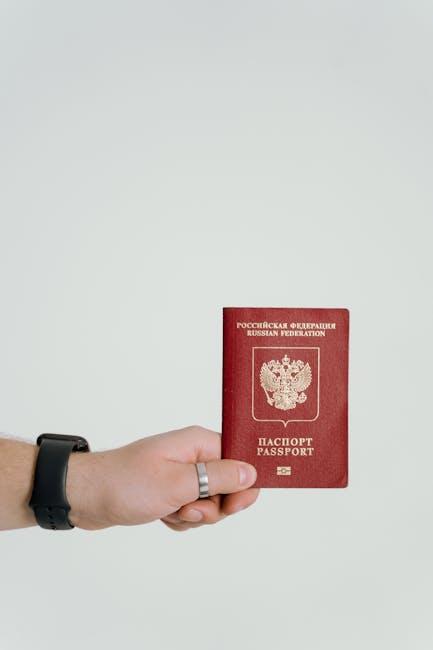
Immigration documents serve as the key to unlocking opportunities beyond borders, each carrying its unique purpose and significance. Whether applying for a visa, permanent residency, or citizenship, these documents are vital records that verify identity, eligibility, and legal status. Common types include passports, visas, work permits, and residence cards. Understanding their distinctions helps prevent common pitfalls, such as expired credentials or mismatched paperwork, which can delay or halt your immigration journey.
Below is a quick reference table to differentiate primary immigration documents based on their purpose and validity:
| Document Type | Purpose | Validity Period |
|---|---|---|
| Passport | Proof of Identity & Citizenship | 5 to 10 years |
| Visa | Permission to Enter/Stay Temporarily | Days to Months |
| Work Permit | Authorization to Work Legally | Varies by Job & Country |
| Residence Card | Proof of Legal Residency | 1 to 5 years |
Knowing these essentials empowers you to navigate the complex immigration landscape with clarity and confidence, turning daunting bureaucracy into manageable steps. Keep these documents current, organized, and accessible at all times — they are your most valuable assets on the path to new beginnings.
Navigating Visa Types and Their Unique Requirements
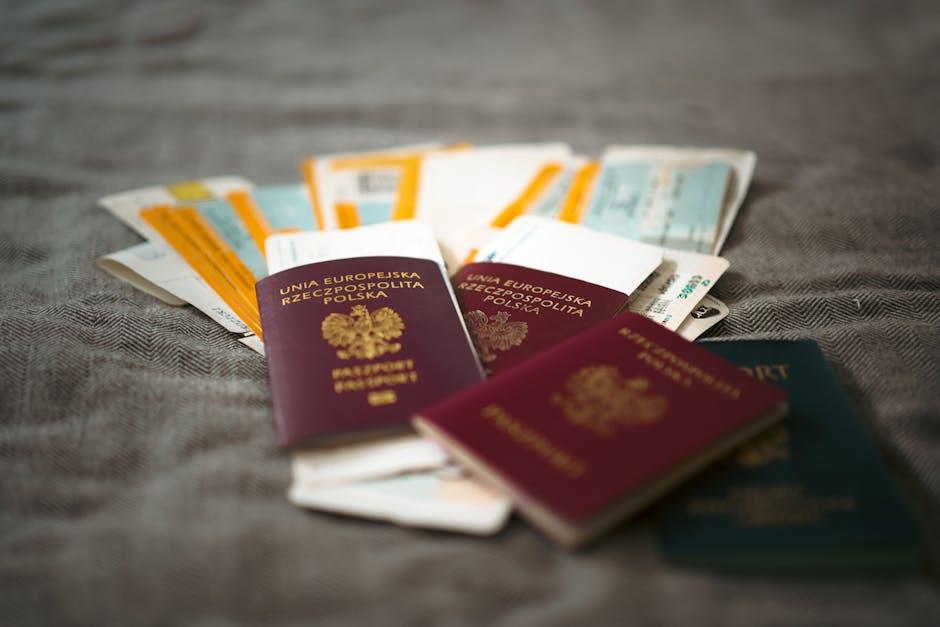
Understanding the vast array of visa categories is crucial when planning your journey abroad. Each visa type serves a distinct purpose, tailored to different circumstances like tourism, study, work, or family reunification. For instance, tourist visas typically require proof of financial stability and a return ticket, while student visas emphasize enrollment confirmation and academic credentials. Beyond documentation, processing times and interview protocols may differ significantly, necessitating a strategic approach to ensure compliance with each embassy’s unique standards.
To simplify the complexity, consider this quick reference guide outlining core visa types alongside their hallmark requirements:
| Visa Type | Primary Requirement | Typical Duration |
|---|---|---|
| Tourist | Proof of funds and itinerary | Up to 6 months |
| Student | University admission letter | 1 year or duration of course |
| Work | Employer sponsorship | 1 to 3 years |
| Family | Proof of relationship | Varies widely |
- Check expiration policies: Some visas require renewal whereas others convert into permanent residency.
- Stay informed: Regulations update frequently and may vary by country.
- Prepare documentation carefully: Incomplete applications delay processing.
Decoding Residency Permits and Work Authorization
Understanding the nuances of residency permits and work authorization is essential for anyone navigating the complex terrain of immigration. Residency permits grant the legal right to live in a country for a specified period, varying from temporary stays to long-term or permanent residence. These permits often come with conditions such as renewal processes, reporting requirements, and limitations on travel within or outside the country. On the flip side, work authorization is a distinct document or endorsement that allows a foreign national to legally engage in employment. Not all residency permits automatically provide work rights, making it crucial to distinguish between the two when planning your immigration journey.
Here are some crucial distinctions and key factors to consider:
- Validity Duration: Residency permits usually last longer than work authorizations, which might need more frequent renewals.
- Scope of Rights: Residency sets your base; work authorization enables earning a livelihood.
- Application Processes: Separate applications may be required, with different documentation and timelines.
- Compliance Requirements: Violating conditions can lead to penalties or loss of status.
| Document | Main Purpose | Typical Duration | Renewal Frequency |
|---|---|---|---|
| Residency Permit | Living legally in the country | 1-5 years | Annually to every 5 years |
| Work Authorization | Permission to work | 6 months to 2 years | Often more frequent than residency |
Mastering the Application Process: Tips for Success
Navigating the complex web of immigration paperwork requires meticulous organization and attention to detail. Start by compiling all necessary documents early, such as passports, birth certificates, proof of employment, and financial statements. Prioritize authenticity and ensure every document is translated into the required language by a certified translator, if necessary. Additionally, keep digital copies backed up securely to avoid last-minute scrambles. Remember, a missing or incorrect document can delay your application or even result in denial, so double-check each requirement against the official checklist provided by the immigration authority.
Efficiency is key when filling out application forms and preparing supporting materials. Follow these tips to maximize your chances of success:
- Read instructions thoroughly: Every form has specific guidelines—ignore them at your peril.
- Use clear and concise language: Ambiguity can lead to misinterpretations.
- Stay honest: Consistency across documents builds trust with officials.
- Track deadlines: Immigration offices operate within strict timelines.
- Prepare for interviews: Be ready to explain and support your application details confidently.
| Step | Action | Tip |
|---|---|---|
| 1 | Gather Documents | Verify authenticity and translations |
| 2 | Complete Forms | Use readable handwriting or type |
| 3 | Submit Application | Double-check all attachments |
| 4 | Prepare for Interview | Practice answers and presentation |
| 5 | Follow Up | Track status through official portals |
Safeguarding Your Status: Compliance and Renewal Strategies
Maintaining your immigration status requires a proactive approach that goes beyond just obtaining the necessary documents. To ensure uninterrupted residency or work privileges, always track the expiration dates of your permits and visas. Missing deadlines can lead to complications, including fines or loss of status. Regularly reviewing your immigration obligations and consulting official resources or legal advisors helps keep you aligned with evolving regulations. Document organization is crucial—use digital reminders, safe storage solutions, and keep multiple copies of essential paperwork to avoid last-minute scrambles.
When approaching renewal season, it’s wise to initiate the process early. Often, renewal applications entail updated documentation, proof of continued eligibility, and sometimes personal interviews or biometric appointments. To streamline renewals, remember these essentials:
- Gather updated identification and financial documents
- Confirm current immigration policy changes
- Prepare supporting letters or evidence if needed
- Submit applications well before expiration dates
| Document Type | Renewal Window | Required Actions |
|---|---|---|
| Work Permit | 90 days before expiry | Submit updated employer letter, biometric info |
| Residency Visa | 60 days before expiry | Provide proof of residence, financial stability |
| Student Visa | 120 days before expiry | Show enrollment verification, academic progress |
Concluding Remarks
As we close the pages on this guide to unlocking borders, remember that immigration documents are more than just paperwork—they are the keys to new opportunities, stories, and lives waiting to unfold. Navigating the complexities may seem daunting, but with knowledge and preparation, each form and permit becomes a stepping stone rather than a barrier. Whether you’re embarking on your own journey or simply seeking to understand, may this guide serve as a map that transforms uncertainty into clarity, and hesitation into hope. The world’s doors are vast; with the right documents in hand, you hold the power to open them.




