
In an increasingly interconnected world, the concept of identity has grown more complex and multifaceted. Among the many ways this complexity manifests is through dual nationality—a legal status that allows individuals to belong simultaneously to two countries. While the idea of holding multiple passports may evoke images of global opportunity and cultural richness, it also brings with it a web of rights, responsibilities, and sometimes unexpected challenges. This article embarks on a journey through the evolving landscape of dual nationality, exploring both the privileges it offers and the realities it imposes, helping readers to better understand what it truly means to navigate life with more than one homeland.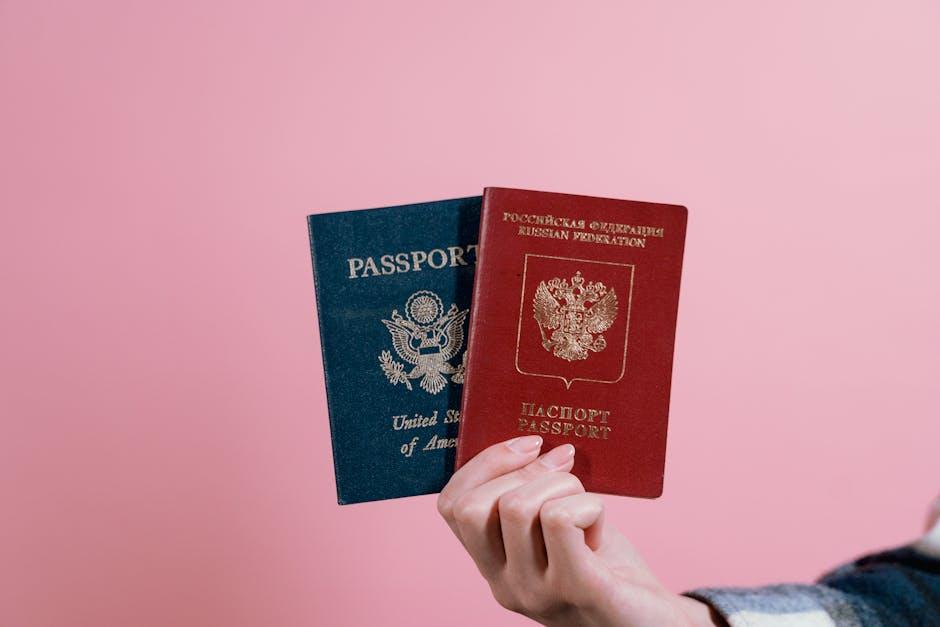
Understanding Dual Nationality and Its Global Landscape
Dual nationality, an increasingly common phenomenon in our interconnected world, offers individuals the unique opportunity to embrace multiple cultural identities simultaneously. It allows people to fully participate in the civic and social life of two nations, leveraging benefits like easier travel, work opportunities, and access to social services in both countries. However, the experience of holding dual nationality varies widely, influenced by each nation’s laws, political climate, and international relations. Some countries welcome dual citizens with open arms, while others impose strict regulations or limit the rights of those who hold multiple citizenships.
Understanding the global landscape of dual nationality requires recognizing not just legal implications but also the personal and political nuances involved. Consider the following aspects that shape dual citizenship experiences worldwide:
- Legal Frameworks: Varying rules on retention of nationality, military service, and taxation.
- Rights and Duties: Voting rights, property ownership, and eligibility for public office can differ based on dual citizenship status.
- Diplomatic Challenges: Dual nationals may face complexities related to consular protection when abroad.
- Identity and Integration: Balancing cultural heritage with a sense of belonging to more than one nation.
| Country | Allows Dual Citizenship? | Notable Restriction |
|---|---|---|
| Canada | Yes | None |
| Japan | No | Must choose by age 22 |
| Germany | Limited | Requires permission |
| Brazil | Yes | None |
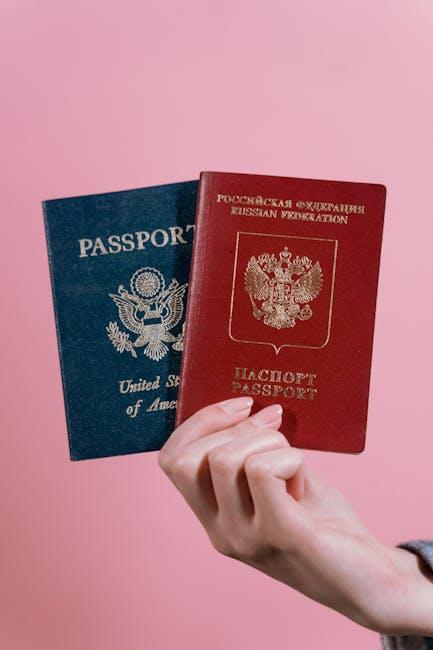
Legal Rights and Responsibilities Across Different Countries
Understanding how dual nationality interacts with legal systems worldwide is crucial for anyone navigating multiple citizenships. Countries differ vastly in their approach—some embrace dual nationals with broad rights, while others impose restrictions or even deny recognition altogether. This divergence affects everything from voting rights and property ownership to mandatory military service. In some nations, dual citizens may enjoy full voting privileges, unrestricted work opportunities, and protection under domestic laws, whereas others might require renouncing one citizenship to exercise certain rights or obligations.
Beyond rights, responsibilities can vary dramatically and often catch dual nationals off guard. For instance, tax obligations can become complex, as some countries tax global income regardless of residency, while others tax only local earnings. Legal requirements such as compulsory military service or jury duty may apply in one country but not in the other. To clarify these differences, here’s a simplified overview:
| Country | Recognition of Dual Nationality | Voting Rights | Military Service |
|---|---|---|---|
| Canada | Fully recognized | Full rights | No mandatory service |
| Japan | Restricted; must choose | Only if renounced others | Mandatory for males |
| Germany | Recognized with conditions | Full rights | No mandatory service |
| Brazil | Fully recognized | Full rights | Mandatory for males |
- Voting obligations may differ by country, sometimes allowing voting in local elections but not national ones.
- Legal protections during travel or residency might be limited depending on whether dual citizenship is recognized.
- Tax and financial reporting duties can overlap, requiring careful planning to avoid penalties.
Cultural Identity and Social Integration Challenges
Balancing two cultural identities can often feel like walking a tightrope between tradition and adaptation. Those with dual nationality frequently face an internal tug-of-war, striving to honor the heritage that shapes their roots while trying to assimilate into the social fabric of their new home. This dynamic creates a nuanced experience where daily interactions demand cultural fluency—not simply in language, but in unspoken customs, values, and social expectations. Feelings of belonging might fluctuate, sparking questions of authenticity: Am I more of one culture than the other? Can I fully embrace both without losing myself?
Social integration, while a pathway to opportunity, also presents hurdles. Discrimination, stereotyping, and the pressure to conform can lead to isolation or rejection, making the already complex process of building a cohesive identity even tougher. Support networks and community centers play a vital role, offering spaces where shared experiences foster solidarity. Here’s a glimpse into common challenges encountered:
- Language barriers impacting communication and social inclusion
- Prejudice and bias from both native-born citizens and co-nationals
- Generational gaps within families around cultural values and expectations
- Legal ambiguities affecting access to social services and rights
| Challenge | Impact | Support Solution |
|---|---|---|
| Language Barriers | Isolation and limited job opportunities | Community language classes |
| Discrimination | Reduced social belonging | Anti-bias workshops |
| Generational Gaps | Family communication breakdown | Cultural exchange programs |
| Legal Ambiguities | Inconsistent access to services | Legal aid and advocacy groups |
Practical Tips for Managing Dual Citizenship Documentation
Keeping your dual citizenship documents in order is crucial to avoiding legal and bureaucratic headaches across borders. Start by organizing your paperwork systematically—use labeled folders (digital and physical) categorized by country, document type, and expiration dates. Consider creating a checklist of essential documents such as passports, birth certificates, naturalization papers, and any required visas. Regularly review and update this list to ensure nothing slips through the cracks, especially before international travel or residency changes.
When managing renewals or applications, having a clear overview of important deadlines is key. Utilize digital calendars with recurring alerts for each document’s expiration date. Also, familiarize yourself with each country’s official site or embassy guidelines on dual citizenship requirements to avoid surprises. Here’s a quick reference table summarizing common documents and their typical validity periods:
| Document | Validity | Renewal Reminder |
|---|---|---|
| Passport | 5-10 years | 6 months before expiry |
| National ID | 10 years | 3 months before expiry |
| Naturalization Certificate | Lifetime | Keep permanently |
| Visa/Residence Permit | Varies | 1-2 months before expiry |
- Backup important files on encrypted cloud storage for quick access anywhere.
- Consult legal experts periodically to keep up with evolving citizenship laws.
- Keep multiple copies of critical documents to present when needed without risking originals.
Balancing Opportunities and Limitations in Daily Life
Dual nationality unlocks a unique set of opportunities, providing freedom to live, work, and study across borders with greater ease. This status often allows individuals to enjoy the best of both countries—access to diverse cultures, economic advantages, and travel flexibility without the cumbersome process of visas. For example, holding two passports can enable smoother business operations, enhancing career prospects in international markets. Moreover, dual citizens may benefit from social services or political participation rights in multiple nations, broadening their global influence and community ties.
However, balancing these privileges involves navigating inherent challenges. Dual nationals must often contend with complex legal landscapes, including tax obligations in both countries, mandatory military service, or varying immigration rules. These limitations can sometimes create conflicts of interest or identity struggles. The table below outlines some typical advantages and drawbacks:
| Advantages | Limitations |
|---|---|
| Visa-free travel across two regions | Double taxation concerns |
| Access to healthcare and social benefits in both countries | Mandatory military service requirements |
| Political voting rights in multiple elections | Complex legal duties and residency restrictions |
| Broadened cultural and educational opportunities | Potential travel restrictions during diplomatic tensions |
The Way Forward
As the world grows ever more interconnected, the tapestry of dual nationality becomes increasingly complex and vibrant. Navigating this unique blend of identities and legal landscapes requires both awareness and adaptability. While dual nationality opens doors to new opportunities and cultural bridges, it also invites a careful examination of rights, responsibilities, and realities. Embracing this duality is not just a matter of paperwork—it is an ongoing journey of understanding who we are within the mosaic of global citizenship. In the end, the true navigation lies in striking a balance between the privileges granted and the challenges encountered, charting a course that honors both heritage and horizon.




