
In an increasingly interconnected world, the concept of identity is more fluid than ever, transcending borders and traditional definitions. Dual nationality, once a rare and complex status, is now a common reality for millions who find themselves belonging to two nations at once. This duality brings a unique blend of opportunities and challenges, reshaping how individuals relate to culture, law, and belonging. Navigating dual nationality requires a balanced understanding—one that appreciates the privileges of multiple citizenships while recognizing the responsibilities and potential conflicts they entail. This article explores the nuanced landscape of dual nationality, aiming to provide a clear-eyed view that helps individuals and societies embrace this multifaceted identity with clarity and confidence.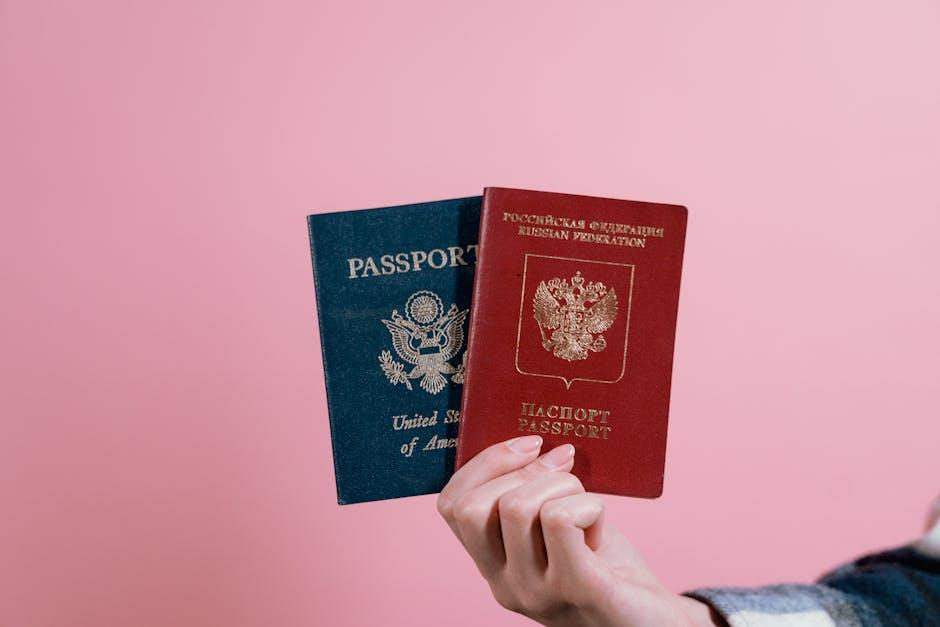
Understanding the Legal Landscape of Dual Nationality
In today’s interconnected world, the legal framework governing dual nationality varies greatly across countries, reflecting a patchwork of policies shaped by history, politics, and societal values. Some nations fully embrace dual citizenship, recognizing it as a symbol of global mobility and multicultural identity, while others take a more restrictive stance, viewing it with caution or outright prohibiting it. Understanding these differing approaches is key to navigating the complexities faced by individuals holding or pursuing multiple citizenships. Jurisdictions typically assess rights, obligations, and legal conflicts that may arise, including tax liabilities, political participation, and military service, all of which differ widely in their application and enforcement.
Here’s a snapshot of common legal considerations that impact dual nationals:
- Retention or loss of citizenship: Some countries automatically revoke citizenship if another nationality is acquired.
- Military service requirements: Dual nationals might be subject to conscription laws in more than one country.
- Tax obligations: Enforcement can lead to double taxation unless treaties are in place.
- Diplomatic protection: Countries may limit consular support when dual nationality is involved.
| Country | Dual Citizenship Policy | Key Restriction |
|---|---|---|
| Canada | Allowed | None |
| Japan | Limited | Renounce within 2 years |
| Germany | Restricted | Usually single citizenship only |
| Brazil | Allowed | None |
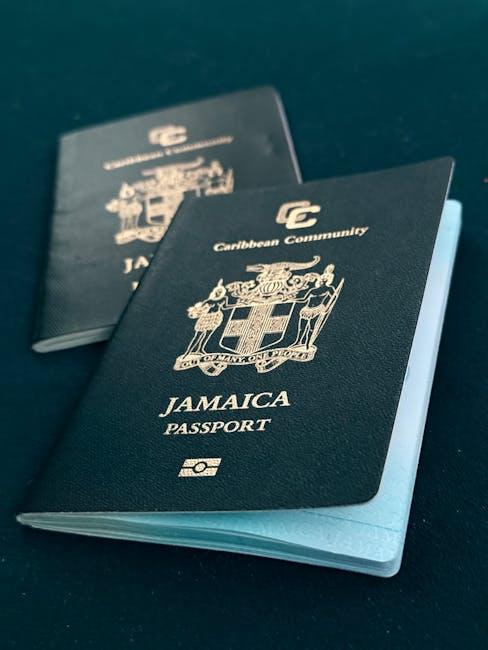
Balancing Rights and Responsibilities Across Borders
When navigating multiple citizenships, it is essential to recognize that rights are intrinsically linked to responsibilities. Dual nationals enjoy unique privileges such as the ability to work, vote, and participate culturally in more than one country. However, these freedoms come with obligations like paying taxes, obeying laws, and fulfilling military service if required. Striking this balance is key to ensuring that dual citizenship is not perceived as a loophole but as a bridge fostering mutual respect and cooperation between nations.
Key considerations for balancing rights and responsibilities include:
- Understanding that tax obligations may exist in both countries, requiring proactive financial planning.
- Complying with legal systems that might have conflicting requirements, necessitating thorough awareness and guidance.
- Respecting cultural and societal norms to support integration and positive bilateral relations.
| Aspect | Rights | Responsibilities |
|---|---|---|
| Voting | Participate in democratic processes abroad | Register and stay informed on electoral laws |
| Taxation | Access to public services | Declare income; file taxes accordingly |
| Travel | Freedom of movement between countries | Carry valid documentation; respect border security |
Cultural Identity and Personal Belonging in Dual Citizenship
Embracing two national identities often weaves a rich tapestry of cultural experiences that expand personal horizons. Individuals with dual nationality frequently find themselves balancing the traditions, languages, and values of more than one homeland. This dynamic creates a unique sense of belonging that transcends borders, allowing people to draw strength and wisdom from both cultures. It also fosters greater empathy and adaptability, qualities that prove invaluable in our increasingly interconnected world.
However, navigating dual cultural landscapes may also present complex challenges. Feelings of divided loyalty or questions about “true” identity can emerge, especially when cultural norms conflict or social expectations pressure conformity. The journey toward a harmonious personal identity often involves:
- Integrating customs without losing authenticity
- Building connections in multiple communities
- Reconciling differing worldviews and values
Ultimately, dual citizenship can be a powerful catalyst for cultivating a multifaceted identity—one that celebrates diversity while providing a profound sense of personal belonging.
Practical Tips for Managing Dual Nationality Challenges
When juggling the complexities of two passports, clear organization becomes your best ally. Keep all essential documents in a dedicated, easily accessible folder—digital backups included. Staying on top of visa requirements, tax obligations, and residency rules for each country helps prevent unexpected legal complications. Scheduling regular reviews of each nation’s policies, especially regarding dual nationals, ensures that you remain compliant and avoid any inadvertent mistakes.
Communication is equally crucial. If you live abroad or travel frequently, maintaining open lines with embassies or consulates can provide swift support when needed. It also helps to cultivate networks within both citizenship communities—sharing insights and experiences can ease decision-making and integrate cultural nuances. Consider these quick strategies:
- Set bi-annual reminders for document renewals and tax filings
- Join dual nationality forums or local expat groups
- Consult immigration lawyers for complex situations
- Maintain clear records of international travel and residence dates
| Challenge | Tip |
|---|---|
| Conflicting tax duties | Hire a tax advisor familiar with both countries |
| Varying travel restrictions | Keep updated on entry rules via official government websites |
| Cultural identity struggles | Engage in cultural events from both backgrounds |
Future Trends and Policy Considerations for Dual Citizens
As global mobility continues to rise, the legislative landscape surrounding dual nationality is poised for significant transformation. Governments must balance national security concerns with the growing need for inclusive citizenship policies that reflect a more interconnected world. Emerging trends include expanding rights for dual citizens in political participation, simplifying naturalization processes, and harmonizing tax regulations across borders to avoid penalizing those with multiple allegiances. Meanwhile, technological advancements such as blockchain-based identity systems promise to streamline verification processes, making legal recognition of dual status more efficient and transparent.
Policy considerations in the near future will likely prioritize:
- Enhanced diplomatic cooperation to address conflicts arising from competing legal obligations.
- Protecting dual citizens’ rights while mitigating risks of dual loyalty in sensitive positions.
- Creating frameworks that embrace the socio-economic benefits of dual nationality without compromising national identity.
| Policy Focus | Potential Impact | Implementation Challenge |
|---|---|---|
| Cross-border taxation treaties | Reduce financial burden on dual citizens | Complex international agreements |
| Political participation rights | Greater inclusion in governance | National sovereignty concerns |
| Digital identity verification | Secure, fast processing | Privacy and security risks |
Wrapping Up
As the world grows ever more interconnected, the concept of dual nationality continues to evolve, weaving together threads of identity, opportunity, and obligation. Navigating this complex tapestry requires thoughtful consideration and a balanced perspective—one that honors the richness of multiple cultures while recognizing the responsibilities each citizenship entails. Whether embraced as a bridge between worlds or approached with cautious pragmatism, dual nationality remains a dynamic facet of modern life, inviting us all to reflect on what it truly means to belong.




