
In an increasingly interconnected world, holding more than one passport has become a coveted asset for many. Dual nationality, a legal status allowing individuals to claim citizenship in two countries simultaneously, presents a fascinating tapestry of opportunities and challenges. From the freedom of seamless travel to access to diverse social services, the benefits can be as enriching as they are complex. Yet, behind this double-edged sword lies a nuanced landscape where advantages intertwine with legal intricacies and personal responsibilities. This article embarks on a balanced exploration of the multifaceted world of passport dual nationality—shedding light on how to navigate its promises and pitfalls with clarity and care.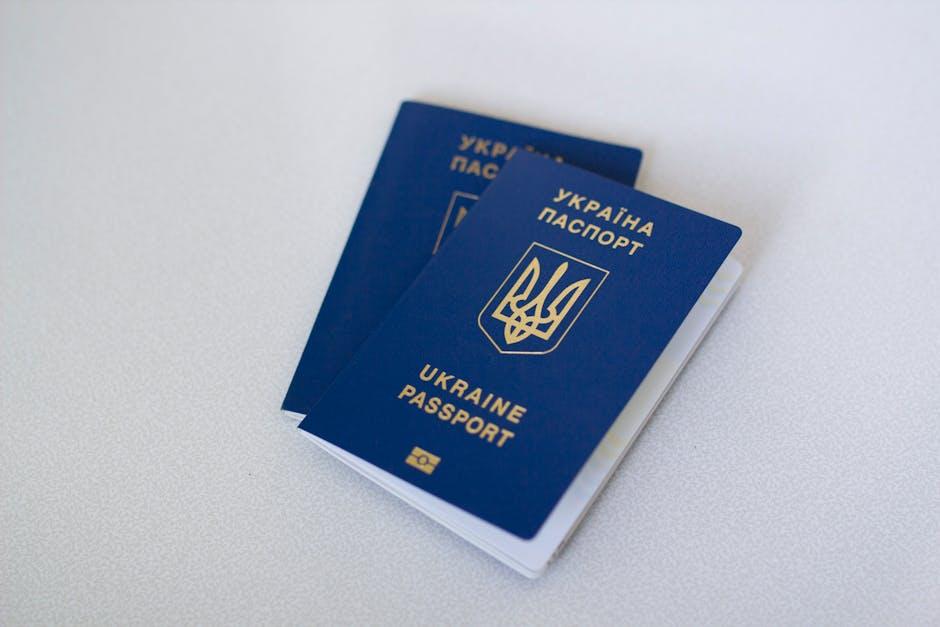
The Complex Advantages of Holding Dual Passports
Embracing dual nationality opens a labyrinth of unique opportunities that are rarely accessible otherwise. Beyond the obvious perks of travel freedom, it empowers individuals to nurture personal and professional ties across borders, blending cultural experiences seamlessly. This phenomenon grants holders the ability to capitalize on diverse economic landscapes, accessing multiple financial systems and job markets without the usual constraints. Dual citizenship thus acts as a strategic asset, especially in a world where mobility and versatility are increasingly prized.
However, these rewards are nuanced and require astute navigation. Consider the following advantages that exemplify the complexity and value of dual passports:
- Access to two distinct social welfare systems and public services
- Eligibility for property ownership or business investment in either country
- Enhanced security through geopolitical diversification
- The ability to educate children in two different schooling systems
- Opportunity to participate in political processes in more than one nation
| Benefit | Potential Impact |
|---|---|
| Travel Flexibility | Visa-free or visa-on-arrival access to 180+ countries |
| Tax Planning | Ability to optimize tax liabilities legally |
| Legal Protection | Consular support from two countries |

Understanding Legal Rights and Obligations Across Borders
Holding dual nationality often feels like possessing a passport that opens multiple doors around the world, yet it also carries the weight of complex legal landscapes. Different countries interpret rights and obligations uniquely, which can affect everything from taxation to military service. For instance, while one nation might grant you the right to work freely, another might impose strict regulations or require mandatory military enlistment. Understanding these nuances becomes crucial to avoid unintended consequences, such as double taxation or conflicts in legal responsibilities.
To better visualize the challenges and advantages, consider the following distinctions:
- Voting Rights: Some countries allow dual nationals to vote in all elections; others restrict voting rights only to citizens residing within their borders.
- Taxation: Dual nationals may face tax obligations in both countries, but tax treaties often exist to prevent double taxation.
- Consular Protection: Protection may be limited depending on which passport you use or where you are geographically located during an emergency.
- Military Service: Obligations vary widely—some require mandatory service for dual nationals, while others exempt them.
Maximizing Travel Freedom Without Losing Ground
Unlocking the doors to global travel can feel like holding a key ring to the world’s most exclusive destinations. With dual nationality, this key becomes even more powerful, allowing you to bypass complicated visa processes, enjoy extended stays, and access consular support from two countries. However, this freedom requires thoughtful navigation to maintain legal and financial standing in both nations. Ensuring continuous residency or fulfilling tax obligations is crucial to keep your passport benefits intact and avoid unintentional penalties.
Consider these strategies to optimize your dual nationality advantages while staying grounded:
- Stay Informed: Regularly update yourself on visa regulations and residency requirements for both countries.
- Manage Residency: Plan your stays to meet minimum physical presence rules, preserving citizenship rights and benefits.
- Financial Compliance: Keep clear records for tax filings and reporting, as some countries enforce strict rules on worldwide income.
- Consular Registration: Register with embassies or consulates to receive travel alerts and assistance abroad.
| Benefit | Tip for Maximizing |
|---|---|
| Visa-Free Access | Alternate passports depending on destination. |
| Work & Residency Rights | Maintain documentation for long-term stays. |
| Consular Protection | Register at embassies for emergency services. |
| Investment & Business | Leverage bilateral agreements for ease of commerce. |
Financial Opportunities and Tax Considerations for Dual Nationals
Holding dual nationality can open a vault of financial opportunities not accessible to single-citizenship individuals. With access to multiple banking systems, investment markets, and retirement plans, dual nationals can diversify their assets globally, potentially maximizing returns and minimizing risks. For example, a dual citizen might take advantage of favorable mortgage rates in one country while investing in burgeoning stock markets in another, creating a balanced and dynamic financial portfolio.
However, this financial latitude also comes with complex tax considerations. Dual nationals often face obligations to file tax returns in both countries, which may lead to double taxation unless treaties and foreign earned income exclusions apply. Understanding the nuances of each country’s tax rules is crucial. The table below highlights common tax scenarios for dual nationals:
| Scenario | Tax Implication | Potential Advantage |
|---|---|---|
| Residence in Country A; Citizenship in Country B | Tax on global income in Country A | Tax treaty may prevent double taxation |
| Income from both countries | Possible need to file in both countries | Exclusion or credits can reduce tax burden |
| Inheritance or estate tax | Different rules per country | Planning allows for tax minimization |
- Consultation with tax professionals familiar with both jurisdictions can prevent costly errors.
- Awareness of annual reporting requirements such as FBAR and FATCA is critical for US dual nationals.
- Strategic financial planning leveraging tax treaties and exemptions optimizes benefits.
Strategic Tips for Managing Dual Nationality Effectively
Embracing dual nationality isn’t just about holding two passports; it’s about strategically leveraging the freedoms and responsibilities tied to each identity. To make the most of this unique position, keeping track of visa requirements and expiration dates is crucial. A simple checklist or digital reminder system can prevent last-minute travel hurdles, ensuring smooth transitions between countries. Equally important is staying informed about tax regulations and legal obligations in both nations to avoid unintentional pitfalls. These proactive steps create a solid foundation for maintaining harmonious dual citizenship without complications.
Maximizing dual nationality benefits also means nurturing connections on both fronts. Cultivating relationships through local community engagement, cultural events, and social networks enhances your sense of belonging and access to resources. Consider the advantages of dual banking and investment opportunities, as well, by comparing financial products side-by-side. Below is a quick reference table that outlines common dual nationality advantages you might explore to expand your toolkit:
| Benefit | Example | Key Consideration |
|---|---|---|
| Travel Freedom | Visa-free access to over 150 countries | Check passport validity regularly |
| Employment Opportunities | Work rights in both countries | Stay updated on local labor laws |
| Education Access | Tuition discounts at universities | Verify eligibility criteria |
| Financial Flexibility | Multiple banking accounts | Monitor tax implications |
Concluding Remarks
In the ever-shifting landscape of global citizenship, holding dual nationality is much like possessing a double-edged sword—offering unmatched opportunities and undeniable complexities. As travelers, professionals, and dreamers weigh the treasures of expanded horizons against the shadows of legal and personal intricacies, one truth remains clear: navigating the benefits of dual passports requires both careful consideration and informed choice. Embracing the journey with awareness allows individuals to unlock the door to new worlds while maintaining a firm grip on their unique identity. Ultimately, the power of dual nationality lies not just in the privileges it bestows, but in the mindful way it is wielded.




