
In an increasingly interconnected world, the concept of identity has taken on new dimensions, weaving together threads from different cultures, languages, and legal systems. For those who hold double nationality, life is a delicate dance between two worlds—each offering its own sense of belonging, responsibility, and opportunity. Navigating this complex terrain requires more than just a passport; it invites a deep exploration of what it means to belong, to choose, and to carry multiple histories within oneself. This article delves into the nuanced experience of living with dual nationality, uncovering how individuals reconcile the often contrasting expectations and emotions that come with holding two flags in their hearts.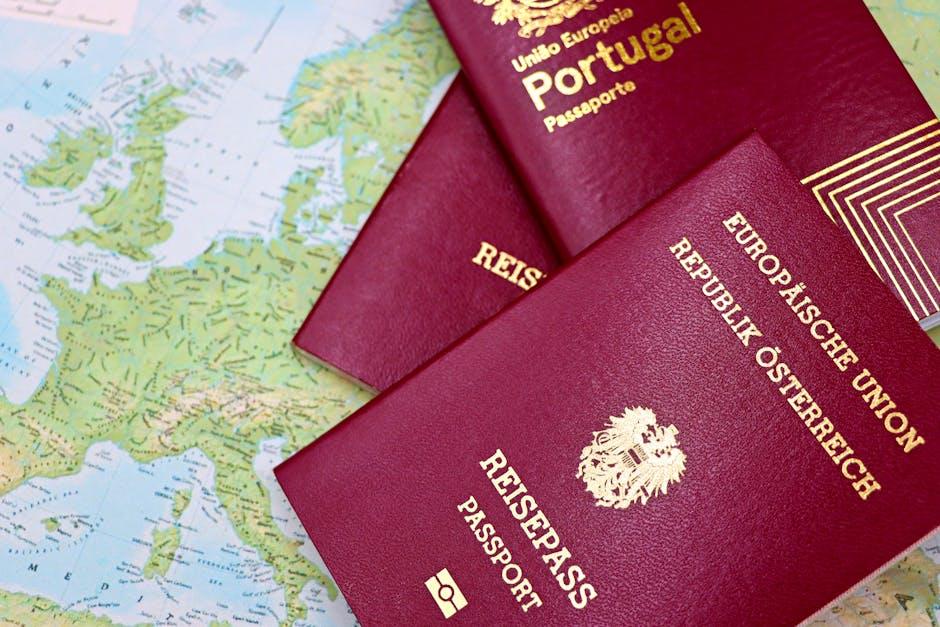
Understanding the Emotional Landscape of Dual Citizenship
Living with dual citizenship often means navigating a rich yet complex emotional terrain where two distinct cultural identities intersect and sometimes collide. Individuals might feel a persistent pull between the familiar comforts of one nationality and the alluring novelty of another, fostering a unique blend of pride, confusion, and even nostalgia. This emotional landscape is not merely about legal status but encompasses a deeper connection to heritage, language, and social belonging. Many find themselves juggling dual allegiances, which can be empowering yet equally disorienting, as the desire to belong to both places may sometimes meet the reality of perceived “otherness” within each community.
Understanding this emotional complexity requires recognizing the following nuances:
- Identity Fluidity: The sense of self can evolve continuously, shaped by experiences in both countries.
- Cultural Hybridity: Combining traditions and values creates a vibrant but sometimes conflicted personal culture.
- Emotional Ambivalence: Feelings of pride can coexist with insecurity or alienation when faced with unfamiliar social norms.
- Family Dynamics: Relationships may deepen or strain as expectations from both sides differ.
| Emotional Aspect | Potential Experience | Impact |
|---|---|---|
| Belonging | Feeling at home in two places | Boosts confidence and sense of identity |
| Alienation | Perceived as outsider by both cultures | May lead to loneliness or confusion |
| Adaptability | Comfort blending customs and languages | Enhances interpersonal skills and empathy |
| Dual Loyalty | Conflicting nationalistic feelings | Challenges decision-making, especially in crises |
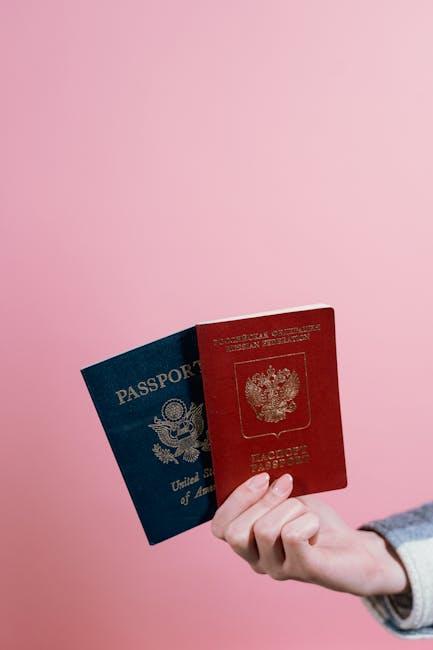
Balancing Legal Rights and Responsibilities Across Borders
Holding citizenship in two countries can often feel like walking a tightrope between contrasting legal landscapes. While it offers the undeniable benefit of expanded freedoms—such as travel flexibility and access to diverse social services—it also demands a vigilant understanding of the differing laws that govern those rights. For instance, dual nationals must carefully navigate tax obligations, military service requirements, and even variations in inheritance laws. These responsibilities underscore the importance of staying informed and sometimes seeking legal counsel to avoid inadvertent conflicts or penalties.
To effectively manage this complex web of rights and duties, dual citizens often develop strategies that include:
- Maintaining clear residency records to establish tax and legal domicile
- Understanding voting rights and obligations in both nations
- Complying with visa and travel regulations that can differ significantly
Below is a simple table illustrating how legal responsibilities might differ in two countries typical for dual nationals:
| Legal Aspect | Country A | Country B |
|---|---|---|
| Income Tax Filing | Annual, worldwide income | Only domestic income |
| Military Service | Mandatory at 18 | Optional volunteer |
| Political Participation | Voting allowed | No voting rights |
Cultural Integration and the Challenge of Belonging
Living with a dual nationality often means straddling two cultural realms, a unique dance between contrasting traditions, languages, and social expectations. This duality can enrich one’s worldview, providing a wellspring of diverse experiences and values. Yet, it also seeds an ongoing internal dialogue about where one truly belongs. The sense of belonging isn’t always tied to a physical place; rather, it’s a mosaic crafted from memories, community bonds, and shared rituals.
Challenges arise when the push and pull between these identities creates moments of cultural dissonance. Navigating this terrain requires embracing complexity and cultivating resilience. Here are some strategies that help in harmonizing these worlds:
- Open dialogue: Share stories and listen to other dual nationals to foster understanding.
- Selective blending: Choose meaningful cultural practices from each identity to celebrate.
- Personal narrative: Define your own story rather than fitting into predefined labels.
| Aspect | Possible Feelings | Positive Outcomes |
|---|---|---|
| Family Expectations | Pressure, Confusion | Stronger bonds, Empathy |
| Community Acceptance | Isolation, Belonging | Support networks, Identity affirmation |
| Personal Identity | Ambiguity, Conflict | Creativity, Flexibility |
Practical Tips for Managing Travel and Documentation
Balancing two passports means staying organized and proactive. Always carry both passports when traveling internationally, as some countries may require entry or exit stamps specific to each nationality. It’s wise to familiarize yourself with visa requirements for each country linked to your citizenship to avoid surprises at border control. Keep digital and physical copies of essential documents—passports, visas, and residency permits—in separate locations. Additionally, ensure your emergency contacts are updated in both countries, bridging your networks for safety and support.
When managing documentation, leveraging technology can streamline the process. Use secure apps designed for travel management to track expiration dates and appointment reminders for passport renewals. Establish a routine check every six months to verify all your travel credentials remain valid. The table below summarizes quick checks to keep your documentation hassle-free:
| Key Document | Action | Frequency |
|---|---|---|
| Passport(s) | Check validity and renew if expiring soon | Every 6–12 months |
| Visas | Confirm entry requirements for upcoming trips | Before each trip |
| Residency Permits | Verify documentation status and renewal timelines | Annually |
Building a Personal Identity Beyond National Labels
In a world that often seeks to categorize individuals by nationality, crafting a personal identity that transcends such labels is both a challenge and a profound opportunity. Those navigating double nationality have the unique chance to blend cultures, values, and traditions into a singular narrative that reflects their lived experience rather than imposed definitions. The journey involves embracing the nuances of each heritage while consciously choosing to define oneself by personal values, passions, and aspirations. It calls for recognizing the richness of dual cultural inheritances without allowing either to confine or limit one’s sense of self.
To foster this expansive identity, consider cultivating a mindset that prioritizes internal compass points over external categories. Some helpful strategies include:
- Building Connections: Engage deeply with communities beyond nationality boundaries, focusing on shared human experiences.
- Personal Narratives: Create stories that highlight your unique journey, blending elements of both worlds into a cohesive whole.
- Value Alignment: Identify core beliefs that resonate independently of cultural origin to serve as a foundation for your self-concept.
- Continuous Reflection: Regularly revisit and adjust your understanding of identity to accommodate growth and change.
| Aspect | Traditional National Identity | Personal Identity Beyond Labels |
|---|---|---|
| Definition | Defined by birthplace and citizenship | Defined by values, experiences, and choices |
| Boundaries | Fixed cultural and legal borders | Fluid, evolving with self-awareness |
| Community | National or ethnic groups | Interest-based, cross-cultural, global |
To Wrap It Up
In the delicate dance of double nationality, identity becomes a mosaic—a blend of histories, languages, and emotions that resist simple definition. Navigating these intertwined worlds challenges us to embrace complexity, honoring each heritage without losing oneself in the process. As borders blur and cultures converge, the journey of holding two nationalities invites a deeper understanding of belonging—not as a fixed point, but as a fluid, evolving tapestry. In this shared space between worlds, perhaps the true essence of identity is found not in choosing one over the other, but in weaving them together, creating something altogether new and uniquely yours.




