
In an era defined by global connections and digital frontiers, the ties that bind us often stretch across continents and cultures. Family-based immigration stands as a profound testament to these enduring bonds, weaving personal stories into the larger tapestry of international movement. As nations grapple with changing demographics and evolving policies, understanding the role of family reunification reveals not only the human face behind migration statistics but also the subtle ways in which families shape societies. This article explores the multifaceted role of family-based immigration today—where emotional ties meet legal frameworks, and where the pursuit of togetherness continues to transcend borders.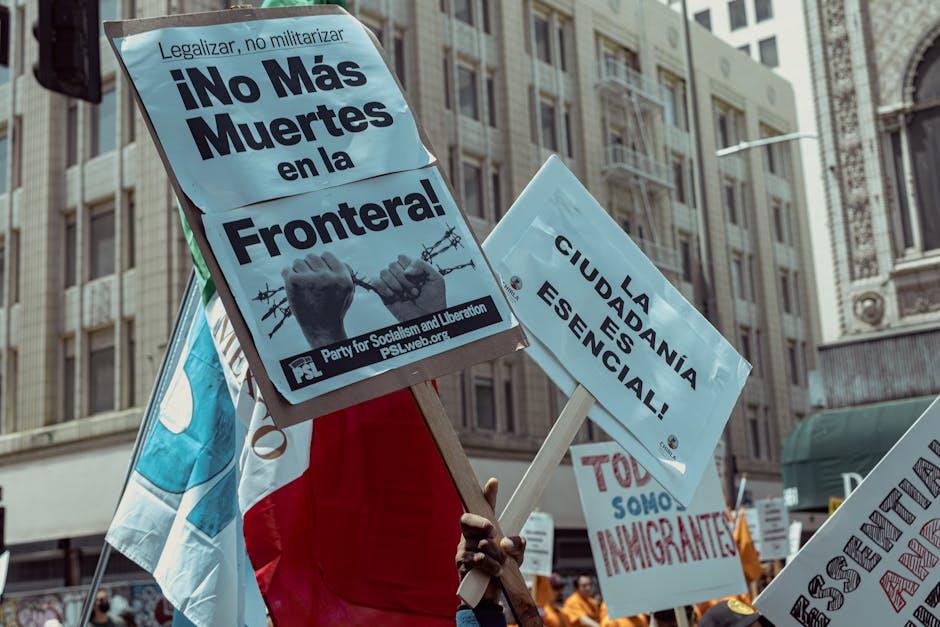
The Human Connection Behind Immigration Policies
Behind every policy is a tapestry of lives intertwined by bonds of love, hope, and resilience. When families reunite through immigration, it is not merely a legal transaction—it is the rekindling of emotional ties that support mental health, economic stability, and cultural integration. Recognizing the human stories behind these policies fosters empathy and helps shape legislation that is both effective and compassionate. The faces behind immigration numbers represent parents seeking better futures for their children, spouses striving to keep families intact, and siblings yearning to rebuild connections shattered by borders.
The impact of family-based immigration extends beyond the individuals involved; it ripples through communities and economies, nurturing social cohesion and fostering diversity. Consider these key benefits:
- Emotional well-being: Reunited families experience improved mental health and community support.
- Economic contributions: Families create stable homes that encourage workforce participation and entrepreneurship.
- Cultural enrichment: Families bridge traditions and new environments, enriching society’s fabric.
| Aspect | Family-Based Immigration Impact |
|---|---|
| Emotional | Strengthened bonds and mental wellness |
| Economic | Increased productivity and financial stability |
| Cultural | Greater diversity and social integration |

Navigating Legal Pathways and Challenges in Family Reunification
When families embark on the journey to reunite across borders, they quickly encounter a labyrinth of legal requirements and procedural hurdles designed to balance security with compassion. Navigating the intricacies of visas, petitions, and documentation demands a keen understanding of both domestic and international immigration laws. It is essential to remain vigilant about deadlines and eligibility criteria, which often vary significantly depending on the country of origin and relationship type. Common challenges include:
- Proving genuine familial relationships under strict government scrutiny
- Handling delays caused by backlogs or administrative reviews
- Overcoming language and cultural barriers during legal consultations
To better illustrate these complexities, consider the following simplified comparison of family-based immigration categories and their typical processing times:
| Category | Relationship Type | Average Processing Time | Key Documents Required |
|---|---|---|---|
| Immediate Relatives | Spouse, Minor Child, Parent | 6-12 months | Marriage Certificate, Birth Certificate |
| Family Preference 1 | Unmarried Adult Child | 5-7 years | Birth Certificate, Proof of Single Status |
| Family Preference 2 | Spouses and Children of Permanent Residents | 3-5 years | Marriage Certificate, Birth Certificate |
While the path to reunification is laden with legal complexities, understanding the framework and preparing meticulously can transform an arduous process into a hopeful step toward rebuilding cherished connections. Families and legal advocates alike benefit from approaching this challenge with patience, clarity, and informed perseverance.
Economic and Social Impacts of Family-Based Immigration
Family-based immigration serves as a vital artery connecting individuals across borders, fostering not only reunification but also significant economic vitality. When families come together, they often create dynamic support networks that enhance workforce participation, increase consumer spending, and stimulate local economies. These bonds transcend mere emotional ties; they build strong community foundations that contribute to greater job diversity and entrepreneurial ventures, enriching cultural landscapes. For example, family immigrants frequently initiate small businesses that become essential hubs in neighborhoods, creating jobs and offering unique services that cater to diverse populations.
The social impact resonates through strengthened communities and enhanced social cohesion, helping to bridge cultural divides and promote inclusivity. As family members integrate into new societies, they bring diverse perspectives and traditions that foster mutual understanding and respect. Below is a snapshot illustrating typical economic benefits linked with family-based immigration:
| Impact Area | Examples | Community Benefit |
|---|---|---|
| Economic Growth | Small business startups, workforce engagement | Job creation, local commerce expansion |
| Cultural Enrichment | Diverse festivals, culinary traditions | Greater social harmony, tourism boost |
| Social Support Networks | Shared childcare, elderly care | Reduced public welfare demand |
- Enhanced workforce diversity helps businesses adapt and innovate.
- Intergenerational support enriches community resilience and educational success.
- Higher civic participation among reunited families strengthens democratic engagement.
Policy Recommendations for More Inclusive and Efficient Systems
To foster systems that truly reflect today’s global interconnections, policymakers must streamline family-based immigration processes, reducing unnecessary bureaucratic hurdles that disproportionately affect vulnerable groups. This includes embracing technology-driven solutions to enhance application tracking and communication transparency. Moreover, a collaborative framework between local, state, and federal agencies is crucial to ensure resources are allocated efficiently and to harmonize enforcement with humanitarian priorities. The focus should be on creating pathways that acknowledge the rich diversity of family structures, including extended kin and non-traditional units, ensuring no one is sidelined by rigid definitions.
Equally important is investing in community engagement initiatives that elevate immigrant voices in policy dialogues, empowering families to navigate systems confidently. A multidimensional approach could involve:
- Enhanced legal support programs tailored to culturally sensitive needs
- Educational campaigns that demystify eligibility criteria and procedural steps
- Partnerships with local organizations to provide holistic assistance beyond immigration status
Below is an outline of potential impact metrics to guide ongoing evaluations:
| Metric | Key Indicator | Desired Outcome |
|---|---|---|
| Processing Time | Average days to decision | Reduction by 30% |
| Access to Support | % utilizing legal aid services | Increase to 75% |
| Community Satisfaction | Surveyed approval rates | Achieve above 85% |
Building Communities Through Cross-Border Family Networks
Across continents, family-based immigration acts as a vital thread weaving diverse cultures into tightly-knit communities. These connections extend beyond mere genealogy; they foster a sense of belonging and mutual support that transcends borders. When families reunite in new countries, they not only preserve traditions but also create vibrant hubs where heritage and innovation coexist. This exchange enriches the social fabric, proving that immigration fueled by family ties is more than relocation—it’s the foundation for dynamic, resilient communities.
Key elements that strengthen community bonds through family networks include:
- Sharing of cultural practices and languages
- Collective economic support and entrepreneurship
- Intergenerational knowledge transfer
- Active participation in local civic and social life
| Community Aspect | Family Network Contribution |
|---|---|
| Cultural Diversity | Preservation of native customs and festivals |
| Economic Growth | Family-run businesses and job creation |
| Social Cohesion | Support systems for new immigrants |
| Educational Advancement | Community mentoring and tutoring programs |
In Summary
As the currents of globalization continue to reshape our world, family-based immigration remains a vital bridge—linking hearts across borders and weaving together the diverse tapestry of communities. While policies and debates evolve, the essence of these journeys is timeless: the pursuit of connection, support, and belonging. In understanding and embracing this role, we not only honor individual stories but also build a foundation for societies that are richer, more compassionate, and deeply interconnected. The dialogue around family-based immigration is far from over, but its power to unite reminds us that at the crossroads of policy and human spirit, relationships will always find a way to flourish.




