
In a world more connected than ever before, the movement of people transcends geographical, political, and cultural boundaries, weaving an intricate tapestry of human experience. “Journeys Without Borders: Mapping the Flow of Global Migration” delves into the dynamic patterns that define our modern migration landscape. This exploration seeks to illuminate the routes, reasons, and realities behind the tides of movement, offering a panoramic view of how migration shapes nations and identities alike. As the earth’s inhabitants continue their journeys across borders, understanding the forces at play becomes essential to grasping the evolving story of humanity.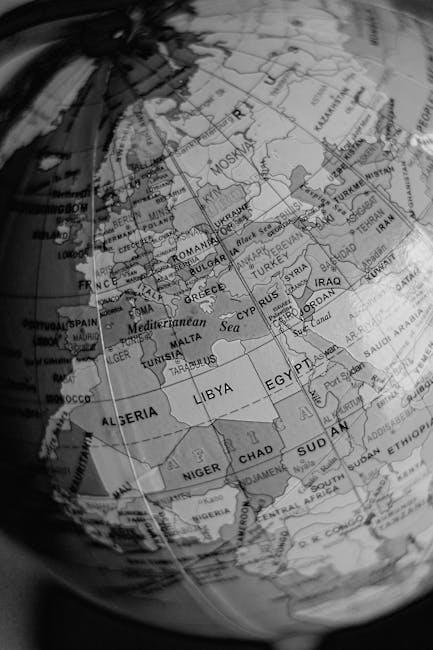
Exploring the Historical Currents Driving Global Migration
Across centuries, migration has been a dynamic thread weaving diverse human experiences into the fabric of globalization. The tides of movement have often reflected the push and pull of economic opportunity, political upheaval, and environmental change. From the Silk Road’s ancient trade caravans to transatlantic voyages compelled by colonization, human migration has been motivated by a blend of survival, aspiration, and adaptation. Often invisible in official records, these flows have reshaped cultures, economies, and even languages in profound ways.
Understanding these currents requires a layered approach, considering factors such as:
- Colonial legacies that redrew borders and established diasporas
- Industrial revolutions that created urban migration surges
- Natural disasters that triggered mass displacements
- International policies influencing refugee and labor flows
| Era | Driving Factor | Migration Pattern |
|---|---|---|
| 15th-17th Century | Colonial Expansion | Transoceanic mass movements |
| 18th-19th Century | Industrial Revolution | Urban internal migration |
| 20th Century | Wars and Decolonization | Refugees and labor migration |
| 21st Century | Climate Change | Environmental displacement |

Navigating Economic and Social Impacts on Host and Source Communities
Migration weaves a complex tapestry of economic and social dynamics between host nations and source communities. For host countries, the influx of migrants often invigorates labor markets, bringing in diverse skill sets and stimulating innovation. However, it can also strain public services and deepen socio-economic inequalities if integration policies are not carefully crafted. Meanwhile, source communities experience a dual impact: while remittances boost local economies and provide essential resources, the departure of key segments of the population may lead to labor shortages and cultural shifts.
Understanding these multidimensional effects requires a balanced view that appreciates both the challenges and opportunities migration presents. The following outlines some pivotal impacts observed across various contexts:
- Economic Growth: Migrants often fill crucial gaps in labor markets, fostering economic expansion.
- Social Integration: Hosts face the task of nurturing inclusive communities to prevent cultural fragmentation.
- Remittances: Vital lifelines for source communities, contributing to education, health, and infrastructure.
- Brain Drain vs. Brain Gain: While emigration can rob source countries of talent, return migration and diaspora networks can facilitate knowledge exchange.
| Impact Type | Host Community | Source Community |
|---|---|---|
| Economic | Labor market diversification, increased productivity | Remittance flows, local business stimulation |
| Social | Cultural enrichment, integration challenges | Shift in demographic composition, family separation |
Unpacking Policy Frameworks Shaping Migration Flows Worldwide
Across continents, migration policies act as the invisible currents guiding the ebb and flow of human movement. These frameworks, often crafted under the shadows of political agendas and economic imperatives, shape who crosses borders and under what circumstances. From visa regulations to labor agreements, these policies create both bridges and barriers, influencing the very nature of global migration. Understanding these policies reveals not only governmental priorities but also the complexities of humanitarian obligations, economic needs, and national security concerns that mold migration pathways.
Critical elements within these frameworks include:
- Regulatory Diversity: Policies vary widely, reflecting distinct historical, cultural, and geopolitical contexts.
- Economic Drivers: Many countries adjust immigration criteria to attract skilled labor or respond to population shifts.
- Human Rights Considerations: Frameworks include protections for refugees and asylum seekers, balancing sovereignty with international commitments.
| Policy Aspect | Impact on Migration |
|---|---|
| Entry Restrictions | Limits access, influencing routes and undocumented flows |
| Work Permit Regulations | Shapes labor markets and migrant integration |
| Refugee Protection | Provides asylum pathways, affecting demographic shifts |
| Family Reunification | Encourages long-term settlement patterns |
Harnessing Data and Technology to Understand Migration Patterns
In the digital age, vast streams of data and cutting-edge technology converge to paint detailed portraits of migration flows across the globe. By tapping into sources such as satellite imagery, mobile phone usage, and social media trends, researchers can track the intricate paths that migrants traverse. This blend of quantitative data and sophisticated algorithms enables a dynamic understanding of where and why people move, transforming abstract numbers into vivid stories of human resilience and adaptation. The deep analysis of these patterns informs policymakers and humanitarian agencies, offering timely insights to address challenges and optimize resources.
Several key tools power this modern exploration of migration:
- Geospatial Analytics: Mapping population movements using satellite data to detect shifts in real-time.
- Machine Learning: Predicting future migration trends by analyzing past behaviors and environmental factors.
- Mobile Big Data: Understanding migration drivers through anonymized phone location patterns.
- Interactive Dashboards: Displaying live migration data to support decision-making with clarity and precision.
| Data Source | Migration Insight | Impact |
|---|---|---|
| Satellite Imagery | Detects border crossings and settlement growth | Enhances border management and aid allocation |
| Mobile Phone Data | Reveals real-time movement patterns | Supports rapid response and service provision |
| Social Media Analysis | Identifies migration motivations and sentiment | Improves cultural integration strategies |
Building Inclusive Strategies for Sustainable Migration Management
Crafting migration policies that are both effective and compassionate requires us to rethink traditional frameworks through an inclusive lens. True sustainability in migration management involves recognizing the diverse experiences of those on the move, from refugees and labor migrants to internally displaced persons. These strategies must elevate community voices and embrace collaboration across borders, sectors, and disciplines. By fostering mutual respect and understanding, countries can create adaptive systems that respond to evolving migration trends while prioritizing human dignity.
Key pillars of inclusive migration strategies include:
- Participatory planning: Engaging migrants and host communities in policy design.
- Equity-driven access: Ensuring fair access to education, healthcare, and employment.
- Cross-sector partnerships: Collaborating with NGOs, private sector, and civil society.
- Data-informed decisions: Utilizing real-time migration data to guide responsive actions.
| Strategy Element | Impact | Example |
|---|---|---|
| Community Dialogues | Builds trust and reduces tensions | Monthly forums in urban centers |
| Skill Recognition Programs | Enhances employment integration | Credential validation partnerships |
| Mobile Health Clinics | Increases healthcare accessibility | Deployments in border regions |
In Retrospect
As we trace the intricate paths of human movement across continents and oceans, the story of global migration unfolds not merely as a series of data points but as a testament to our shared quest for opportunity, safety, and belonging. “Journeys Without Borders” reminds us that migration is more than a map—it is a living, breathing narrative of resilience and connection that transcends lines drawn on charts. In understanding these flows, we deepen our appreciation of the ever-evolving tapestry of humanity, woven from countless journeys that know no true borders.




