
In a world where identity often dictates opportunity, the concept of citizenship has evolved beyond mere birthplace or heritage. Increasingly, nations are opening their doors—offering passports for sale as a gateway to new beginnings, financial freedom, and global mobility. This intriguing trend invites us to explore the countries that have transformed nationality into a commodity, unraveling the motivations behind these programs and the complex implications they carry. Join us as we navigate the landscape of citizenship-for-sale, where the age-old notion of belonging meets the modern marketplace.
Understanding Citizenship by Investment Programs
In today’s globalized world, citizenship is no longer solely a matter of birthright or lengthy residency. Many countries have introduced Citizenship by Investment (CBI) programs, providing a pathway for individuals to acquire a second passport through financial contributions. These programs are designed to attract foreign capital, often requiring investments in real estate, government bonds, or direct donations to national development funds. Such options provide applicants both a strategic advantage for global mobility and an opportunity to secure a safer future for their families.
Each program comes with its unique benefits and requirements, often tailored to the economic needs and political climate of the host country. While some nations emphasize quick processing times and minimal stay requirements, others focus on larger investments but offer stronger travel freedom with their passports. Below is a simple comparison that highlights key parameters typical in popular citizenship by investment programs:
| Country | Investment Type | Minimum Investment | Processing Time |
|---|---|---|---|
| Caribbean Islands | Donation to Government Fund | $100,000+ | 3-6 Months |
| European Union | Real Estate Purchase | €500,000+ | 12-24 Months |
| Middle East | Business Investment | $1,000,000+ | 6-12 Months |
| Asia-Pacific | Fixed Deposit in Bank | $200,000+ | 4-8 Months |
- Flexibility: Some programs allow for family inclusion under a single application.
- Global Access: Passports from certain countries enable visa-free or visa-on-arrival travel to numerous destinations worldwide.
- Residency Requirements: Vary widely; some programs require minimal physical presence while others impose longer stays.
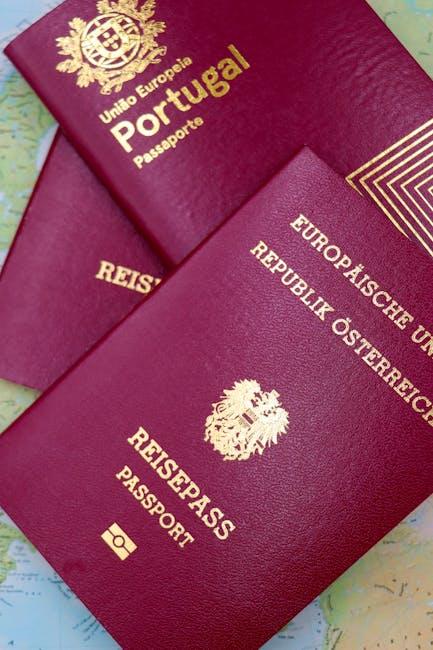
Top Destinations Where Passports Are Available for Purchase
Amid a growing demand for global mobility, some countries have embraced the approach of offering citizenship through investment programs, making it possible to obtain passports under defined legal frameworks. Notably, nations in the Caribbean such as Saint Kitts and Nevis, Dominica, and Antigua and Barbuda provide expedited pathways where qualifying investments in government funds or real estate grant full citizenship rights. These destinations often emphasize not only ease of access but also financial incentives, including tax benefits and visa-free travel to numerous countries.
Beyond the Caribbean, European jurisdictions like Portugal and Malta offer alternative schemes, blending economic contribution with residency requirements before citizenship is granted. Such passports are highly sought after for their broad acceptance and advantages within the Schengen Area. The landscape of citizenship-by-investment is dynamic, with each country tailoring its criteria to attract foreign capital while maintaining sovereign oversight. Below is a concise overview of select programs:
| Country | Investment Type | Approximate Cost | Processing Time |
|---|---|---|---|
| Saint Kitts and Nevis | Donation / Real Estate | $150,000+ | 3-6 months |
| Dominica | Donation / Real Estate | $100,000+ | 3-4 months |
| Antigua and Barbuda | Donation / Real Estate | $100,000+ | 4-6 months |
| Portugal | Real Estate / Capital Investment | €280,000+ | 1-2 years |
| Malta | Donation / Real Estate / Bonds | €600,000+ | 12-18 months |
Evaluating the Benefits and Risks of Buying Citizenship
Purchasing citizenship offers a unique set of advantages that attract a diverse range of individuals. From increased global mobility through visa-free travel to enhanced business opportunities, acquiring a new passport can open doors that were previously out of reach. Many investors also see it as a strategic tool for wealth diversification and securing a safe haven amid geopolitical uncertainties. However, these benefits come with important considerations; the financial cost can be significant, and the process is not always transparent. Prospective applicants must weigh these factors carefully to avoid falling into legal or ethical gray areas.
Risks can vary widely depending on the country offering citizenship by investment. Some programs may involve stringent residency requirements or offer limited protection against political instability. Additionally, not all passports provide equal travel freedom or economic advantages, which can impact the long-term value of the investment. It’s crucial to conduct thorough due diligence, considering issues such as:
- Reputation of the issuing country
- Potential tax obligations
- Impact on original citizenship status
- Transparency and credibility of the citizenship program
| Benefit | Risk |
|---|---|
| Visa-free global travel | High financial cost |
| Business and investment access | Possible residency obligations |
| Political and economic security | Potential loss of original citizenship |
| Tax planning advantages | Program legitimacy concerns |
Legal Considerations and Application Process Explained
Acquiring a new citizenship through investment is more than just a transaction – it’s a complex legal journey that requires careful navigation of each country’s specific requirements. Applicants must typically provide a comprehensive set of documents, including valid identification, proof of clean criminal records, and detailed financial disclosures. Many nations emphasize transparency, demanding background checks and compliance with anti-money laundering regulations to ensure the integrity of their programs. Additionally, applicants often engage legal professionals or specialized agencies to oversee the process, mitigating risks and handling nuanced policies that vary widely across borders.
Understanding the application timelines and residency obligations is equally vital. Some countries offer immediate citizenship upon investment, while others impose a waiting period during which the candidate must maintain physical residence or contribute economically to the local market. Below is a simplified overview of general requirements you might encounter:
- Minimum investment amount – real estate, government bonds, or business ventures.
- Residency criteria – mandatory stay durations or visa-free travel benefits.
- Background checks – security and health screenings.
- Documentation needed – birth certificates, passports, financial statements.
| Country | Typical Processing Time | Investment Type | Residency Requirement |
|---|---|---|---|
| St. Kitts & Nevis | 3-6 months | Real estate or donation | None |
| Portugal | 12-18 months | Real estate | 7 days per year |
| Turkey | 4-6 months | Property purchase | None |
Expert Tips for Choosing the Right Country for Your Second Passport
When deciding on your ideal second passport, weigh factors beyond just investment cost. Consider your lifestyle priorities—whether it’s ease of travel, tax benefits, or access to quality education and healthcare. Some countries grant citizenship through investment programs that offer visa-free access to numerous countries, while others prioritize economic benefits or global mobility. It’s essential to research the geopolitical stability and reputation of the country, as these influence the long-term value of your passport. You should also evaluate the application process duration and whether the country allows dual nationality.
Practical considerations often tip the scale. Here’s a quick reference to compare some popular options:
| Country | Investment Required | Visa-Free Destinations | Processing Time | Dual Citizenship Allowed |
|---|---|---|---|---|
| Malta | $900,000+ | 180+ | 12-14 months | Yes |
| St. Kitts & Nevis | $150,000+ | 150+ | 3-6 months | Yes |
| Turkey | $250,000+ | 110+ | 6-9 months | Yes |
| Dominica | $100,000+ | 140+ | 3-4 months | Yes |
To make an informed choice, think about your future plans. Do you want a passport that enhances business opportunities or one that’s family-friendly? Analyze tax regimes, residency requirements, and cultural compatibility as well. Connect with local legal experts and citizenship consultants who can clarify the nuances of each program. In sum, a strategic approach combining personal goals with due diligence will unlock a second passport that serves as a passport to freedom, security, and opportunity.
Key Takeaways
As the world becomes increasingly interconnected, the idea of purchasing a passport transforms from a mere curiosity into a complex, tangible reality. Countries offering citizenship for sale open doors to new opportunities, freedoms, and challenges alike. Whether driven by economic strategies or personal aspirations, these programs reshape notions of identity, belonging, and mobility. Navigating this landscape requires a careful balance of ambition and awareness, reminding us that behind every passport lies a unique story—one forged not just by borders, but by choice.




