
In an increasingly interconnected world, the concept of identity is evolving beyond traditional borders. Holding two citizenships—a reality for millions—presents a unique tapestry of cultural richness and legal complexity. Dual citizenship is more than a mere legal status; it is a journey of navigating intertwined identities, personal allegiances, and a mosaic of rights and responsibilities. This article delves into the multifaceted experience of living between two nations, exploring how individuals balance their dual heritage while understanding the legal frameworks that shape their rights. Through this exploration, we uncover the challenges and opportunities that come with embracing two passports—and two worlds.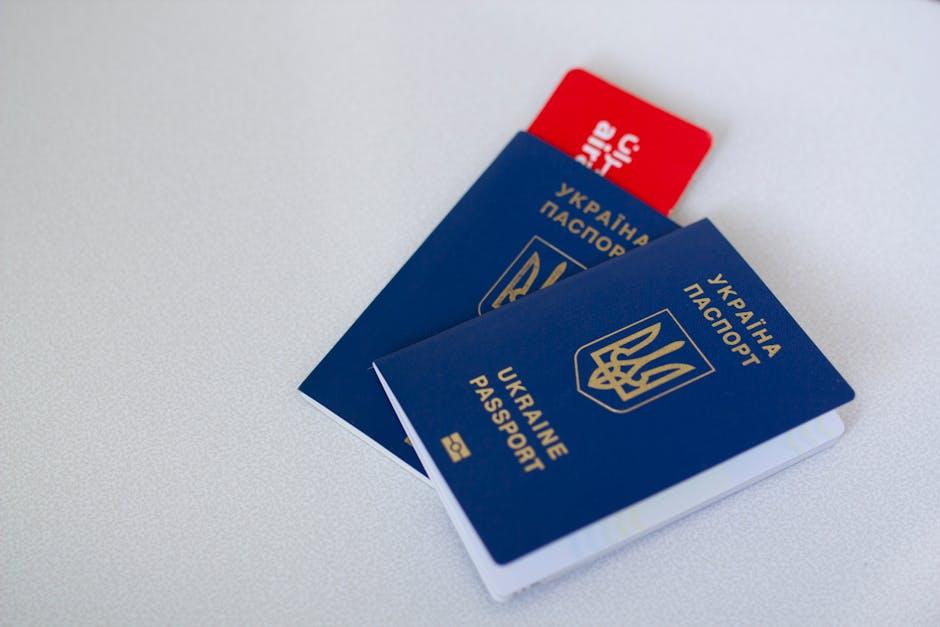
Understanding Dual Identity and Its Cultural Impact
Balancing the nuances of two cultures within one identity often results in a unique, richly textured personal experience. Individuals navigating dual citizenship embrace a world of diversity, where traditions, languages, and values intermingle, offering broader perspectives on life and community. However, this cultural blend can also present challenges such as conflicting social expectations or a sense of divided allegiance, prompting many to re-define what belonging truly means on their own terms.
Beyond the personal, the cultural impact of dual identity extends into society at large. It fosters intercultural dialogue, enhances creative expressions, and promotes a greater appreciation for multiculturalism. The following table highlights some key cultural contributions brought about by dual identities:
| Aspect | Cultural Contribution |
|---|---|
| Language | Enhanced bilingual fluency enriching communication |
| Cuisine | Fusion of diverse flavors and culinary traditions |
| Festivities | Blended celebrations reflecting multiple heritages |
- Identity Flexibility: Ability to adapt and integrate different cultural norms.
- Social Networks: Access to diverse communities and support systems worldwide.
- Creative Innovation: Inspiration from multiple backgrounds driving arts and innovation.
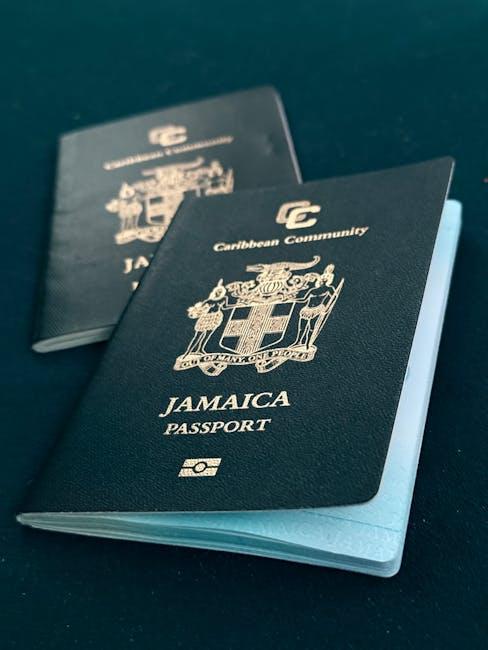
Legal Frameworks Governing Dual Citizenship Across the Globe
Across continents, the legal stance on holding two passports simultaneously varies dramatically, shaped by historical, political, and social nuances unique to each nation. Countries generally fall into one of three camps regarding dual citizenship: those that embrace it, those that restrict it, and those that forbid it outright. For example, many Western nations such as Canada and the United Kingdom openly support dual citizenship, offering individuals the flexibility to preserve multiple national identities and enjoy broader rights. Conversely, other states prioritize singular allegiance, sometimes mandating the renunciation of any previous nationality for naturalized citizens.
Understanding the complex legal landscape requires examining key elements that define a country’s approach, including:
- Eligibility criteria for holding dual citizenship
- Implications for military service and civic duties
- Tax obligations across borders
- Rights to property ownership and social benefits
| Country | Dual Citizenship Status | Notable Restriction |
|---|---|---|
| United States | Permitted | Military service obligations vary |
| Japan | Generally Not Allowed | Must choose one citizenship by age 22 |
| Brazil | Permitted | No renunciation required for dual nationals |
Balancing Rights and Responsibilities in Two Nations
Living under the umbrella of two legal systems presents a unique blend of privileges and duties. Dual citizens enjoy the ability to participate fully in the cultural, political, and economic life of both countries, but this comes with a need for careful navigation. Understanding the regulations of each nation—ranging from tax obligations to civic duties—is essential to maintain compliance and avoid conflicts. Responsibilities like voting, jury service, or mandatory military enlistment may differ significantly, requiring dual citizens to stay informed and proactive about their obligations on both fronts.
Balancing these sometimes competing responsibilities calls for robust awareness and strategic planning. Here are some critical areas where dual citizens must harmonize their rights and duties:
- Tax Filing: Ensuring that income earned worldwide is reported correctly to avoid legal penalties.
- Travel Regulations: Using the appropriate passport when entering or leaving each country to respect border laws.
- Political Participation: Exercising voting rights responsibly while understanding limitations imposed by residency or age.
- Legal Conflicts: Navigating differences in legal systems to manage contracts, property laws, or family matters effectively.
| Responsibility | Country A | Country B |
|---|---|---|
| Military Service | Optional | Mandatory |
| Voting Rights | All levels of government | National only |
| Income Tax Filing | Worldwide income | Residency-based |
| Passport Usage | Use A for exit and entry | Use B for exit and entry |
Challenges and Opportunities in Employment and Travel
Holding dual citizenship often opens doors to a unique blend of employment opportunities across borders, allowing individuals to leverage labor markets in two countries. This dual advantage can lead to career growth, access to wider professional networks, and the ability to take advantage of tax benefits or social security systems in both nations. However, navigating the legal and bureaucratic complexities can pose significant challenges. Conflicts in employment laws, visa restrictions, and the intricacies of tax residency rules require dual citizens to stay vigilant and proactive to avoid pitfalls that might arise from overlapping or contradictory obligations.
Travel, another pivotal aspect of dual citizenship, offers unparalleled freedom. Yet, it comes paired with its own set of hurdles — from understanding which passport to use for entry and exit to managing visas and complying with customs regulations that differ by nationality. To highlight the nuanced landscape, consider this simple comparison of travel privileges:
| Citizenship | Visa-Free Countries | Special Restrictions |
|---|---|---|
| Country A | 150 | Work permits required in 5 major economies |
| Country B | 180 | Mandatory exit tax for stays over 6 months |
Mastery of these layers unlocks the true potential of dual citizenship but requires a balance of informed planning and legal advice to ensure each journey, whether professional or personal, is smooth and beneficial.
Practical Steps for Managing Dual Citizenship Effectively
Balancing the privileges and responsibilities of dual citizenship requires intentional organization and ongoing management. First, maintaining clear documentation of both passports, residency permits, and any relevant legal paperwork is essential. This simplifies travel plans and ensures quick access to consular assistance when needed. Additionally, staying informed about tax obligations, voting rights, and military service requirements for both countries can prevent legal complications. Consider setting calendar reminders for important deadlines such as passport renewals or tax submissions to stay ahead.
Creating a reliable support network is equally important for navigating dual identity smoothly. This network can include legal advisors, tax consultants, and community groups who understand the nuances of dual citizenship. Here’s a simple checklist to keep dual citizens on track:
- Regularly update legal documents and certificates.
- Keep informed about changing laws in both countries.
- Maintain transparent communication with family and local authorities.
- Plan finances with awareness of international tax laws.
- Engage in cultural activities to nurture both identities.
| Action | Benefit |
|---|---|
| Passport renewal checks | Avoid travel disruptions |
| Consult tax experts | Prevent double taxation |
| Community involvement | Enhance cultural connection |
| Legal status reviews | Compliance with local laws |
The Conclusion
In the complex tapestry of modern identity, holding two citizenships is both a privilege and a puzzle—offering expansive opportunities while demanding careful navigation of legal responsibilities. As borders blur and cultures intertwine, dual citizenship becomes more than just a status; it is a lived experience of belonging to multiple worlds. Embracing this duality requires not only understanding the rights it confers but also respecting the duties it entails. In this evolving landscape, those with two citizenships stand at a unique crossroads, shaping their own paths amid the confluence of laws, loyalties, and identities. Ultimately, navigating dual citizenship is a journey of balance—a dance between connection and commitment that reflects the diverse, interconnected world we inhabit.




