
In an increasingly interconnected world, the lines that once rigidly defined nationality and mobility are becoming more fluid. The concept of holding just one passport—a single key to a lifetime of travel and identity—is giving way to a new phenomenon: dual citizenship. This emerging trend is not merely about possessing two travel documents; it’s about unlocking a realm of possibilities that transcend borders. From enhanced global access and economic opportunities to enriched cultural experiences and security net benefits, dual passports are reshaping how individuals navigate the complexities of modern life. This article delves into the rise of dual passport advantages, exploring how this duality serves as a passport to freedom in both literal and metaphorical senses, and what it means in the broader context of identity, mobility, and belonging.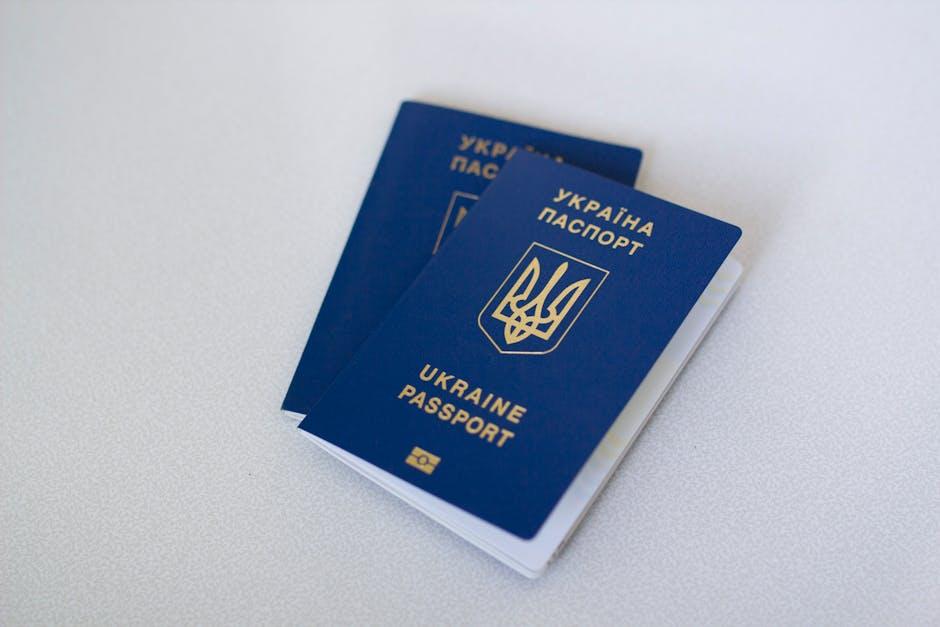
The Global Passport Landscape and Emerging Trends
Across continents, the global passport landscape is evolving rapidly, reflecting shifts in geopolitics, technology, and individual mobility desires. More nations are introducing innovative policies that not only streamline the acquisition process but also emphasize flexibility in travel freedoms. In this climate, the traditional single-passport model often feels restrictive, pushing global citizens towards embracing dual citizenship as a dynamic avenue. This trend is propelled by the realization that holding two passports can unlock unique benefits such as access to wider visa-free travel options, diversified economic opportunities, and a safety net in uncertain political climates.
This emerging passport paradigm is supported by several compelling benefits that resonate globally:
- Enhanced Economic Mobility: Dual passports facilitate cross-border business ventures and access to multiple job markets.
- Political and Social Security: They provide protection from political instability, allowing for easier relocation and family safety measures.
- Tax Optimization: Access to various tax regulations and treaties can lead to financial advantages.
- Educational Opportunities: Access to scholarships and in-state tuition benefits in different countries.
| Passport Type | Visa-Free Countries | Average Processing Time | Key Advantage |
|---|---|---|---|
| Country A | 180 | 2 months | Strong travel access |
| Country B | 140 | 4 months | Business-friendly policies |
| Dual Passport | Combined 320+ | Varies | Maximized global freedom |

Navigating Legal Complexities in Dual Citizenship
Dual citizenship opens a world of opportunities, yet it often comes entangled with a web of legal intricacies. Understanding the laws of both countries is crucial, as regulations can vary drastically—from taxation and military service to voting rights and property ownership. Ignorance of these nuances can lead to unexpected obligations or even legal conflicts. To navigate this, it’s essential to maintain clear communication with legal experts in both jurisdictions and keep up-to-date with evolving immigration policies.
Beyond national laws, international agreements play a pivotal role in shaping the experience of dual citizens. Consider these key aspects when managing your status:
- Tax treaties: Avoid double taxation by understanding the agreements between countries.
- Consular protection: Know which nation can provide assistance in foreign lands.
- Inheritance laws: Plan assets carefully to comply with both legal systems.
- Travel restrictions: Be aware of potential visa exemptions or limitations.
| Legal Factor | Potential Challenge | Mitigation Strategy |
|---|---|---|
| Tax Residency | Double tax filing | Consult tax treaties & accountants |
| Military Service | Compulsory enlistment | Seek exemption or deferment |
| Voting Rights | Conflicting political obligations | Clarify rights with authorities |
Economic and Lifestyle Benefits of Holding Two Passports
Holding two passports unlocks a world of financial opportunities and conveniences that can significantly elevate one’s quality of life. From tax optimization to investment diversification, dual nationals enjoy the flexibility to leverage beneficial fiscal environments tailored to their unique circumstances. For instance, some may manage to legally reduce tax burdens by choosing the residency status that best aligns with their financial goals, thereby maximizing savings and income potential. Additionally, owning two passports can open doors to exclusive property markets and business ventures otherwise limited to locals, expanding one’s portfolio and generating additional revenue streams.
On a lifestyle level, having dual citizenship enriches personal freedom and access to essential services in multiple countries. This means smoother processes for healthcare access, education, and social security benefits, making life less bureaucratic and more convenient. Traveling becomes a breeze, too — visa-free access to numerous countries enhances mobility for work or leisure, transforming the way one engages with the world. This duality grants an unmatched sense of security and flexibility, empowering individuals to live, work, and retire where they truly feel at home.
- Tax advantages: Potential to select advantageous tax jurisdictions
- Investment access: Eligibility to invest in local markets without restrictions
- Social benefits: Access to healthcare and education systems in two countries
- Travel freedom: Visa-free or visa-on-arrival access to more destinations
| Benefit | Single Passport | Dual Passport |
|---|---|---|
| Visa-Free Countries | 50+ | 150+ |
| Investment Opportunities | Limited | Expanded |
| Tax Optimization | Restricted | Flexible |
| Access to Healthcare | One Country | Two Countries |
Strategies for Choosing the Right Second Passport
When selecting a second passport, it’s essential to align your choice with your unique lifestyle, financial goals, and travel aspirations. Consider factors like visa-free access to desired destinations, tax implications, and the ease of visa requirements for your primary country of citizenship. Prioritize nations offering strong global mobility—this often means the difference between seamless international business ventures and tiresome bureaucratic hurdles. Additionally, some countries provide residence-inclusive passports, which can be a powerful catalyst for entrepreneurship or retirement plans abroad.
Another dimension to evaluate is the legal framework surrounding citizenship acquisition, including investment thresholds, naturalization timelines, and family inclusivity. Flexibility is key—look for programs that accommodate dependents, simplify dual citizenship recognition, and respect your original nationality. Below is a quick comparison of popular second passport options, showcasing their core highlights:
| Country | Visa-Free Countries | Citizenship Option | Investment Requirement |
|---|---|---|---|
| Portugal | 187 | Naturalization | €350,000 (Real Estate) |
| St. Kitts & Nevis | 156 | Economic Citizenship | $150,000 (Donation) |
| Malta | 185 | Naturalization | €600,000 (Contribution & Investment) |
| Dominica | 144 | Economic Citizenship | $100,000 (Donation) |
Maximizing Opportunities Through Dual Passport Planning
Navigating the intricate world of global mobility becomes seamless when you hold the keys to two nations. A dual passport not only broadens horizons but also provides a strategic advantage in global business, travel, and residency options. From bypassing visa restrictions to enjoying tax benefits, the advantages stretch far beyond the mere convenience of carrying two passports. Key to this approach is understanding each country’s legal frameworks to optimize benefits without complicating your financial or legal obligations.
Strategic planning involves weighing factors such as citizenship application criteria, travel freedom, and access to healthcare or education. Consider the following aspects when assessing opportunities:
- Visa-Free Travel: Gain access to a broader range of countries for personal and business travel.
- Tax Planning: Leverage tax treaties and residency rules to minimize liabilities.
- Investment and Business: Unlock new markets and establishment rights unavailable to single-citizenship holders.
- Education Benefits: Access to educational systems and scholarships for family members.
| Benefit | Single Passport | Dual Passport |
|---|---|---|
| Travel Freedom | Up to 60 countries | 120+ countries |
| Tax Flexibility | Limited | Extended options |
| Business Expansion | Restricted | Global access |
| Healthcare Access | Domestic only | Dual systems |
Key Takeaways
As the world becomes ever more interconnected, the allure of dual citizenship transcends mere convenience—it embodies a new kind of freedom. Unlocking borders is no longer just a metaphor; it’s a lived reality for those who navigate the complexities of identity, opportunity, and belonging through multiple passports. While the advantages are compelling, they also invite thoughtful reflection on the responsibilities and ethical considerations that accompany this global mobility. In embracing dual citizenship, we glimpse a future where borders bend, not break, redefining what it means to belong in an increasingly borderless world.




