
In a world where the lines that separate nations have long dictated identity, allegiance, and opportunity, a new phenomenon is quietly reshaping our sense of belonging: joint citizenship. Living between borders—holding the passports and privileges of two or more countries—is no longer the exception but an emerging norm for millions. This article explores the rise of dual and multiple citizenships today, unraveling the complex layers of legality, culture, and personal identity that come with straddling national boundaries. As globalization weaves tighter connections and migration patterns evolve, the concept of citizenship itself transforms, inviting us to rethink what it really means to belong.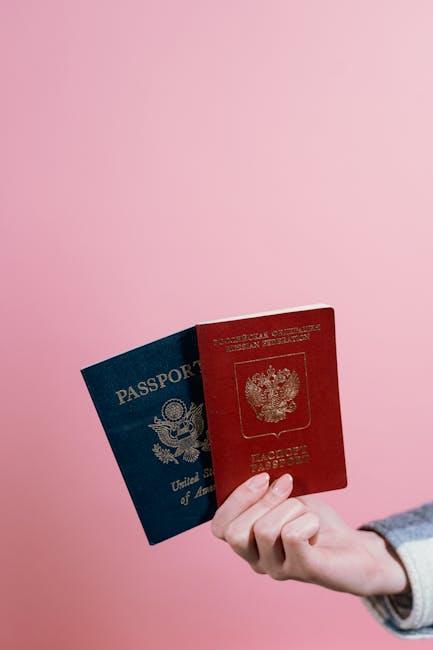
Living Between Borders: Embracing Dual Identity in a Connected World
In our hyper-connected era, crossing geographical and cultural boundaries has become a norm rather than an exception. Individuals who hold joint citizenship live a unique fusion of identities, navigating the blend of traditions, languages, and legal frameworks. This fluidity enriches personal perspectives, allowing people to unlock opportunities and create a sense of belonging in multiple societies simultaneously. However, this dual identity also demands a delicate balance, as citizens often juggle differing expectations and legal responsibilities that come with their intertwined affiliations.
Embracing this dual identity offers several remarkable benefits:
- Access to broader educational, professional, and social networks.
- Enhanced cultural empathy and global outlook.
- Increased political participation across countries.
- Greater flexibility for travel and residency options.
| Aspect | Single Citizenship | Dual Citizenship |
|---|---|---|
| Legal Rights | Restricted to one nation’s laws | Subject to dual legal systems |
| Travel | One passport | Multiple passports for ease |
| Identity | Unified cultural identity | Rich multicultural connection |

Navigating Legal Complexities and Rights in Joint Citizenship
Establishing joint citizenship often feels like stepping into a legal labyrinth where every turn presents new questions. Understanding how two different legal systems interact is crucial for anyone straddling this dual-national identity. Rights and obligations can vary widely — from tax liabilities and voting rights to mandatory military service. For instance, some countries allow dual citizens to enjoy full political participation, while others restrict it, influencing how individuals engage with their respective states.
It’s essential to keep track of the nuances of compliance and privileges. Below is a simplified comparison of how two hypothetical countries might manage key rights for joint citizens:
| Right/Obligation | Country A | Country B |
|---|---|---|
| Voting Rights | Full participation | Limited to local elections |
| Taxation | Worldwide income taxed | Tax only on domestic income |
| Military Service | Mandatory until 30 years | Voluntary enlistment |
| Passport Use | Dual passports allowed | Requires declaration on entry |
- Stay informed: Regularly check legal updates in both countries to avoid unexpected consequences.
- Consult experts: Legal advice can clarify complex conflicts between citizenships.
- Document thoroughly: Keep all paperwork up to date to prove status when necessary.
Cultural Enrichment and Challenges of Holding Multiple Nationalities
Holding multiple nationalities introduces a tapestry of cultural richness that profoundly shapes an individual’s worldview. The fusion of traditions, languages, and customs creates a dynamic identity that transcends borders, fostering empathy and global awareness. People with joint citizenship often act as cultural bridges, facilitating intercultural dialogue and exchanging ideas that might otherwise remain siloed. This unique positionality can lead to enhanced creativity, adaptability, and a more nuanced appreciation of diversity, nurturing personal growth and deeper connections in an increasingly interconnected world.
However, navigating the legal and bureaucratic labyrinth of dual or multiple citizenships can present significant challenges. Conflicting laws on taxation, military service, and political rights can lead to complex dilemmas, sometimes forcing individuals to prioritize one nationality over another. The emotional burden of divided loyalties may also emerge, especially during geopolitical tensions. Below is a quick look at some common challenges faced:
- Legal Conflicts: Differing regulations and obligations.
- Travel Restrictions: Varied visa requirements and border controls.
- Identity Struggles: Balancing allegiances and cultural expectations.
| Aspect | Potential Challenge | Opportunity |
|---|---|---|
| Legal | Taxation complexities | Access to social services |
| Social | Conflicting cultural expectations | Richer interpersonal networks |
| Political | Voting restrictions | Expanded civic participation |
Economic Opportunities and Responsibilities for Dual Citizens
Navigating the economic landscape as a dual citizen opens a dynamic spectrum of possibilities and obligations. On one hand, individuals can capitalize on the unique financial advantages that arise from having access to multiple markets, diverse job opportunities, and the ability to invest across borders. This economic fluidity often translates into enhanced entrepreneurial potential, where business ventures thrive by leveraging varied regulatory environments and consumer bases. However, with these opportunities come equally significant duties, including fulfilling tax obligations in more than one nation and understanding the compliance frameworks that govern income and assets on a global scale.
The dual citizen’s economic experience can be summarized as a balance between opportunity and responsibility, where prudent management of their multinational status is key to maximizing benefits. Some practical considerations include:
- Understanding and adhering to dual tax treaties to avoid double taxation.
- Assessing eligibility for social security benefits in each country.
- Managing currency exchange risks when earning and spending in different denominations.
- Evaluating investment opportunities that span multiple regulatory jurisdictions.
| Economic Aspect | Opportunities | Responsibilities |
|---|---|---|
| Employment | Access to jobs in both countries | Compliance with labor laws and taxation |
| Investment | Diverse asset portfolio options | Understanding cross-border regulations |
| Social Benefits | Eligibility for multiple social safety nets | Proper contributions and declarations |
Policy Recommendations for Supporting Healthy Dual Citizenship Frameworks
To foster thriving dual citizenship frameworks, governments must prioritize flexible legal pathways that respect both the rights and responsibilities of individuals holding multiple nationalities. This involves not only simplifying the acquisition process but also creating mechanisms for seamless interaction between countries on issues such as taxation, social security, and voting rights. For instance, bilateral agreements that recognize social benefits or tax treaties can prevent double taxation and enhance economic stability for dual citizens.
- Develop comprehensive information hubs on dual nationality rights and obligations
- Encourage intergovernmental dialogue to harmonize policies affecting dual citizens
- Implement clear anti-discrimination laws protecting dual nationals in employment and civil services
Policy makers should also emphasize cultural and educational initiatives that empower dual citizens to embrace their complex identities without fear of exclusion or divided loyalty. Encouraging community programs and bilateral cultural exchanges enriches a shared sense of belonging and mitigates tensions arising from competing national narratives. Below is a simplified comparison of policy focus areas that can enhance the dual citizenship experience:
| Policy Aspect | Supportive Measures | Potential Impact |
|---|---|---|
| Legal Framework | Clear rights & responsibilities | Legal certainty & protection |
| Economic Integration | Tax agreements & social benefits | Financial stability & growth |
| Cultural Inclusion | Community & exchange programs | Identity affirmation & social cohesion |
Concluding Remarks
As the world grows increasingly interconnected, the concept of belonging is evolving beyond the rigid lines on a map. Joint citizenship, once a rarity, now reflects a dynamic reality where identities overlap, cultures blend, and borders become less about division and more about connection. Living between borders challenges us to rethink notions of nationality, loyalty, and community in a way that embraces complexity without losing sight of shared humanity. In this unfolding story, dual or multiple citizenships are more than legal statuses—they are testaments to a world in motion, where the future of belonging is as fluid and diverse as the people who shape it.




