
In a world increasingly defined by movement and connection, the concept of nationality has grown more fluid—and with it, the experience of holding dual citizenship. Navigating dual nationality is a journey at the crossroads of identity and rights, where individuals grapple with the blend of cultures, legal responsibilities, and personal allegiances. This article embarks on an exploration of what it means to live between two nations, examining the unique opportunities and challenges that arise as dual nationals strive to balance the threads of their intertwined identities while securing the protections and privileges granted by each homeland.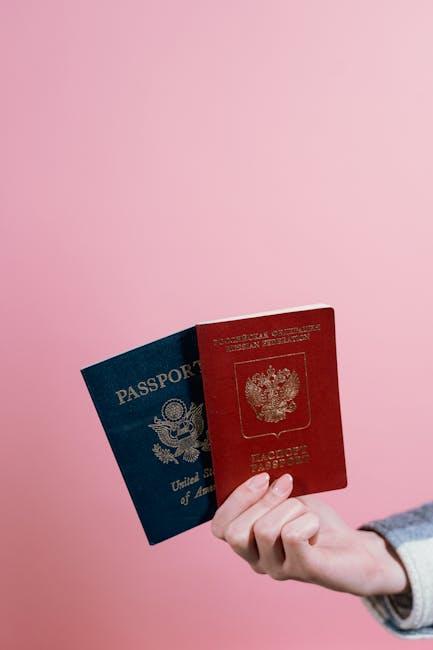
Understanding the Complexities of Dual Nationality
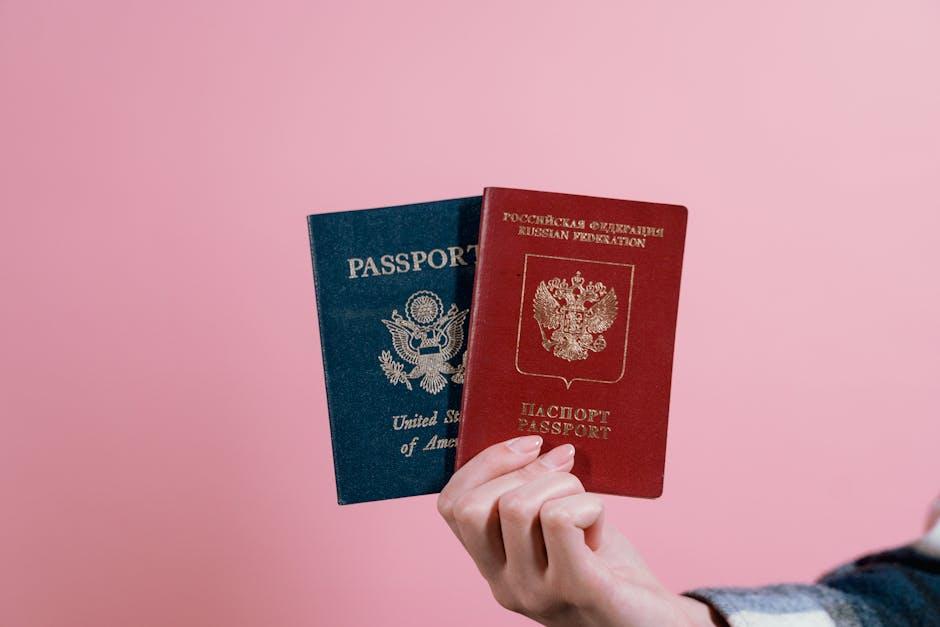
Claiming dual nationality opens doors to a mosaic of cultural experiences and legal frameworks, yet it also introduces intricate challenges that require careful navigation. Balancing the emotional ties of heritage with the pragmatic aspects of citizenship laws can often feel like walking a tightrope. For many, it’s not just about possessing two passports; it’s about harmonizing differing obligations, such as taxation, military service, and civic duties. Moreover, the emotional complexity grows when loyalties to two homelands intersect with political tensions or contrasting social norms, compelling individuals to constantly renegotiate their personal and social identities.
The legal landscape surrounding dual nationality is anything but uniform, varying considerably from country to country. Some nations permit dual citizenship freely, viewing it as an asset in our globalized world, while others restrict or outright forbid it due to concerns about allegiance and national security. Below is a simplified overview highlighting the typical legal stances regarding dual nationality:
| Country Type | Dual Nationality Policy | Common Restrictions |
|---|---|---|
| Open | Permits dual nationality without limitations | Minimal or no restrictions |
| Conditional | Allows dual nationality with specific conditions | May require declaration or relinquishing other citizenship |
| Restrictive | Limited acceptance of dual citizenship | Often forbids for certain public roles or military service |
| Prohibitive | Disallows dual nationality | Mandatory renunciation of previous citizenship |
Understanding these distinctions is crucial for anyone considering or currently holding dual nationality. It empowers individuals to anticipate legal hurdles, maintain compliance with both countries’ laws, and protect their fundamental rights without compromising their diverse cultural identities.
Embracing Cultural Identity While Managing Legal Obligations
Balancing the rich tapestry of cultural heritage with the practical demands of legal frameworks often requires a nuanced approach. Dual nationals embrace the values, traditions, and languages of multiple cultures, weaving these elements into their daily lives to create a unique identity. However, recognizing the importance of these cultural ties also means acknowledging the complexity of legal responsibilities—such as tax compliance, military service obligations, or voting rights—that come with holding citizenship in more than one country. This delicate equilibrium demands a proactive mindset, where understanding the laws and customs on both sides is as important as honoring personal and familial histories.
To navigate this terrain successfully, individuals can benefit from adopting several key practices that respect both cultural expression and legal duty:
- Stay Informed: Regularly update yourself on the legal requirements of both countries.
- Seek Professional Advice: Consult with legal or immigration experts to clarify complex obligations.
- Maintain Open Communication: Engage with community organizations that support dual nationals.
- Document Your Status: Keep all official documents and records current and accessible.
| Aspect | Cultural Expression | Legal Obligation |
|---|---|---|
| Language | Celebrate through family traditions | Language certification for certain civic processes |
| Festivals | Participate in cultural celebrations | Comply with local public event regulations |
| Residency | Choose where to live based on personal identity | Meet residency requirements for legal rights |
Navigating Citizenship Rights Across Different Countries
Understanding the scope and limitations of citizenship rights can be a labyrinthine task, especially when managing dual nationality. Each country has its own legal framework defining what rights and responsibilities come with citizenship. For instance, some nations may permit dual citizens to vote and hold office simultaneously, while others might enforce restrictions or require the renunciation of prior citizenships. Individuals navigating these complexities often find it critical to thoroughly research legal protections, social benefits, and tax obligations in each jurisdiction to fully leverage their dual status without inadvertently violating any laws.
In practical terms, dual nationality can offer benefits such as ease of travel, work, and residence, but it may also introduce challenges related to legal conflicts or bureaucratic hurdles. Below is a brief overview showcasing how citizenship rights differ for dual nationals across selected countries:
| Country | Voting Rights | Military Service | Tax Obligations |
|---|---|---|---|
| Canada | Full Rights | Exemptions Possible | Worldwide Income Taxed |
| Japan | Restricted | Mandatory | Income Tax on Domestic Earnings |
| Italy | Full Rights | Voluntary | Domestic and Foreign Income Taxed |
| Brazil | Full Rights | Mandatory | Tax on Worldwide Income |
Ultimately, the path to balancing identity and legal rights requires a nuanced approach. Stay informed about visa rules, diplomatic protections, and social services access in each nation. Remember that dual nationality is not just a legal status but a dynamic experience shaped by the interplay of culture, law, and personal journey.
Practical Strategies for Maintaining Dual National Status
Successfully juggling two national identities requires not just legal understanding but also practical day-to-day management. One effective approach is to maintain clear and organized records of all official documents—passports, visas, tax papers, and citizenship certificates. Secure digital and physical copies can save time and stress during travel or when dealing with government authorities. Additionally, staying updated on the constantly evolving immigration laws and bilateral agreements between your countries of nationality is crucial, as this knowledge helps prevent inadvertent loss of rights or conflicts with either jurisdiction.
Creating a balanced routine to honor both cultures can deepen your connection and provide emotional stability. This might include participating in cultural events, learning languages, and engaging with community groups from both heritages. At the structural level, consider these strategies:
- Regularly review dual tax obligations with a specialist to avoid penalties
- Utilize consular services for dual nationals, often underused resources
- Plan extended stays and residency requirements in each country to keep rights intact
| Strategy | Benefit | Action Tip |
|---|---|---|
| Document Organization | Reduces legal complications | Use a secure digital vault |
| Legal Updates | Maintains nationality status | Subscribe to official government newsletters |
| Cultural Engagement | Enhances personal identity | Attend festivals and language classes |
Balancing Personal Connections and Political Responsibilities
Juggling the emotional ties to multiple homelands often requires delicate navigation, where personal relationships intersect with civic duties. Maintaining close bonds with family, friends, and cultural roots can reinforce a sense of belonging, yet it may also conflict with the different legal and political expectations set forth by each nationality. The key lies in creating a harmonious balance where one honors familial traditions and social connections without compromising the responsibilities owed to each country’s governance and community welfare.
Successful dual nationals often develop unique strategies to manage these overlapping spheres. These may include:
- Prioritizing transparent communication with relatives and local communities to align mutual understanding of political limitations and obligations.
- Engaging in informed participation by staying updated on current events and laws in both nations, which empowers individuals to make conscientious choices.
- Establishing personal boundaries to navigate potential conflicts arising from differing national interests or cultural expectations.
| Aspect | Personal Connection | Political Responsibility |
|---|---|---|
| Time Commitment | Visits, celebrations | Voting, civic duties |
| Emotional Investment | Family, tradition | National welfare, policy engagement |
| Potential Conflict | Emotional strain | Legal compliance |
The Conclusion
In the intricate dance of dual nationality, individuals weave together threads of identity, culture, and legal rights, crafting lives that transcend borders. Balancing these elements requires not only understanding the privileges and responsibilities that come with holding more than one nationality but also embracing the rich complexity of belonging to multiple worlds. As global connections deepen and migration patterns evolve, the conversation around dual nationality will continue to challenge and redefine notions of identity and citizenship—inviting each of us to rethink what it truly means to call a place home.




