
In an increasingly interconnected world, the concept of citizenship is evolving beyond birthright and heritage. Global passports, once symbols of national identity, have taken on new dimensions as gateways to opportunity, mobility, and economic freedom. Among the most intriguing developments is the rise of investment citizenship programs—schemes where countries offer passports in exchange for financial contributions or investments. This phenomenon not only reshapes how individuals navigate borders but also transforms the economic landscapes of nations seeking to attract global capital. In this article, we explore the countries leading the charge in offering investment citizenship, unveiling the benefits, challenges, and nuances of holding a passport that is as much an asset as it is a legal document.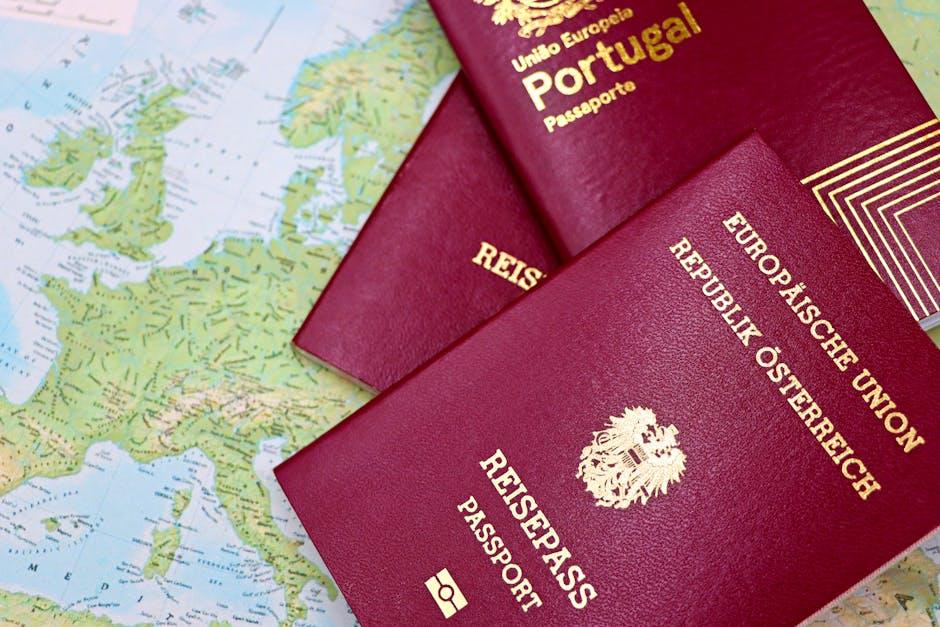
Understanding Investment Citizenship Programs Around the World
Investment citizenship programs have transformed the landscape of global mobility by allowing wealthy individuals to acquire new passports through financial commitments. These programs, often referred to as “golden visas” or “economic citizenship,” enable investors to bypass traditional naturalization processes. Countries craft these offers seeking to attract capital inflows, boost real estate markets, or stimulate economic development. Typically, the options include direct monetary contributions to a national fund, investments in government-approved projects, or real estate purchases.
Each nation structures its program uniquely, with varying thresholds, residency requirements, and processing times. The following table highlights a snapshot of some leading programs, reflecting the diversity and sophistication of options now available globally:
| Country | Minimum Investment | Residency Requirements | Passport Processing Time |
|---|---|---|---|
| St. Kitts & Nevis | $150,000 (Donation) | None | 3-6 months |
| Portugal | €280,000 (Real Estate) | 7 days/year | 10-12 months |
| Malta | €650,000 (Contribution + Investment) | 12 months residency | 12-14 months |
| Turkey | $400,000 (Real Estate) | None | 3-6 months |
Beyond the table, some programs bundle benefits such as visa-free travel to dozens of countries, tax incentives, and the option to include family members under a single application. With this in mind, potential investors often weigh factors such as program transparency, geopolitical stability, and compliance with international regulations before committing. Understanding these multidimensional elements ensures a smart, secure step towards acquiring a passport that opens doors worldwide.
- Due diligence processes differ by country, impacting timelines and eligibility.
- Investment diversity ranges from government bonds to luxury real estate.
- Residency obligations can be minimal or more stringent, affecting lifestyle choices.

Key Benefits and Risks of Acquiring a Second Passport Through Investment
Investing in a second passport unlocks a unique spectrum of opportunities that extend beyond simple travel convenience. Visa-free access to over 150 countries, enhanced privacy, and robust tax planning options are just the beginning. Many investors relish the ability to diversify their citizenship for greater personal security and economic freedom. Moreover, having an alternate nationality can accelerate global business dealings, opening doors to exclusive financial markets and investment climates. This pathway offers a profound strategic advantage in an unpredictable geopolitical landscape.
However, embracing a second passport is not devoid of challenges. Due diligence and a thorough understanding of legal obligations are paramount, as citizenship-by-investment programs often come with stringent compliance requirements and hefty fees. Potential investors must navigate complex residency rules and occasional restrictions on dual nationality. Additionally, there is an inherent risk of changing government policies which might impact the benefits of the acquired citizenship. Below is a summary table clarifying these key benefits against associated risks:
| Benefits | Risks |
|---|---|
| Expanded global mobility | Possible change in legislation |
| Access to new business ecosystems | High investment thresholds |
| Tax optimization opportunities | Dual citizenship not accepted in all countries |
| Enhanced personal security and freedom | Complex application and documentation process |
Top Countries Offering Competitive Investment Citizenship Options
When it comes to acquiring citizenship through investment, a select group of countries stand out for their attractive benefits and streamlined processes. These nations offer a blend of security, economic incentives, and lifestyle advantages that appeal to savvy global citizens. From stunning island paradises to economic powerhouses, they provide residency and eventual citizenship in exchange for strategic financial contributions, whether through real estate, business investment, or government bonds.
Among the most sought-after destinations are:
- Portugal: Known for its Golden Visa program that combines relatively low investment thresholds with access to the European Union.
- Saint Kitts and Nevis: Offering a fast-track citizenship route through its established investment schemes and no global income tax.
- Malta: Renowned for its thorough due diligence process and the privilege of EU citizenship.
- Dominica: Favored for its affordable investment options and straightforward application process.
- Turkey: Combining a dynamic economy with a comparatively low investment bar for citizenship by property purchase.
| Country | Minimum Investment | Time to Citizenship | Key Benefit |
|---|---|---|---|
| Portugal | €280,000 | 5 years | EU access & visa-free travel |
| Saint Kitts and Nevis | $150,000 | 3 months | No personal income tax |
| Malta | €750,000 | 12-36 months | EU citizenship & strong passport |
| Dominica | $100,000 | 3-6 months | Low-cost citizenship |
| Turkey | $400,000 | 6 months | Growing investment hub |
Essential Criteria and Application Process for Investment-Based Passports
Securing citizenship through investment is a tailored process that blends financial commitment with legal compliance. Applicants must often demonstrate a clean background, prove the legitimacy of their funds, and meet minimum financial thresholds that vary by country. These thresholds might include real estate acquisitions, government bonds, or direct contributions to national development funds. Along with the monetary criteria, candidates are usually required to maintain residency for a specified period, though some nations offer expedited programs with minimal or no physical stay requirements.
Understanding the application journey is crucial. It typically involves submitting detailed documentation, undergoing rigorous due diligence checks, and engaging with legal representatives or authorized agents. The timeline can range from a few months to over a year, depending on the complexity and the country’s regulatory framework. The table below summarizes common elements and timelines found in popular investment citizenship programs:
| Country | Investment Type | Minimum Investment | Processing Time |
|---|---|---|---|
| Malta | Contribution & Real Estate | €650,000 | 12-18 months |
| St. Kitts & Nevis | Donation or Real Estate | $150,000 | 3-6 months |
| Turkey | Real Estate Purchase | $400,000 | 4-6 months |
- Background checks: Mandatory to ensure all applicants meet security standards.
- Proof of funds: Comprehensive documentation verifying the origin and legality of investment capital.
- Residency requirements: Vary widely, with some programs demanding physical presence and others offering remote processing options.
Strategic Tips for Choosing the Right Investment Citizenship Program
When selecting an investment citizenship program, it’s crucial to evaluate the benefits beyond just the initial financial commitment. Focus on factors such as visa-free travel access, the stability of the political environment, and the speed of the application process. Consider also the secondary benefits, like the ability to include family members, residency requirements, and tax implications. Each program may cater differently to your lifestyle and goals, so customizing your choice based on long-term plans will maximize the value of your new passport.
To simplify your decision-making, compare essential features side-by-side:
| Feature | Program A | Program B | Program C |
|---|---|---|---|
| Investment Amount | $250,000 | $500,000 | $1,000,000 |
| Processing Time | 3 months | 6 months | 9 months |
| Visa-Free Countries | 140+ | 130+ | 150+ |
| Family Inclusion | Yes | Yes | Depends |
| Tax Benefits | None | Partial | Full |
- Research local laws: Understanding regional economic and legal conditions can prevent surprises.
- Stay proactive: Investment citizenship laws evolve—keep updated on program modifications.
- Seek expert advice: Professional guidance can navigate complexities and ensure compliance.
Closing Remarks
In a world that grows increasingly interconnected, the allure of global passports offers more than just a new stamp in your travel diary—it opens doors to fresh opportunities, security, and freedom beyond borders. Countries offering investment citizenship present unique paths for those seeking to blend financial strategy with personal liberty, charting new courses in the map of global mobility. As this trend evolves, it invites us to rethink what it means to belong, to invest, and to navigate the landscapes of identity and opportunity in the 21st century. Whether for business, lifestyle, or legacy, these global passports are more than documents—they are keys to new beginnings.




