
In a world increasingly interconnected, the concept of identity stretches far beyond the borders of a single nation. For many, holding two citizenships is more than a legal status—it is a complex journey of balancing heritage, opportunity, and belonging. Navigating dual identity invites individuals to weave together distinct cultural tapestries, often leading to enriching experiences and unique challenges. This article delves into the multifaceted reality of dual citizenship, exploring how people reconcile the privileges and complexities of belonging to two countries at once.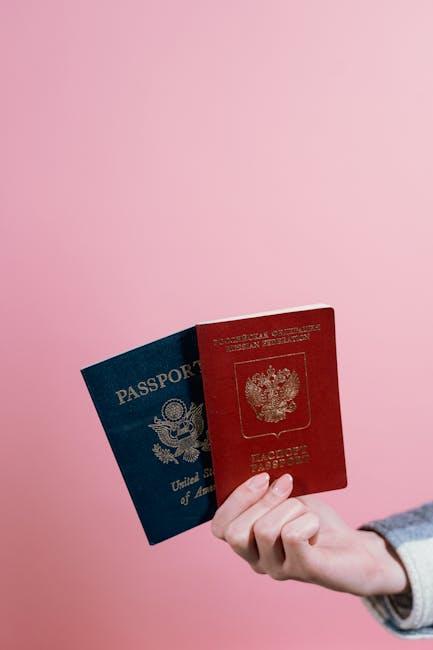
The Complex Landscape of Dual Citizenship Rights and Responsibilities
Embracing dual citizenship often feels like walking a tightrope where the exhilaration of belonging to two nations meets the intricate legal nuances each country demands. With rights that include voting, employment, healthcare access, and property ownership, dual nationals can unlock a world of opportunities. Yet, these privileges come paired with responsibilities that are far from uniform across countries. Navigating tax laws, military service obligations, and even travel restrictions demands vigilance and a deep understanding of both nations’ policies.
Key considerations include:
- Understanding tax treaties and avoiding double taxation
- Staying informed about mandatory civic duties like jury service or conscription
- Maintaining passport validity and choosing the correct travel document when crossing borders
- Complying with any national laws that conflict between the two citizenships
| Aspect | Country A | Country B |
|---|---|---|
| Taxation | Worldwide income taxed | Only domestic income taxed |
| Military Service | Mandatory | Voluntary |
| Voting Rights | Allowed in local & national elections | Only national election voting |
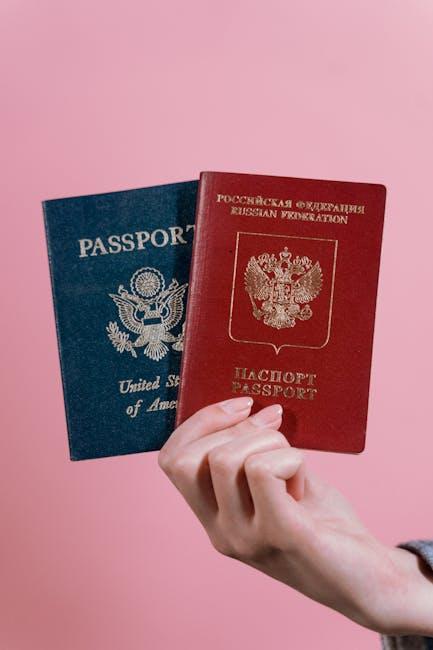
Balancing Cultural Integration and Personal Identity
Living between two worlds means constantly weaving together the threads of diverse cultural norms and personal values. Embracing a dual identity is not about choosing one over the other, but about crafting a unique tapestry that honors both heritages. The challenge lies in maintaining authenticity while adapting to different social landscapes—a delicate dance of respect, understanding, and self-expression. Many find strength in the fluidity that comes with dual citizenship, where the preservation of language, traditions, and rituals offers a refuge amidst shifting environments.
Successfully navigating this journey often involves a conscious effort to harmonize rather than compartmentalize one’s dual affiliations. Here are some effective practices that nurture this balance:
- Celebrate shared values that resonate across both cultures, creating common ground.
- Engage with communities from both cultural backgrounds to foster belonging and support networks.
- Prioritize self-reflection as a tool to understand evolving identity and address cultural conflicts.
| Aspect | Benefits | Potential Challenges |
|---|---|---|
| Language | Enhanced communication skills and cultural access | Potential for language mixing or loss |
| Traditions | Rich cultural heritage and identity reinforcement | Conflicting practices or expectations |
| Social Norms | Broader worldview and adaptability | Stress from navigating contrasting societal rules |
Legal Challenges and Opportunities in Dual Nationality
Holding citizenship in two countries often unfolds as a thrilling tapestry woven with both rights and restrictions. While dual nationality opens the door to diverse legal protections and enhanced mobility, it simultaneously presents a labyrinth of obligations — from filing taxes in multiple jurisdictions to navigating conflicting legal systems. For many, this means carefully balancing between benefiting from dual voting rights and potentially facing compulsory military service in either homeland. This dual reality calls for continuous legal vigilance and sometimes the expert guidance of immigration lawyers.
Considerations for dual nationals include:
- Understanding diverse tax liabilities and reporting requirements
- Complying with distinct civic duties such as jury service or conscription
- Managing passport usage carefully to respect each country’s entry and exit protocols
- Potential complications in property ownership or inheritance laws
| Aspect | Possible Challenge | Opportunity |
|---|---|---|
| Voting Rights | Conflicting political loyalties | Influence in two democratic systems |
| Taxation | Double taxation risk | Access to tax treaties and benefits |
| Military Service | Mandatory conscription conflicts | No service requirement deferment |
Practical Tips for Managing Dual Legal Obligations
Successfully juggling the responsibilities that come with dual citizenship hinges on staying organized and informed. Begin by maintaining a comprehensive calendar that tracks important dates such as tax filing deadlines, passport renewal periods, or voting registration deadlines in both countries. This proactive approach not only helps prevent legal oversights but also offers a clear snapshot of your obligations at a glance. It’s also wise to establish reliable contacts, like legal advisors or consular offices, who can provide guidance tailored to your unique circumstances.
Equally important is understanding the nuances of each country’s legal expectations. Consider creating a quick-reference guide or table that breaks down essential bureaucratic tasks side by side. This can serve as a handy tool when making decisions about where to pay taxes, how to comply with military service requirements if applicable, or managing property ownership laws.
| Obligation | Country A | Country B |
|---|---|---|
| Tax Filing | April 15 | June 30 |
| Passport Renewal | Every 10 years | Every 5 years |
| Voting Eligibility | Online registration | In-person only |
| Military Service | Mandatory, age 18-25 | Voluntary |
Building a Support Network for a Harmonious Dual Life
Creating a strong support network is pivotal when balancing the complexities of two citizenships. It goes beyond family ties and local friendships; it includes connecting with communities that understand the unique challenges and joys of living with a dual identity. Whether it’s cultural groups, expatriate circles, or professional organizations, these networks offer a sense of belonging and validation that transcends borders. Shared experiences cultivate empathy, helping individuals manage the emotional and practical aspects of their intertwined lives with confidence.
To build this network effectively, consider these key elements:
- Diverse Connections: Engage with people from both countries and other dual citizens to broaden perspectives.
- Community Involvement: Participate in cultural events, workshops, or online forums that celebrate dual identity.
- Professional Support: Seek mentors or groups that address legal, financial, and emotional aspects linked to two nationalities.
| Type of Support | Benefits |
|---|---|
| Emotional | Understanding and empathy from those with shared experiences |
| Informational | Guidance on citizenship laws and cultural nuances |
| Social | Opportunities to celebrate and express dual heritage |
| Practical | Access to resources for navigating bureaucracies in both countries |
To Conclude
In the intricate dance of dual identity, holding two citizenships is more than a legal status—it is a continuous journey of balance, discovery, and adaptation. As borders blur and cultures intertwine, those who navigate this path embody a living bridge between worlds, carrying diverse histories and futures within themselves. Their story reminds us that identity is fluid, shaped not just by documents but by experience, connection, and choice. In embracing the complexities of two citizenships, we open a window to a richer, more nuanced understanding of belonging in an ever-changing global landscape.




