
In a world where borders are both bridges and barriers, living with dual nationality has become a quiet testament to the complexity of identity in the 21st century. To hold two passports is to navigate a unique existence—one foot planted in each homeland, carrying the privileges and challenges of belonging twice over. This duality invites a deeper look into what it truly means to live two lives: balancing cultural ties, legal obligations, and personal loyalties in a global landscape that is constantly shifting. “Living Two Lives: The Reality of Dual Nationality Today” explores how individuals around the world are redefining citizenship and identity in an era where belonging is no longer singular but intertwined.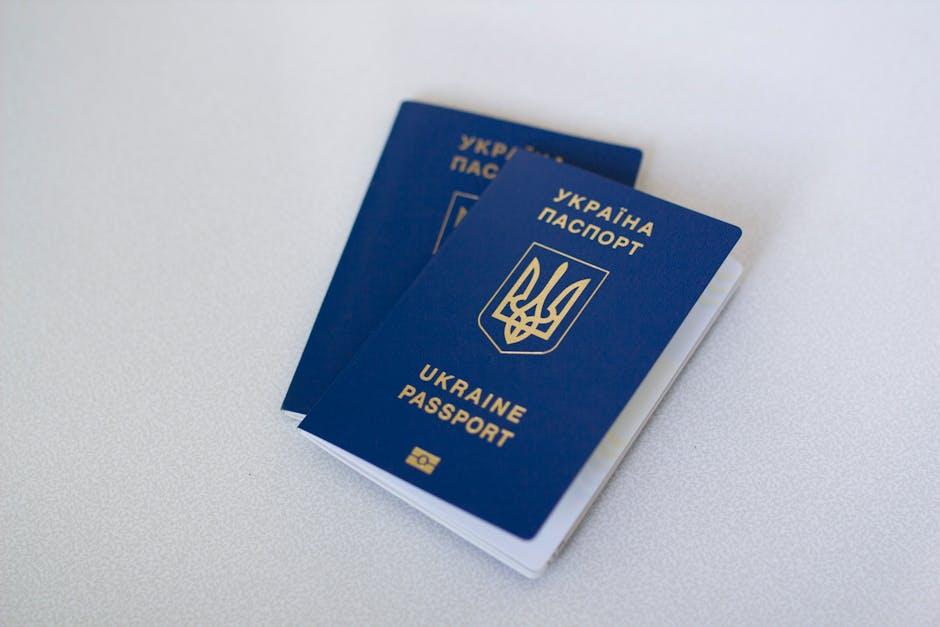
The Complex Identity Dance of Dual Citizens
Balancing two national identities is an intricate choreography that affects more than just paperwork. It weaves itself into the everyday fabric of life — from the language you dream in, to the holidays you celebrate, to the expectations of belonging on both sides. Dual citizens often navigate a kaleidoscope of cultural norms, flipping between distinct worldviews with graceful agility yet sometimes with underlying tension. This complex dance brings a unique sense of freedom but also triggers profound questions about where “home” truly lies.
Within this multifaceted existence, there are both clear benefits and subtle challenges that shape personal and social dynamics:
- Broad cultural literacy — a natural ability to understand and respect diverse traditions.
- Expanded legal rights — access to services and protections from two nations.
- Complex loyalty expectations — sometimes feeling divided when nations face conflicting interests.
- Identity ambiguity — constant self-reflection on what defines belonging.
| Aspect | Dual Citizen Experience |
|---|---|
| Language | Fluid switching, bilingual nuance |
| Festivities | Double the celebrations, occasional cultural clash |
| Legal Rights | Dual privileges, dual responsibilities |
| Sense of Home | Multiple anchors, sometimes displaced |

Navigating Legal Rights and Responsibilities Across Borders
Embracing dual nationality means straddling two legal systems, each with its unique set of rights and obligations. This dual allegiance often requires careful navigation of laws, from voting rights and taxation to military service and property ownership. For instance, while one country may impose mandatory military service, the other might not recognize such requirements, placing dual nationals in a complex position. Balancing these responsibilities demands not only legal awareness but also an ongoing commitment to staying informed about changes on both fronts.
Beyond the legal frameworks, dual nationals must also grapple with practical challenges, such as:
- Travel regulations: Visa requirements and entry rules can differ drastically depending on which passport is used.
- Emergency assistance: Consular support may vary, sometimes complicating aid in times of crisis.
- Taxation policies: Double taxation treaties exist but aren’t always straightforward.
Understanding these facets can empower dual nationals to leverage their unique status confidently, ensuring their rights are protected while honoring their responsibilities on both stages.
| Aspect | Country A | Country B |
|---|---|---|
| Voting Rights | Universal for citizens | Restrictions outside home region |
| Military Service | Mandatory | Voluntary |
| Taxation | Worldwide income taxed | Tax only on local income |
| Consular Support | Available worldwide | Limited to embassies |
Cultural Challenges and Opportunities in a Dual Nationality Lifestyle
Living between two worlds often means navigating a unique blend of cultural nuances, where personal identity is both challenged and enriched. Dual nationals frequently encounter cultural dissonance, facing moments when traditions, social norms, or values from one heritage conflict with those of the other. This can lead to internal questions about belonging and self-definition. However, this very tension fosters a powerful adaptability and intercultural communication skill set, making dual nationals adept at bridging divides and fostering mutual respect in diverse environments.
On the flip side, embracing two cultures opens up a realm of rich experiences and perspectives. Dual nationals benefit from an expanded worldview and increased empathy, providing unique opportunities in both personal and professional arenas. Consider the advantages in social integration and career development, illustrated by the table below:
| Aspect | Opportunities | Challenges |
|---|---|---|
| Social Networks | Broader, diverse connections | Balancing expectations from each community |
| Language Fluency | Multilingual abilities | Maintaining proficiency in both languages |
| Cultural Insights | Enhanced cultural intelligence | Occasional cultural misunderstandings |
- Flexibility: Dual nationals often develop an innate flexibility, smoothly toggling between differing cultural mindsets.
- Identity Enrichment: Exposure to multiple traditions deepens personal identity and self-awareness over time.
- Community Contribution: Those living dual lives often become cultural ambassadors, fostering inclusion and diversity.
Financial Implications and Tax Considerations for Dual Nationals
Juggling financial responsibilities across two countries can be a complex endeavor for dual nationals. Money management doesn’t just involve maintaining multiple bank accounts or adhering to different currencies; it extends deeply into understanding varied financial regulations and tax systems. Dual citizens often face the challenge of navigating tax residency rules, which may obligate them to report income and pay taxes in both nations. This dual obligation can lead to unexpected tax liabilities unless they make use of treaties designed to prevent double taxation. Additionally, issues like currency fluctuations and differing retirement system contributions make financial planning a careful balancing act.
To illustrate, here’s a quick comparison of common tax implications many dual nationals encounter:
| Country A | Country B | Implications |
|---|---|---|
| Global income taxed | Only domestic income taxed | Potential double taxation unless treaty applies |
| Mandatory social security contributions | Voluntary voluntary contributions accepted | Varying social benefits and retirement eligibility |
| Annual tax filing required | No filing if income below threshold | Increased paperwork and compliance requirements |
- Tax treaty utilization: Ensure claiming credits or exemptions where applicable to avoid paying twice.
- Professional advice: Consulting with cross-border financial experts is invaluable for tailored guidance.
- Record keeping: Maintaining comprehensive documentation helps streamline returns and audit processes.
Practical Tips for Embracing and Managing Dual Citizenship
Managing dual citizenship is like becoming fluent in two national identities—you must learn to navigate the legal, cultural, and social terrains of both. A crucial tip is to stay organized. Keep a dedicated folder—digital or physical—for all relevant documents such as passports, residency permits, tax returns, and voting rights paperwork. These will become invaluable when juggling the demands of two nations. Time zone differences can affect deadlines and communication, so setting reminders and maintaining an efficient calendar can prevent last-minute headaches.
Additionally, embrace proactive communication. Understand each country’s legal responsibilities by consulting expatriate groups or legal experts who specialize in dual nationality. Remember, it’s not just about compliance—it’s about maximizing benefits. For example, you could leverage healthcare options available in both countries or participate in cultural events to deepen your sense of belonging. Below is a quick reference table outlining essential areas to monitor:
| Focus Area | Key Action | Benefit |
|---|---|---|
| Legal Documents | Regularly update passports and visas | Seamless travel and residency |
| Taxes | Understand tax filing in both countries | Avoid penalties and optimize returns |
| Healthcare | Review eligibility and coverage | Access to services in emergencies |
| Cultural Engagement | Participate in community events | Stronger personal identity and network |
In Retrospect
Living two lives, in a sense, is more than just a poetic phrase—it’s the lived reality for millions navigating the intricate dance of dual nationality. It is a blend of identities, cultures, and legal landscapes that shape how individuals experience the world and define themselves. As borders become more fluid and societies more interconnected, the story of dual nationality is evolving, reflecting the complexities and opportunities of our global age. Whether viewed as a privilege, a challenge, or a bit of both, living with two passports is ultimately a testament to the multifaceted nature of identity in the 21st century—a continual balancing act where one learns to belong everywhere and nowhere, all at once.




