
In an increasingly interconnected world, the concept of borders is evolving beyond mere geography to become gateways of opportunity. For savvy global citizens, obtaining a second passport or citizenship through investment has transformed from a luxury into a strategic asset—offering enhanced mobility, economic prospects, and security. This article delves into the dynamic landscape of citizenship-by-investment programs, exploring the top countries that open their doors to investors seeking more than just a new address. Join us as we unlock the possibilities behind these modern passports, revealing what makes each destination unique and why they stand out in the competitive world of global citizenship.
Understanding the Appeal of Citizenship by Investment Programs
Modern globalization has shifted the appeal of citizenship beyond mere heritage or birthplace. Increasingly, individuals seek citizenship by investment to strategically unlock travel freedom, diversify assets, and secure a global lifestyle. The allure stems from tangible benefits such as visa-free access to numerous countries, tax advantages, and enhanced personal security. For entrepreneurs and investors, holding a second passport often translates into business agility and expanded opportunities, making citizenship programs an invaluable tool in today’s interconnected world.
These programs are designed with flexibility and speed to attract global investors, combining financial commitment with simplified processes. The attractiveness lies not only in the economic incentives but also in the smooth pathway they offer towards residency and, potentially, full citizenship. Key advantages often highlighted include:
- Visa-free travel to over 150 countries
- Access to superior healthcare and education systems
- Protection of assets under stable jurisdictions
- Opportunity to establish residency in politically stable regions
| Benefit | Description |
|---|---|
| Global Mobility | Travel hassle-free with visa-free or visa-on-arrival access. |
| Financial Flexibility | Optimize taxes and protect wealth internationally. |
| Family Inclusion | Extend citizenship benefits to spouses and children. |
| Security & Privacy | Live and invest in safe, discreet legal frameworks. |
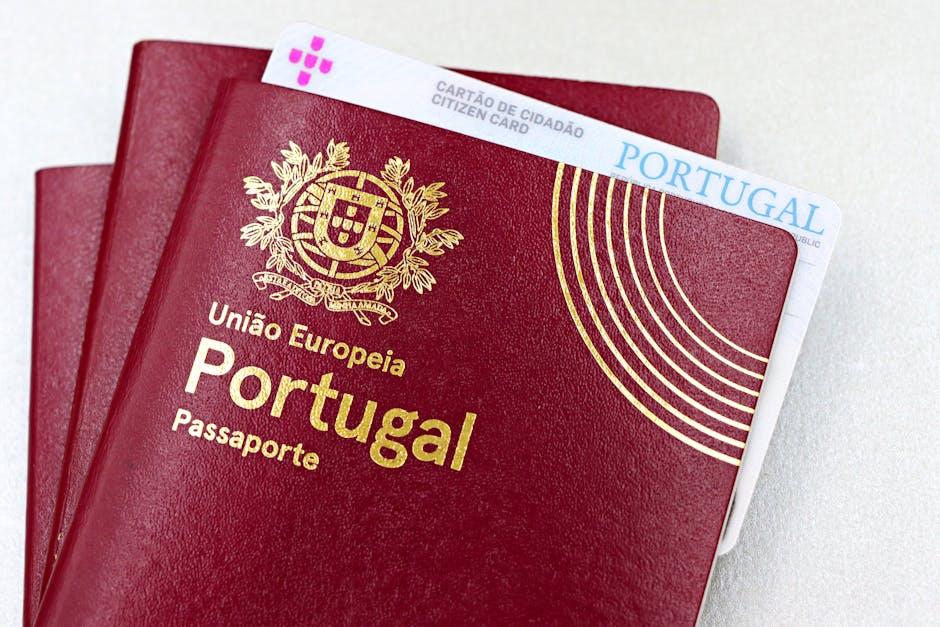
Evaluating Economic and Travel Benefits Across Popular Destinations
When exploring investment citizenship options, it’s crucial to balance the economic advantages with the real-world utility gained from travel freedom. Some countries may boast lower investment thresholds but offer limited visa-free access globally, while others may require a heftier financial commitment in exchange for robust travel privileges. For example, the Caribbean states generally present cost-effective pathways paired with ease of lifestyle and taxation benefits, making them appealing for business investors seeking regional mobility. Conversely, European programs often guarantee extensive Schengen Area access, unlocking seamless movement across 26 countries, which is invaluable for frequent international travelers and entrepreneurs.
Below is a simplified comparison of travel reach and general investment costs to give a snapshot of these critical trade-offs:
| Country | Minimum Investment | Visa-Free Access | Key Economic Benefits |
|---|---|---|---|
| St. Kitts & Nevis | $150,000 (donation) | 156 countries | Strong tax incentives, dual citizenship allowed |
| Portugal | €350,000 (real estate) | 190 countries | Access to EU markets, tax relief for new residents |
| Turkey | $400,000 (real estate) | 110 countries | Strategic Eurasian hub, growing economy |
| Malta | €600,000 (contribution + real estate) | 185 countries | EU membership, favorable financial services sector |
Deciding which program aligns best depends not only on financial capacity but also on goals such as business expansion, lifestyle preferences, and family mobility. The intricate balance between upfront costs, ongoing obligations, and travel possibilities defines the true value of each investment citizenship opportunity.
Assessing Legal Frameworks and Application Requirements
When exploring countries offering citizenship by investment, it’s crucial to analyze not just the financial criteria but the underlying legal systems and procedural norms. Each nation establishes a unique combination of requirements that reflect its political, economic, and social priorities. These frameworks govern everything from background checks to the investment types accepted, influencing how smoothly an application proceeds and the level of government scrutiny faced by applicants. Understanding these nuances can help investors align their personal goals with the specific demands of each jurisdiction.
Key considerations include:
- Verification processes and potential residency obligations
- Acceptable forms of investment, such as real estate, government bonds, or direct business ventures
- Timeframe from application submission to citizenship approval
- Transparency of legal procedures and applicant rights during the process
| Country | Investment Type | Average Processing Time | Residency Requirement |
|---|---|---|---|
| St. Kitts & Nevis | Real Estate / Donation | 4-6 months | None |
| Malta | Donation / Bonds | 12-18 months | 12 months |
| Turkey | Real Estate / Business | 6-9 months | None |
| Dominica | Donation / Real Estate | 3-4 months | None |
Comparing Investment Options and Financial Thresholds
When exploring citizenship by investment programs, understanding the financial requirements is crucial, as it dramatically shapes the accessibility and appeal of each option. Programs vary widely—some demand a substantial non-refundable contribution to a national fund, while others require real estate investments that must be maintained for a number of years. For savvy investors, it’s not just about the amount, but also the structure of investment and potential returns. Consider the balance between immediate costs and long-term benefits, including residency rights, visa-free travel, and the potential for property appreciation.
Here’s a snapshot of popular programs and their financial thresholds:
| Country | Minimum Investment | Investment Type | Additional Fees |
|---|---|---|---|
| St. Kitts & Nevis | $150,000 | Donation to Fund | $7,500 |
| Portugal | €280,000 | Real Estate | Variable Taxes |
| Malta | €650,000 | Mixed (Donation+Property) | €25,000 |
| Dominica | $100,000 | Donation | $25,000 |
This comparative approach enables investors to weigh options on their own terms—whether prioritizing lower upfront costs, property ownership, or EU passport benefits. By matching personal investment goals with program structures, individuals open doors beyond borders with confidence.
Strategic Recommendations for Choosing the Ideal Citizenship Program
When navigating the myriad of citizenship by investment programs, it’s essential to weigh more than just the upfront costs. Factors such as visa-free travel access, geopolitical stability, and the economic outlook of the host country significantly influence the long-term value of your new citizenship. Investors should also consider the processing time and flexibility of residency requirements to ensure the program fits their lifestyle and future plans. A practical approach is to align the chosen program with your personal and professional goals, rather than opting for the most popular or cheapest option available.
To assist in this decision-making, consider these critical elements:
- Transparency and Due Diligence: Programs with clear application processes and strong vetting standards minimize risks.
- Tax Implications: Evaluate how the new citizenship affects your global tax obligations.
- Family Inclusion: Check if dependents and extended family are eligible under the program.
- Dual Citizenship Policies: Confirm whether your home country permits dual nationality to avoid legal complications.
| Key Factors | Importance | Impact on Decision |
|---|---|---|
| Visa-Free Access | High | Unlocks global mobility |
| Processing Time | Medium | Affects planning and urgency |
| Investment Requirements | High | Determines financial commitment |
| Residency Flexibility | Medium | Aligns with personal lifestyle |
| Family Eligibility | High | Secures benefits for dependents |
To Wrap It Up
As the world grows ever more interconnected, the allure of citizenship by investment continues to captivate those seeking new opportunities, freedoms, and horizons. From vibrant islands to dynamic financial hubs, each country reviewed offers a unique passport to broader possibilities—a key not just to travel, but to growth, security, and global belonging. Unlocking borders is no longer a distant dream but a carefully crafted reality, guided by personal goals and thoughtful choices. Whether driven by business ambitions, family future, or lifestyle change, understanding the nuances behind top citizen by investment programs empowers you to step confidently into your next chapter—wherever that may lead.




