
In a world where mobility and identity intertwine, the concept of a single document embodying multiple national ties is becoming more than just a novelty—it’s a bridge spanning cultures, legalities, and personal histories. Dual national passports offer a unique lens through which to explore the evolving dynamics of citizenship and global connectivity. This article delves into how holding more than one passport transforms not only the way individuals navigate borders but also how nations rethink the boundaries of belonging. Join us as we unravel the practicalities, challenges, and profound implications of this powerful emblem of dual identity.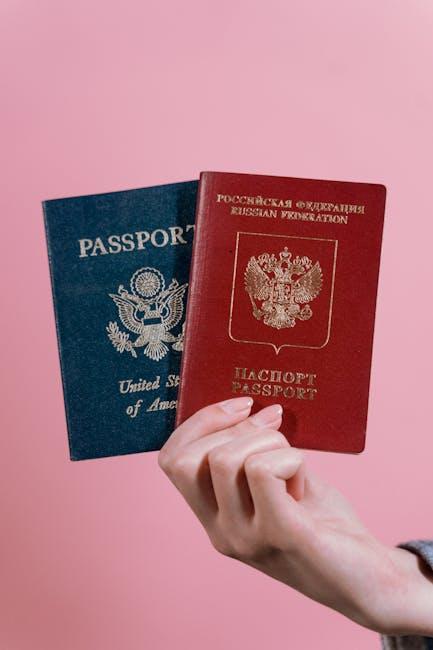
Understanding Dual National Passports and Their Global Impact
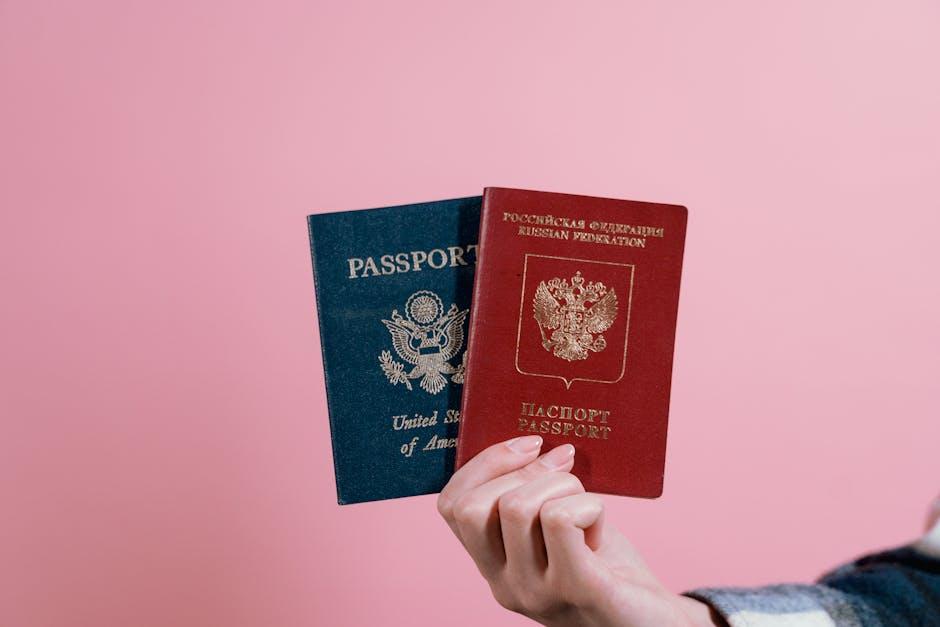
In an increasingly interconnected world, the ability to hold two national passports offers more than just convenience—it creates a powerful gateway for cultural exchange, commerce, and global mobility. Dual national passports serve as symbols of intertwined identities, allowing individuals to navigate diverse legal systems, access broader career opportunities, and foster deeper international relationships. For travelers, this duality often means bypassing visa restrictions and reducing travel time with enhanced border-crossing benefits, effectively turning citizenship into a flexible tool rather than a fixed constraint.
However, the influence of dual national passports extends beyond personal convenience. Governments must balance complex issues such as taxation, security, and political allegiance as dual citizens navigate multiple sovereignties. The chart below highlights some key global impacts that dual nationality brings to the table:
| Aspect | Global Impact | Examples |
|---|---|---|
| Economic | Enhanced cross-border trade and investment opportunities | Business owners leveraging multiple markets |
| Cultural | Preservation and exchange of cultural heritage | Artists producing works influenced by blended identities |
| Legal | Complex citizenship rights and legal responsibilities | Dual tax obligations or voting rights |
- Travel flexibility – Simplified access to multiple regions
- Diplomatic leverage – Enhanced representation through dual allegiance
- Personal identity – Embracing diverse heritage without limits
Navigating Legal Complexities and International Regulations
Holding dual national passports opens a gateway to unparalleled freedom in traveling and living abroad, but it also ushers in a labyrinth of legalities and international protocols. Every country has its own set of rules governing citizenship, passport issuance, and international travel, leading to a patchwork of regulations that can be both complex and dynamic. For example, some nations may not recognize dual citizenship at all, while others impose strict reporting obligations, tax implications, or military service requirements on their dual nationals. Navigating through this intricate web demands careful research and often legal consultation to ensure compliance without jeopardizing one’s rights or status.
Understanding the key regulatory challenges is essential for dual passport holders to avoid pitfalls related to travel bans, visa requirements, or diplomatic protections. Here are some critical factors to keep in mind:
- Conflicting Laws: Differing citizenship laws can cause complications when renewing passports or carrying out consular tasks.
- International Treaties: Bilateral agreements may influence how dual nationals are treated regarding taxation and conscription.
- Border Controls: Some countries require travelers to enter and exit using the same passport, complicating logistics.
- Security Clearances: Dual nationality can impact eligibility for certain government jobs or security clearances.
| Country | Dual Citizenship Allowed | Notable Restriction |
|---|---|---|
| Japan | No | Requires renunciation by age 22 |
| Canada | Yes | Full recognition without restrictions |
| India | No | Offers Overseas Citizenship, not dual citizenship |
| United States | Yes | Potential tax reporting obligations |
Benefits and Challenges for Frequent Travelers and Expats
For those constantly on the move, holding dual national passports often means unlocking a world of conveniences. Frequent travelers and expatriates gain access to more visa-free destinations, streamlining entry processes and reducing wait times at international borders. This duality empowers them with greater flexibility, whether it’s for spontaneous business trips or extended holiday escapes. Moreover, the ability to alternate between passports can sometimes sidestep political tensions or travel restrictions that temporarily affect one nationality.
However, this bridge between two nations isn’t without its complexities. Managing two sets of legal obligations—taxation, military service requirements, or vaccination mandates—can complicate personal and professional lives. Dual nationals must stay vigilant to ensure compliance with both countries’ regulations. Balancing cultural identities and legal responsibilities may sometimes feel like walking a tightrope, where thorough knowledge and planning become essential tools for smooth international living.
- Pros: Expanded travel options, increased privacy, alternate consular support
- Cons: Double paperwork, conflicting laws, potential tax complexities
| Aspect | Benefit | Challenge |
|---|---|---|
| Mobility | Access to 150+ visa-free countries | Border officials may question dual passports |
| Legal | Consular help from two nations | Conflicting legal obligations |
| Cultural | Stronger ties to two homelands | Identity complexities |
Securing Dual National Passports: Best Practices and Application Tips
Navigating the process of acquiring dual national passports requires strategic planning and attention to detail. Start by researching the specific requirements of both countries involved, as regulations can vary dramatically. It’s essential to gather all necessary documents, including birth certificates, proof of citizenship, and any required affidavits. Maintaining clear communication with consular offices is also crucial; these agencies often provide invaluable guidance to avoid common pitfalls during application. Additionally, ensure your personal information is consistent across all documentation to prevent delays or rejections in processing.
To streamline your application, consider the following best practices:
- Organize documents chronologically to present a clear timeline of your identity and residency.
- Double-check expiration dates on your current passports to avoid last-minute complications.
- Prepare for interviews or additional verifications by familiarizing yourself with questions related to your dual citizenship status.
- Keep multiple copies of every submitted form and correspondence for your records.
| Step | Tip | Benefit |
|---|---|---|
| Document Collection | Use a checklist | Ensures completeness |
| Form Submission | Review twice before sending | Minimizes errors |
| Interview Prep | Practice common questions | Builds confidence |
| Keep Records | Make digital backups | Easy reference access |
Future Trends in Dual Nationality and Passport Policies
As global interconnectedness deepens, governments are increasingly recognizing the need to reform passport policies to accommodate dual nationals more seamlessly. Emerging trends suggest a shift towards multi-validity passports, which allow holders to travel under different national identities without surrendering any power or privileges. This evolution reflects a broader push to simplify cross-border mobility, enhance security features, and integrate biometric technologies that validate a person’s multiple affiliations swiftly and accurately. Countries are exploring collaborative frameworks, where dual nationality holders can enjoy privileges such as tax benefits, voting rights, and streamlined immigration processes in both nations simultaneously.
Looking ahead, the fusion of technology and policy is poised to reshape the landscape entirely. Key trends include:
- Digital Passports with Dynamic Status: Passports that update in real-time to reflect changes in nationality status or visa permissions.
- Blockchain-Enabled Identity Verification: Enhancing security and reducing fraud by decentralizing personal data control.
- Regional Passport Alliances: Shared passports across allied countries to boost regional integration.
| Trend | Impact on Dual Nationals |
|---|---|
| Multi-validity Passports | Travel flexibility without losing rights |
| Blockchain Security | Enhanced protection against identity theft |
| Regional Alliances | Less border friction within partner states |
In Retrospect
In a world that grows smaller with every step toward connectivity, dual national passports stand as more than mere documents—they are symbols of unity and flexibility. They bridge borders not just with ink and paper, but with the promise of expanded horizons, enriched identities, and seamless journeys. As nations continue to intertwine through culture, commerce, and kinship, these passports invite us to rethink belonging, embrace complexity, and navigate the global tapestry with confidence and grace. In the end, holding two passports is not just about moving freely—it’s about carrying a world of possibilities in your pocket.




