
In an increasingly interconnected world, the notion of identity transcends borders, and the idea of holding not one, but two passports is becoming a reality for many. Dual citizenship opens doors to diverse cultures, expanded opportunities, and a unique sense of global belonging. Yet, this passport to the world comes with its own set of complexities—legal intricacies, potential obligations, and unforeseen challenges. As more travelers and expatriates weigh the benefits and drawbacks, understanding the true nature of dual passports has never been more essential. Join us as we explore the multifaceted journey of navigating the world with two identities in hand.
Unlocking Global Mobility with Dual Passports
When it comes to expanding horizons, holding dual passports acts as a powerful tool for seamless global travel. It grants individuals the unique ability to bypass stringent visa requirements, access exclusive travel lanes, and enjoy longer stays without the hassle of constant renewals. Beyond convenience, dual citizenship often opens doors to diverse economic and social systems, enabling you to work, study, and live in multiple countries with ease. For globe-trotters and business professionals alike, this flexibility means fewer obstacles and more opportunities to explore the world on their own terms.
However, embarking on this journey also requires careful consideration. While dual passports provide unmatched freedom, there can be complexities such as differing legal obligations or taxes that vary between countries. It’s essential to stay informed about each nation’s policies on dual citizenship to avoid unexpected conflicts. Here are some key points to consider:
- Travel Advantages: Access to visa-free countries, alternate entry points, and emergency assistance options.
- Legal Responsibilities: Compliance with dual taxation, military service, or local laws.
- Identity Dynamics: Navigating cultural ties and national loyalties.
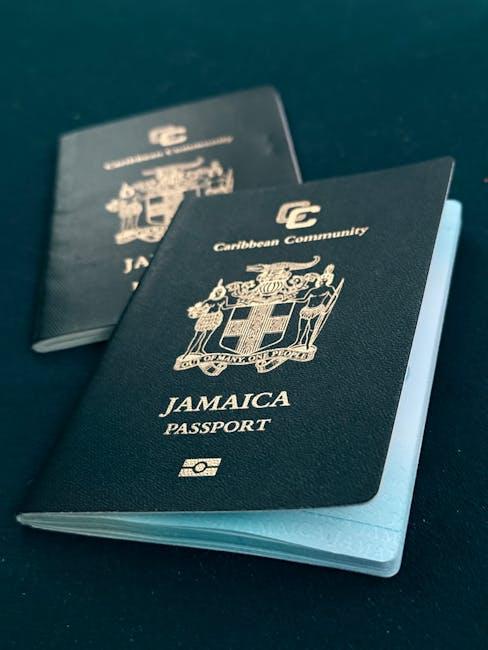
Balancing Legal Complexities and Tax Implications
Acquiring a second passport often elevates one’s international freedom, but it also ushers in a maze of legal intricacies that demand careful navigation. Each country enforces distinct rules on dual citizenship, including restrictions on holding public office, mandatory military service, or even potential loss of citizenship if certain conditions are unmet. This multifaceted legal landscape means that the dual passport holder must remain vigilant to avoid unintended violations that could jeopardize their status or rights in either country.
On the financial side, dual citizenship can lead to complex tax obligations that vary widely depending on jurisdictions involved. Some countries tax based on citizenship rather than residency, which can trigger unexpected liabilities or reporting requirements. To untangle these obligations, consider key factors such as:
- Residency vs. citizenship-based taxation
- Double taxation treaties and exemptions
- Reporting standards like FATCA
| Country | Tax Basis | Double Tax Treaty |
|---|---|---|
| USA | Citizenship | Yes |
| France | Residency | Yes |
| UAE | No income tax | N/A |
Cultural Identity and Emotional Dimensions of Dual Citizenship
Holding two passports often weaves a complex tapestry of belonging and self-perception. On one hand, it can enrich a person’s cultural identity by providing access to traditions, languages, and histories from multiple homelands. This dual cultural lens fosters a unique emotional connection—not just to places, but to communities and customs that may otherwise feel distant. Yet, this emotional richness can also spark internal conflict as individuals sometimes grapple with divided loyalties or the challenge of fully fitting into one culture without feeling like an outsider in the other.
Living between worlds frequently means balancing pride with occasional feelings of displacement. Emotional nuances extend beyond nostalgia; dual citizens might experience joy from family reunions abroad, or frustration navigating the complex feelings when national crises affect one country more than the other. These layered emotions reveal how dual citizenship isn’t just a legal status but a profound psychological journey shaped by identity, memory, and belonging.
- Enhanced cultural empathy: Ability to appreciate diverse perspectives.
- Identity fluidity: Navigating between multiple self-concepts.
- Emotional ambivalence: Pride mixed with cultural tension.
- Family and community bonds: Strengthened ties across borders.
Strategies for Maximizing Benefits While Mitigating Risks
To harness the full potential of dual passports, it’s essential to conduct thorough research on each country’s political and economic stability. Consider maintaining active ties in both countries, such as property ownership, banking, or family connections, which help in preserving benefits and ease administrative processes. Additionally, always be mindful of tax obligations and legal requirements in both jurisdictions to avoid unintended financial or legal pitfalls. Consulting with immigration and tax professionals, especially those experienced in dual nationality issues, will empower you to navigate the complexities confidently.
Risk management strategies also include careful documentation and staying informed about the laws and policies that govern dual citizenship. Utilize secure storage for your passports and related documents to prevent loss or theft, and consider enrolling in consular services offered by both countries for emergency support. Here’s a quick overview of key considerations for maximizing benefits while minimizing risks:
| Benefit | Risk | Mitigation Strategy |
|---|---|---|
| Access to multiple job markets | Conflicts in employment laws | Understand dual labor regulations |
| Easier international travel | Complicated visa requirements | Keep both passports updated |
| Diversified financial options | Double taxation potential | Use tax treaties and expert advice |
| Political and social security options | Sudden policy changes | Stay informed and connected locally |
Expert Tips for Navigating Application Processes and Compliance
Embarking on the journey of acquiring and maintaining dual citizenship demands a strategic approach toward application processes and compliance requirements. Start by thoroughly researching each country’s documentation and legal prerequisites to avoid delays or pitfalls. Each nation has unique stipulations, ranging from residency proofs to mandatory declarations of multiple nationalities. Incorporate organized checklists and maintain a digital folder of all important paperwork to streamline renewals and future applications.
Staying compliant extends well beyond paperwork submission. It’s essential to stay current with tax obligations, voting rights, and military service duties—where applicable—to prevent legal entanglements. Consider the following tips for smooth navigation:
- Consult with immigration attorneys familiar with both jurisdictions
- Utilize official government portals for accurate updates
- Keep clear records of all correspondence and receipts
- Set calendar reminders for recurring deadlines, such as passport renewals
| Aspect | Suggested Action | Benefit |
|---|---|---|
| Application Documents | Prepare well in advance | Saves time, avoids errors |
| Compliance Checks | Regularly review legal changes | Ensures ongoing eligibility |
| Professional Guidance | Engage specialists | Reduces risk of rejection |
Concluding Remarks
In the intricate dance of borders and identities, dual passports offer a unique rhythm—one that can open doors yet also present unexpected steps. Whether it’s the allure of expanded opportunities or the challenges of divided loyalties, holding two passports is a journey filled with both promise and prudence. As you contemplate this path, remember that navigating the world is as much about understanding the maps in your hands as it is about knowing the terrain beneath your feet. Embrace the complexities, weigh the possibilities, and chart a course that best aligns with your personal compass.




