
In a world where borders define opportunity and identity, the path to legal residency and citizenship often feels like navigating an intricate maze. Each turn presents a new form to fill, a new deadline to meet, and layers of paperwork that can overwhelm even the most diligent applicant. “Navigating the Maze: Essential Guide to Immigration Documents” offers a clear compass through this complex terrain, demystifying the documents that open doors to new lives and possibilities. Whether you are a first-time applicant or seeking to renew your status, understanding the essentials is the key to smooth passage on your immigration journey.
Understanding the Core Immigration Documents and Their Purposes
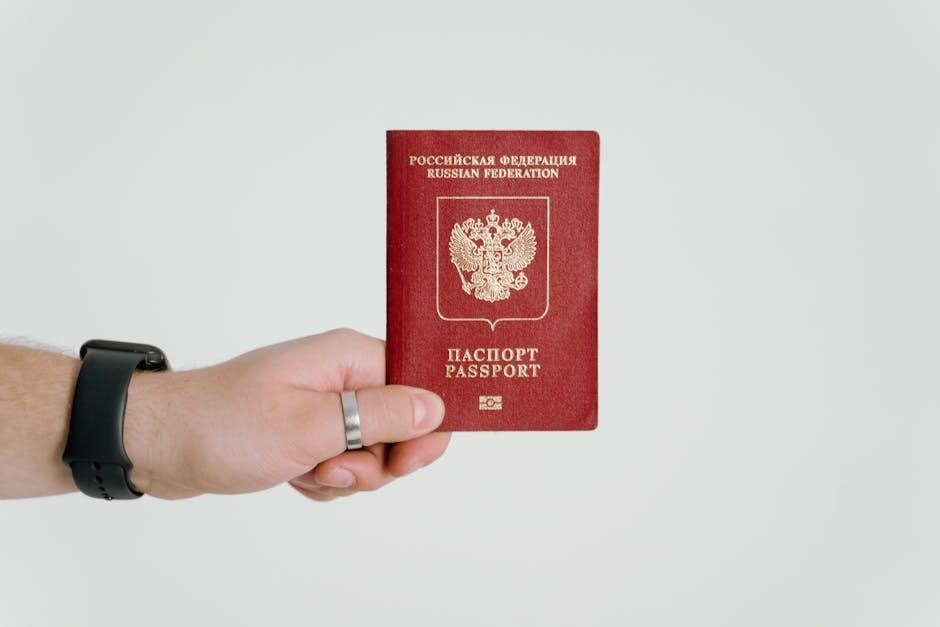
At the heart of every immigration journey lies a set of critical documents, each serving a unique function to verify identity, status, and eligibility. These papers are not just bureaucratic formalities—they are the keys that open the doors to new opportunities and legal residence. Understanding the purpose behind documents like passports, visas, and work permits helps applicants navigate complex procedures without unnecessary stress or delays. Each document presents distinct information: passports confirm nationality, visas indicate authorized travel purpose and duration, while work permits grant lawful employment rights.
To clarify their roles at a glance, here’s a quick breakdown of some essential immigration documents:
- Passport: Proof of identity and citizenship, essential for international travel.
- Visa: Official permission to enter, stay, or work in a foreign country.
- Residence Permit: Legal proof of an extended stay or permanent residency.
- Work Permit: Authorization allowing individuals to be employed in the host country.
- Entry/Exit Stamps: Indicate dates when the individual legally crossed borders.
| Document | Main Purpose | Common Issuing Authority |
|---|---|---|
| Passport | Identity and Citizenship Proof | National Government |
| Visa | Travel Authorization | Immigration Departments / Embassies |
| Residence Permit | Proof of Legal Residency | Immigration Offices |
| Work Permit | Employment Authorization | Labor or Immigration Agencies |
Key Steps to Organize and Prepare Your Paperwork Efficiently
Before diving into the sea of paperwork, start by categorizing your documents into clear, manageable groups. This method allows you to locate what you need instantly and avoid unnecessary stress. Consider grouping by purpose — such as identification papers, proof of residence, employment documents, and legal forms. Use color-coded folders or digital tags to visually separate categories, making retrieval a breeze. Additionally, make digital backups of every file, ensuring you have access even if the physical copies get misplaced or damaged.
To stay ahead of deadlines and requirements, create a simple tracking system. A checklist or calendar can help you note pending submissions, expiration dates, or appointments related to your immigration process. For example:
| Document Type | Status | Expiration Date | Notes |
|---|---|---|---|
| Passport | Valid | 12/2026 | Renew 3 months prior |
| Visa Application | In Progress | N/A | Submit before 05/2024 |
| Proof of Address | Completed | N/A | Recent utility bill |
This structured approach transforms chaos into clarity, empowering you to move through your immigration journey with confidence and accuracy.
Decoding Application Processes and Avoiding Common Pitfalls
Understanding the intricacies of immigration paperwork requires more than just filling out forms—it demands a strategic approach to detail and timing. Many applicants stumble over common hurdles such as incomplete submissions, overlooked deadlines, and improper documentation formats. To streamline your journey, it’s vital to maintain an organized checklist and double-check each entry for accuracy. Keeping digital copies of every document can also safeguard against unexpected losses or mishaps during submission.
Remember, each immigration process has unique requirements that might not be immediately obvious. Avoid these frequent pitfalls by:
- Reviewing official guidelines regularly to stay updated with policy changes.
- Seeking professional advice from immigration consultants or legal experts when unsure.
- Allocating ample time for every phase—verification, submission, and follow-up.
| Common Pitfall | How to Avoid It | Effect of Ignoring |
|---|---|---|
| Missing Deadlines | Use calendar reminders and set early personal cutoffs | Application rejection or delays |
| Incorrect Forms | Verify document names and versions on official sites | Request for resubmission, prolonging process |
| Insufficient Documentation | Prepare a comprehensive checklist before submission | Application denial or additional scrutiny |
Tips for Securely Managing and Storing Sensitive Immigration Information
Protecting your sensitive immigration documents is non-negotiable in a world where data breaches and identity theft are increasingly common. Start by creating both physical and digital backups of all important papers. For physical copies, use a high-quality fireproof and waterproof safe to guard against disasters. Digitally, encrypt files using reputable software and store them on secure, cloud-based platforms that feature multi-factor authentication. Remember, a layered security approach will significantly reduce the risk of unauthorized access.
Organizing and managing sensitive information efficiently also demands a mindful strategy. Implement a clearly labeled folder system — whether on your computer, cloud storage, or filing cabinet — categorized by application types, deadlines, and document statuses. Additionally, limit access strictly to trusted individuals, and routinely audit who has permissions to view or edit your files. Consider the following practical safeguards:
- Use strong, unique passwords for all digital accounts and change them regularly.
- Enable two-factor authentication wherever possible.
- Avoid sharing sensitive information over email or unsecured messaging platforms.
- Keep an updated inventory of your documents to track what you have and what is still required.
- Dispose of old documents properly by shredding paper copies and securely deleting digital files.
Leveraging Professional Resources and Legal Support for Smooth Navigation
Navigating the complexity of immigration paperwork often demands more than just patience — it requires the right expertise at your fingertips. Engaging with professional resources such as certified immigration consultants and legal advisors can transform your experience from overwhelming to manageable. These experts offer tailored guidance, ensuring that your applications comply with ever-changing regulations. They can also help you gather necessary documents promptly, avoid common pitfalls, and prepare for interviews with confidence.
To streamline your journey, consider the following valuable resources:
- Legal Aid Clinics: Often provide free or low-cost services tailored to immigrant communities.
- Online Immigration Forums: Great places to connect with others undergoing similar processes and to share support.
- Official Government Portals: Keep up-to-date with the latest document requirements and procedural updates.
| Professional Resource | Key Benefit | Accessibility |
|---|---|---|
| Immigration Lawyer | Customized legal strategy | Available via private firms or nonprofit orgs |
| Consultant Services | Application assistance & form review | Widely accessible online and offline |
| Community Support Groups | Peer advice and emotional support | Local meetups and social media |
In Retrospect
As you step out of this guide, remember that navigating the maze of immigration documents is a journey—complex yet conquerable with the right map in hand. Each form, stamp, and signature is a piece of your story, a step closer to new beginnings. While the pathways may twist and turn, patience and preparedness will light your way. Keep this guide close, adapt as rules evolve, and approach the process with both caution and confidence. After all, every labyrinth has its exit, and yours is just a document away.




