
In our increasingly interconnected world, the concept of citizenship is evolving beyond the traditional notion of allegiance to a single nation. Among the more complex phenomena gaining attention is triple citizenship-when an individual holds legal nationality from three different countries simultaneously. While this status may sound like a passport collector’s dream, it embodies a tapestry of benefits, challenges, and legal intricacies that every global citizen should understand. This article unpacks the layers of triple citizenship, shedding light on what it truly means to navigate the rights, responsibilities, and realities of belonging to three nations at once.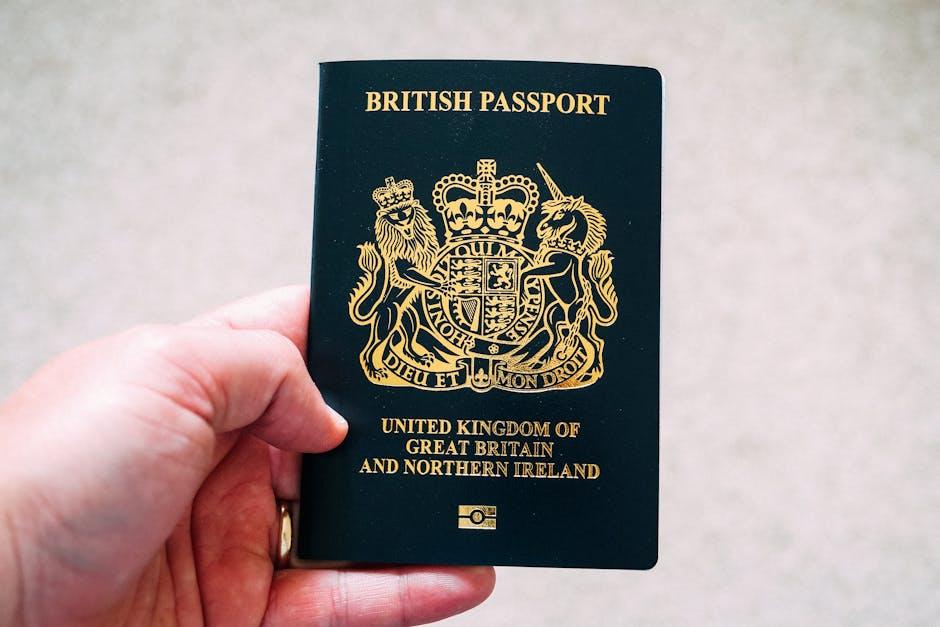
Exploring the Meaning and Scope of Triple Citizenship
Triple citizenship refers to an individual holding legal citizenship status simultaneously in three different countries. This concept extends beyond dual citizenship by adding a third nation’s nationality, which can occur through birthright, naturalization, marriage, or descent. The scope of triple citizenship varies greatly depending on each country’s laws-some nations fully recognize multiple citizenships without restrictions, while others impose limitations or even prohibit retaining multiple nationalities. Understanding these legal frameworks is crucial, as they affect rights and responsibilities such as voting, taxation, military service, and eligibility for government positions. Practically, triple citizens often enjoy enhanced mobility, access to diverse social services, and broader employment prospects, but they must also navigate complex legal obligations in each jurisdiction involved.
While the benefits of triple citizenship can be significant-ranging from increased global opportunities to familial and cultural ties-it also presents unique challenges. For example, managing compliance with tax laws in multiple countries or facing conflicting national security requirements can create legal and financial complications. Moreover, not all countries allow their citizens to hold multiple nationalities, which may lead to risks such as citizenship revocation or difficulties in renewing passports. When comparing dual versus triple citizenship, the third nationality amplifies these complexities but also multiplies potential advantages. Prospective triple citizens should carefully evaluate their options, ideally consulting legal experts to understand the implications of holding triple citizenship in specific nations. This informed approach helps maximize benefits while minimizing the pitfalls associated with overlapping citizenships.
| Aspect | Dual Citizenship | Triple Citizenship |
|---|---|---|
| Legal Complexity | Moderate | High |
| Taxation Obligations | Two Jurisdictions | Up to Three Jurisdictions |
| Travel Flexibility | Extended | Maximized |
| Voting Rights | Two Countries | Three Countries |
- Recommendation: Prioritize checking each country’s acceptance of multiple citizenships before pursuing triple citizenship.
- Tip: Keep thorough records of citizenship documentation for seamless legal compliance.
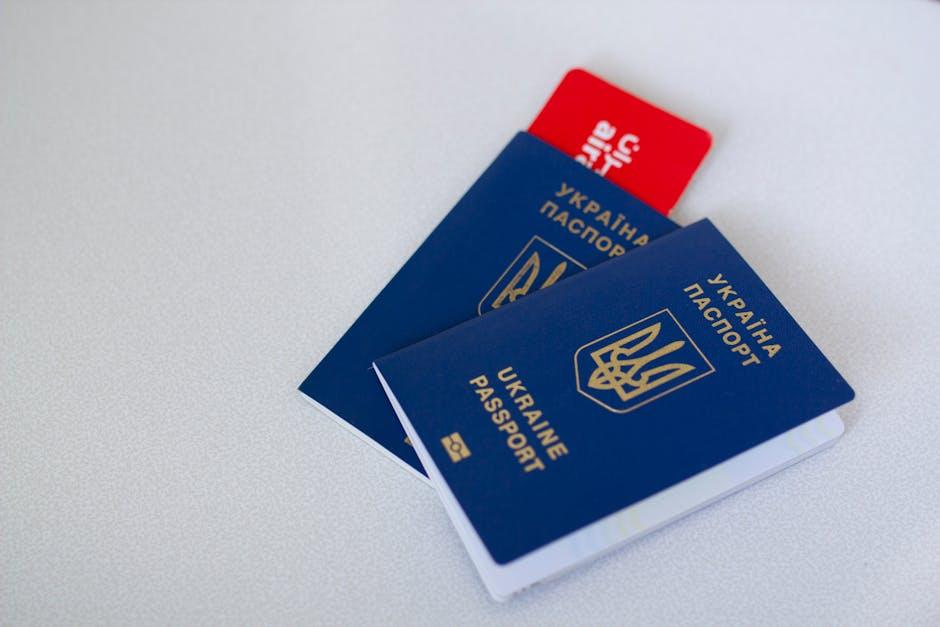
Advantages That Come With Holding Multiple Nationalities
Holding multiple nationalities-including triple citizenship-offers a unique set of advantages that go beyond mere passport convenience. One immediate benefit is enhanced global mobility: triple citizens can travel visa-free or enjoy simplified visa requirements across a broader range of countries, allowing for easier business, tourism, or family visits. Additionally, having three citizenships can open up diverse economic opportunities, such as the right to work, own property, or access government benefits across multiple jurisdictions. This multifaceted legal status often provides a safety net in uncertain political or economic climates, granting access to multiple healthcare systems, educational resources, and social services, which can be invaluable for individuals and their families.
Moreover, triple citizenship supports cultural and identity benefits by fostering a deeper connection to multiple heritages and communities. It also encourages a global mindset, often making holders more competitive in international job markets due to their cross-border flexibility. However, it is essential to understand that holding multiple nationalities may come with complex tax implications or legal obligations, which vary by country. The following table succinctly compares key benefits of triple citizenship against single and dual citizenship to illustrate these distinctions clearly:
| Feature | Single Citizenship | Dual Citizenship | Triple Citizenship |
|---|---|---|---|
| Visa-Free Travel Access | Limited | Expanded | Maximized |
| Access to Social Services | Restricted | Broader | Broadest |
| Work & Property Rights | Single Country | Two Countries | Three Countries |
| Cultural & Identity Connection | One Culture | Two Cultures | Multiple Cultures |
Navigating Legal Complexities and Potential Pitfalls
When navigating the legal complexities of triple citizenship, it’s crucial to understand that laws vary significantly between countries regarding multiple nationalities. While some nations readily accept triple citizenship, others may impose restrictions or even require individuals to renounce previous citizenships. For example, countries like the United States and Canada typically allow multiple citizenships, but nations such as Japan or China generally do not recognize dual or triple citizenship and may force legal relinquishment. This patchwork of legal frameworks can lead to complications around compulsory military service, tax obligations, or eligibility for public office, making thorough research and professional legal advice indispensable before pursuing triple citizenship.
Common pitfalls include unintended tax liabilities, legal conflicts in emergency situations, and issues with diplomatic protection. It’s important to be aware of the following:
- Taxation: Some countries tax citizens on worldwide income regardless of residency, potentially resulting in double or triple tax burdens.
- Military Service: Mandatory service laws may apply simultaneously, posing legal risks if overlooked.
- Travel Restrictions: Certain passports carried together can lead to denial of entry or complicated border controls.
- Legal Conflicts: Laws regarding marital status, inheritance, and property ownership might conflict between your countries of citizenship.
| Aspect | Potential Challenges | Recommendations |
|---|---|---|
| Taxation | Double or triple taxation, complex filing requirements | Consult international tax specialists and leverage tax treaties where applicable |
| Legal Obligations | Conflicting laws on military service, estate management | Understand each country’s obligations and seek legal counsel before decisions |
| Travel & Diplomacy | Travel restrictions or diplomatic protection challenges | Carry multiple passports as needed and be aware of each country’s consular policies |
How Triple Citizenship Affects Your Rights and Responsibilities
Triple citizenship means holding citizenship simultaneously in three different countries, each carrying its own set of rights and responsibilities. Understanding how these layered citizenships affect you legally and practically is crucial. For example, your rights to social services, voting, or property ownership can vary significantly between nations. Additionally, responsibilities such as paying taxes and mandatory military service might overlap or conflict, depending on each country’s laws. A common concern is how countries treat issues like double taxation or whether all three governments recognize multiple citizenships; some nations require loyalty oaths or have restrictions on foreign political participation, potentially complicating your legal standing. Knowing the nuances-for instance, which passports you can use for travel and how each country addresses criminal laws and conscription-helps manage potential challenges effectively.
- Tax obligations: Multiple citizenships might mean filing taxes in more than one country, despite tax treaties designed to prevent double taxation.
- Military service: Certain countries enforce compulsory service; triple citizens must understand if they are liable in one, two, or all three jurisdictions.
- Voting rights: Citizenship grants voting privileges, but rules on eligibility and residency requirements differ widely.
- Legal protections and obligations: Your legal rights may differ, such as access to consular support abroad or jury duty responsibilities.
| Aspect | Potential Impact of Triple Citizenship | What to Consider |
|---|---|---|
| Travel | Multiple passports ease access but may require visa awareness and choice of travel documents | Check entry/exit laws, avoid restrictions on dual nationals |
| Taxation | Possible dual or triple tax filings, depending on countries | Consult tax professionals about treaties and filings |
| Legal Responsibility | May owe allegiance or military service to all three nations | Understand each country’s laws to avoid penalties |
Choosing the Right Path: Is Triple Citizenship the Best Option for You
Deciding whether triple citizenship is the right choice depends heavily on your unique circumstances, goals, and the legal frameworks of the countries involved. Triple citizenship means holding passports and legal statuses from three different nations simultaneously, which can offer exceptional flexibility in travel, work, and residency. However, this path requires careful consideration of complex factors such as tax obligations, military service requirements, and potential conflicts in legal responsibilities between countries. It’s important to evaluate your personal ties and long-term plans-such as career ambitions abroad, family heritage, or investment opportunities-to determine if the benefits like expanded access to social services and eased international mobility outweigh the administrative challenges and compliance costs.
Before pursuing triple citizenship, consider these key questions to clarify your position:
- Does each country allow multiple citizenships? Some nations require renunciation of prior citizenships upon naturalization.
- What are the tax implications? Being subject to tax laws in three jurisdictions can complicate financial planning.
- Are there military or civic duties? Some countries mandate compulsory service or voting obligations for citizens.
- How will this affect your professional and personal life? Consider visa-free travel, access to education, healthcare, and political rights.
| Factor | Benefit | Potential Drawback |
|---|---|---|
| Travel Flexibility | Multiple passports ease border crossings and visas | Risk of conflicting legal protections or travel restrictions |
| Taxation | Access to diverse economic opportunities and banking options | Obligation to file taxes in multiple countries |
| Civic Rights & Duties | Right to vote and participate politically in multiple states | Potential military service or compulsory civic duties |
Ultimately, triple citizenship is a powerful tool but not universally advantageous. Consulting with immigration experts and legal advisors can help assess if your personal, financial, and legal situations align with the complexities of holding three citizenships. This tailored approach ensures your decision is informed, practical, and beneficial in the long term.
The Way Forward
In the intricate tapestry of modern identity, triple citizenship weaves together diverse threads of heritage, opportunity, and belonging. While it opens doors to new horizons and enriches personal and professional lives, it also demands careful navigation through a maze of legal obligations and cultural complexities. Understanding the benefits, challenges, and legalities of triple citizenship equips individuals with the insight to make informed choices, embracing a multifaceted world without losing sight of the responsibilities it entails. As the globe becomes ever more interconnected, triple citizenship stands as a testament to the evolving nature of nationality-complex, dynamic, and profoundly human.




