
In the quiet valleys and bustling cities of Switzerland, the allure of becoming a citizen carries with it promises of stability, opportunity, and a unique cultural tapestry that few countries can match. Yet, the journey to Swiss citizenship through investment is far more than a simple transaction-it is a nuanced voyage marked by careful planning, regulatory intricacies, and personal aspiration. “From Aspiration to Arrival: Navigating the Complex Path of Swiss Citizenship by Investment” delves into this multifaceted process, exploring how ambition meets bureaucracy, and how investors transform hope into the tangible reality of Swiss nationality. This article seeks to illuminate the challenges and considerations that define this distinctive route, offering insight to those who dream not just of investing in Switzerland, but of truly becoming a part of it.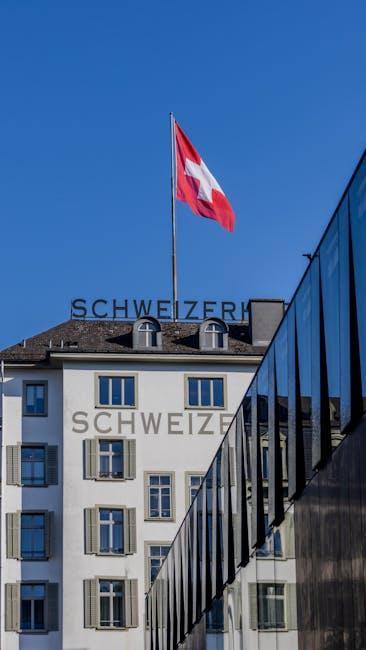
Setting Ambitions in Motion The Early Steps Toward Swiss Citizenship by Investment
- Initial Research and Reality Check: Many hopeful applicants begin their journey fueled by success stories of swift citizenship through investment in Switzerland’s picturesque cantons. Take, for example, an entrepreneur from Singapore who envisioned a seamless transition from business mogul to Swiss citizen. Early conversations with consultants often reveal that while substantial financial contributions to local economies are essential, they don’t guarantee immediate citizenship. Instead, this first phase demands a deep dive into the cantonal residency requirements, the mandatory integration measures, and patience-sometimes spanning years. Applicants quickly learn that Swiss authorities prioritize genuine ties over mere financial input, setting the stage for a rigorous process beyond the initial investment.
- Balancing Ambitions with Cantonal Nuances: A British investor discovered that cantonal differences could drastically alter the path forward. While his preferred canton offered attractive tax incentives, it also required demonstrable social integration-fluency in one of the national languages and active community involvement. This meant adapting expectations and preparing for real-life challenges: enrolling in language courses, attending local events, and establishing networks within the community. The early steps are often characterized by this jarring contrast between aspiration and reality. Lessons learned here underscore the importance of viewing investment as just one piece of the puzzle, complemented by a sincere commitment to becoming part of Switzerland’s social fabric.

Crossing Legal and Cultural Thresholds Understanding the Challenges on the Journey
When embarking on the journey toward Swiss citizenship by investment, many candidates assume the process is largely transactional-submit capital, check legal boxes, and wait for approval. However, crossing the threshold into Swiss society demands grappling not only with paperwork but also with a complex web of legal frameworks and deeply rooted cultural expectations. For instance, consider the case of Elena, a successful entrepreneur from Spain, who found her application stalling not for lack of funds but due to her limited integration efforts. Swiss authorities assess applicants on criteria such as language proficiency, social participation, and respect for Swiss values, which can catch even the most well-prepared off-guard. This stage challenges aspirants to move beyond their initial expectation that investment alone will secure citizenship, highlighting the importance of patience, thorough preparation, and willingness to engage with the local community.
A critical decision point often comes when candidates must balance compliance with ever-evolving legal requirements against the intangible cultural nuances that define Swiss identity. For example, the canton where an applicant chooses to invest can significantly affect the outcome; some regions prioritize community integration more than others, influencing the stringency of interviews and residency demands. From this, several lessons emerge:
- Due diligence goes beyond finances: understanding local customs, language, and administrative procedures is crucial.
- Flexibility and adaptability in navigating canton-specific regulations can make or break the application.
- Personal interactions matter; successful applicants often attribute their approval to cultivating sincere relationships with local officials and neighbors.
| Expectation | Reality |
|---|---|
| Investment guarantees citizenship approval. | Investment is necessary but insufficient without cultural integration. |
| Legal procedures are straightforward and uniform. | Processes vary widely between cantons and involve nuanced social criteria. |
| Language proficiency is optional if financially qualified. | Language skills are often mandatory to demonstrate commitment to integration. |
Understanding these legal and cultural thresholds is pivotal. Approaching the process with a holistic mindset that respects both the letter of the law and the spirit of Swiss community values offers the best chance of turning aspiration into successful arrival.
Pivotal Moments That Define Success Personal Stories from the Investment Pathway
- Choosing the Right Investment Vehicle: One pivotal moment often shared by successful applicants is the decision around the type of investment. Take, for example, Anna, an entrepreneur from Germany, who initially believed that direct investment in Swiss businesses was the fastest route. After months of back and forth and unexpectedly slow approvals, she pivoted to a targeted real estate investment coupled with an innovation fund contribution-a pathway that better aligned with local economic goals. This strategic shift not only expedited her application process but also created deeper engagement with Swiss communities. The lesson here is clear: understanding the nuances of each investment option early can save valuable time and resources.
- Overcoming Language and Cultural Barriers: Another defining moment relates to integration efforts, which often surprise applicants. Consider Michael, a North American investor fluent in English but not in any of Switzerland’s official languages. His initial plan underestimated the importance of language proficiency and local networking in his naturalization interview. Only after enrolling in a French language course and participating actively in community associations did his application move forward smoothly. Michael’s experience underlines a common truth-expectations of a purely financial route contrast sharply with the reality that cultural assimilation plays an equally crucial role in the citizenship journey.
| Case Study | Initial Expectation | Outcome & Lesson |
|---|---|---|
| Anna’s Investment Choice | Direct business investment for speedy approval | Slower permissions led to switch to real estate + innovation fund; faster and aligned with Swiss priorities |
| Michael’s Language Readiness | Minimal language skills needed, focus on investment only | Language and community involvement crucial for interview success |
Lessons from the Process What Investors Must Know Before Taking the Leap
- Patience is non-negotiable: Take the example of Mr. and Mrs. Li, a couple from Asia who embarked on the Swiss citizenship-by-investment journey with hopes of wrapping it up in under two years. They entered with excitement, only to find themselves navigating an array of paperwork, stringent background checks, and numerous meetings with cantonal authorities. The process, they learned, is less about making a quick investment and more about demonstrating genuine integration and long-term commitment. The timelines vary widely depending on the canton, sometimes stretching beyond five years, a reality that often clashes with initial expectations.
- More than money is on the table: When a Middle Eastern entrepreneur invested heavily in a Swiss business, he believed that financial contribution alone would open doors to citizenship. However, the authorities insisted on evidence of his engagement in local life-language proficiency, participation in community activities, and cultural understanding. This experience highlights a critical lesson: Swiss citizenship by investment is not a transactional exchange. Investors must be prepared for continuous personal involvement and transparent interaction with local institutions. It’s a nuanced evaluation where social integration weighs heavily alongside capital injection.
| Decision Point | Expectation | Reality | Lesson Learned |
|---|---|---|---|
| Investment Type | Any large sum guarantees citizenship. | Specific investment types linked to economic benefit hold weight. | Choose investments that positively impact local economy & employment. |
| Timeline | Process completes within 1-2 years. | May take 3-5+ years depending on canton and integration. | Prepare for a marathon, not a sprint. |
| Language & Integration | Minimal or no language requirement. | Proficiency and cultural adaptation are often mandatory. | Plan for language courses and community engagement. |
Unpacking the Final Outcome Beyond Residency to Full Citizenship in Switzerland
Achieving residency in Switzerland through investment often feels like reaching the summit of a formidable mountain, yet the journey toward full citizenship reveals an entirely new terrain filled with unforeseen challenges and rewarding milestones. Take the example of Maria, an entrepreneur from Spain who invested in a canton’s economic development but found that her initial expectations of a swift transition to citizenship were tempered by the reality of integration requirements. Beyond the financial commitment, Maria had to demonstrate meaningful engagement with Swiss culture, including language proficiency in one of the national languages and active participation in community life. These elements, often underestimated in early planning, proved crucial in bridging the gap between residence and full citizenship. Her story illustrates a common decision point for many: prioritizing cultural integration as equally important as the capital injection itself.
Many applicants anticipate a straightforward upgrade from a residence permit to citizenship, but Swiss regulations impose stringent criteria that highlight the country’s commitment to social cohesion. Here are some critical aspects to consider:
- Residency Duration: Typically, 10 years of residency are required, with specific cantonal variations.
- Language Skills: Proficiency in German, French, Italian, or Romansh is essential-a step many find more demanding than expected.
- Community Integration: Active participation in local customs and social activities matters, underscoring the Swiss value of belonging.
- Financial Independence: Demonstrating stable income without reliance on social assistance is scrutinized closely.
Contrast this with initial expectations where financial investment alone might have seemed the ticket to citizenship. In reality, as seen in cases like Maria’s, the process is a holistic evaluation of an individual’s contribution to and alignment with Swiss societal norms. Understanding this nuance early not only tempers expectations but also equips applicants to strategize responsibly, balancing investment decisions with language courses, social networking, and civic awareness initiatives to ensure ultimate success.
To Wrap It Up
In tracing the winding road from aspiration to arrival, the journey toward Swiss citizenship by investment reveals itself as a complex tapestry woven with opportunity, challenge, and precision. It is a path that demands not only financial commitment but also a nuanced understanding of Switzerland’s legal landscape and cultural fabric. For those who navigate it successfully, the destination offers more than just a passport-it opens doors to a life enriched by stability, prestige, and connection. Yet, amid evolving policies and individual ambitions, the story of Swiss citizenship remains one of careful deliberation, perseverance, and the pursuit of a new beginning on the Alpine horizon.




