
In a world defined by ever-shifting borders and evolving identities, the pursuit of a second citizenship has become more than just a legal maneuver-it is a complex journey of self-discovery, strategy, and adaptation. Crossing borders twice is not merely about holding two passports; it is about navigating a labyrinth of cultural landscapes, legal frameworks, and personal aspirations. This exploration invites us to reconsider what it truly means to belong, challenge the notion of national identity, and uncover the nuanced realities faced by those who choose to live beyond the confines of a single homeland. In this article, we delve into the multifaceted experience of acquiring a second citizenship, unpacking the challenges, opportunities, and profound implications that come with this modern rite of passage.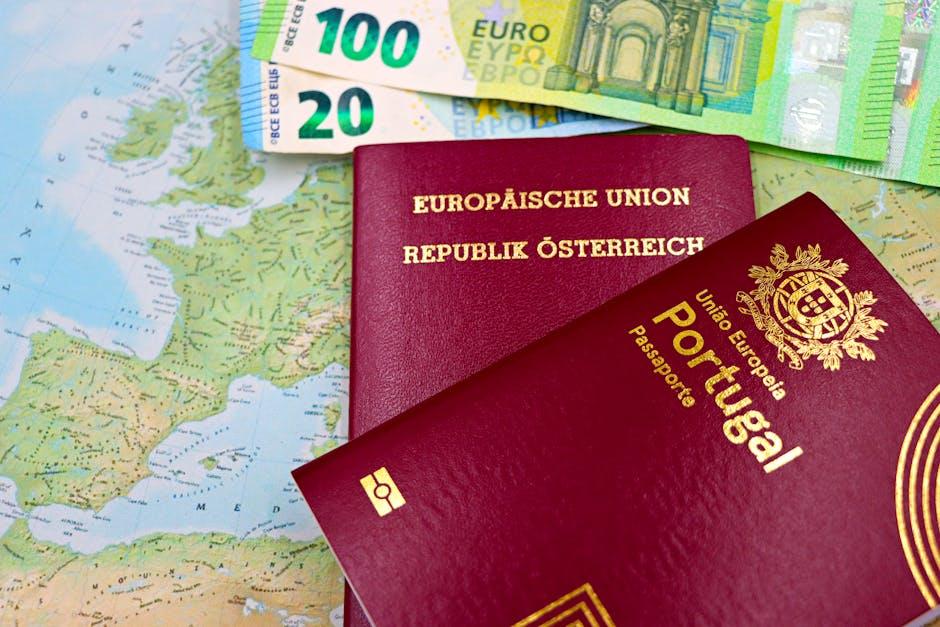
Embracing New Identities Beyond Familiar Shores
When Maria finally received her second passport, the elation of ticking off a major life goal was tempered by an unexpected internal tug-of-war. Having spent decades rooted in her homeland, the new identity felt both like a key to opportunity and a shadow of detachment. She discovered that embracing a second citizenship wasn’t merely about paperwork or travel perks-it was an ongoing negotiation of belonging. On one hand, she was excited to explore new cultures, invest with greater freedom, and offer her children educational pathways unavailable back home. Yet, on the other, moments of hesitation emerged when asked where she was “really from,” or when family traditions clashed with the social norms of her adopted country. This duality required conscious reflection, patience, and a readiness to redefine what home truly meant.
For many in Maria’s position, these challenges are common yet highly personal. Take Ahmed, who gained European citizenship through naturalization and initially viewed it solely as a passport for career mobility. Over time, he realized that embracing his new identity also meant embracing responsibilities-like participating in local civic life and navigating language nuances that went beyond formal schooling. His expectations of seamless integration met reality in unexpected ways: local customs took effort to learn, social circles remained insular for years, and occasional feelings of “otherness” cropped up. Such experiences highlight key lessons for anyone crossing borders twice:
- Identity evolves: Second citizenship often reshapes personal narratives, blending past and present in complex ways.
- Belonging is active: Integration requires intentional engagement beyond legal status-through community, culture, or civic participation.
- Flexibility is crucial: Navigating contrasting expectations demands adaptability and openness to new norms without abandoning core values.
| Expectation | Reality |
|---|---|
| Immediate sense of belonging | Gradual integration with occasional cultural dissonance |
| Uncomplicated travel and work freedom | Enhanced opportunities balanced by new responsibilities |
| Permanent detachment from original culture | Ongoing connection and hybrid identity formation |
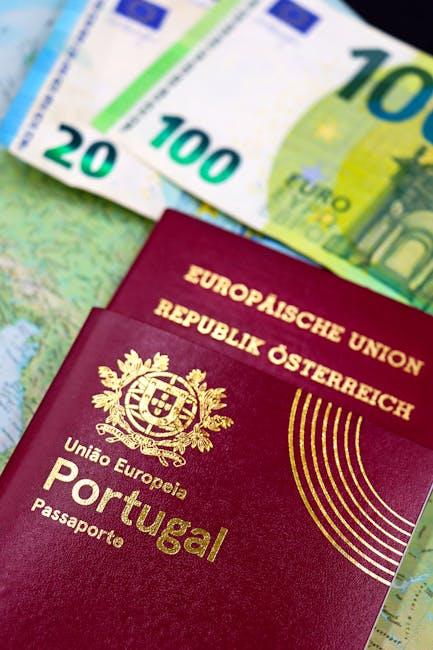
The Unseen Complexities of Dual Allegiances
Imagine Sofia, a talented software developer born and raised in Brazil, who recently acquired Italian citizenship through her grandparents. On paper, it seemed like a seamless expansion of her identity and opportunities. But the reality quickly unspooled a tapestry of complexities she hadn’t anticipated. While she relished the ability to work and live anywhere in the EU, her tax obligations became an intricate puzzle. Italy’s tax residency rules differed significantly from Brazil’s, forcing her to recalibrate her finances and lifestyle. More than just numbers, these challenges seeped into her sense of belonging. Sofia found herself constantly toggling between two worlds-each expecting different loyalties, legal compliance, and cultural expressions. Her decision moments-whether to declare income here or there, which passport to present at border checks, or even which national anthem to stand for-often illuminated the less-discussed emotional weight of second citizenship.
This duality also surfaces in political participation and civic duties. Take, for example, James, an American who became a Canadian citizen to pursue long-term career goals. While he eagerly cast votes in Canadian federal elections, he remained obligated to file annual tax returns to the U.S. Internal Revenue Service, an often-confusing requirement for many naturalized Canadians. His story highlights a key lesson: second citizenship can magnify the tension between expectation and reality, where privileges come bundled with responsibilities that rarely make headlines. The contrast between the initial excitement of expanded rights and the ongoing burdens underscores a critical understanding:
- Legal duality demands vigilance-ignoring obligations in either country can have severe consequences.
- Emotional balancing may induce identity conflicts, as allegiance is not just legal but deeply personal.
- Practical navigation requires ongoing education about shifting laws, tax treaties, and diplomatic nuances.
| Aspect | Expectation | Reality |
|---|---|---|
| Taxation | Simple filing in one country | Complex compliance in multiple jurisdictions |
| Travel | Flexibility and ease crossing borders | Occasional confusion over passport choice and entry rules |
| Identity | Seamless belonging to both nations | Intermittent cultural and emotional dissonance |
Moments That Define the Passage Between Nations
Stepping into the labyrinth of acquiring a second citizenship often begins with a moment that feels more like standing at a crossroads than a simple legal process. Take Marta, for instance, who initially pursued citizenship through ancestry, expecting a straightforward confirmation of her roots. However, she soon confronted unforeseen complications when her grandfather’s records were scattered across different countries. That moment-having to pivot from a straightforward lineage claim to gathering a patchwork of legal and historical documents-illustrates how expectations meet reality. It wasn’t just paperwork; it was a test of patience, negotiation, and cultural understanding, transforming her journey from a checklist into a deeply personal exploration of identity.
Another defining instant frequently arises during the decision to fully embrace dual citizenship or to maintain a singular national allegiance. Consider the case of Jamal, who obtained his second passport to unlock career opportunities abroad but faced a moral and emotional dilemma about where “home” truly resided. The bureaucratic process was, in fact, the easier part; the challenge lay in reconciling new legal ties with old emotional bonds. Common lessons emerge here, such as:
- Understanding legal implications: Dual citizenship often comes with responsibilities like taxes or military service in both nations.
- Emotional complexity: What does it mean to claim belonging to multiple places simultaneously?
- Practical adjustments: Navigating travel restrictions, voting rights, and cultural expectations can feel like balancing between two worlds.
| Expectation | Reality | Lesson Learned |
|---|---|---|
| Smooth administrative process | Lengthy paperwork and unpredictable document requirements | Flexibility and thorough preparation are essential |
| Simple identity affirmation | Emotional challenges and reevaluation of personal identity | Citizenship is as much about belonging as legality |
Personal Stories of Belonging and Bureaucracy
When Maria first applied for her second citizenship, she envisioned a seamless process-a straightforward path to a new passport that symbolized freedom and opportunity. Instead, she found herself entangled in a labyrinth of documents, translations, and seemingly endless waiting periods. One particular moment stood out: after submitting her long-form birth certificate alongside translations and notarizations, she was told that an additional document, an obscure municipal record, was missing-a requirement never mentioned before. This unexpected hurdle forced Maria into a delicate balancing act between work, family, and relentless bureaucracy. Through persistence and patient negotiation with consulates and local offices, she gradually pieced together the required paperwork. Her story highlights the stark contrast between the ideal of citizenship as a simple, legal upgrade and the reality of navigating inherited systems steeped in local idiosyncrasies and red tape.
On the other hand, there’s David, who viewed second citizenship as a way to reconnect with his ancestral homeland and create a deeper sense of belonging. For him, gaining citizenship was more than a legal process-it was a profound emotional journey filled with moments of reflection and sometimes frustration. For example, he recalls a moment when, after attending a cultural ceremony tied to his new nationality, he felt an overwhelming sense of acceptance. Yet, even this belonging collided with the frustration of losing certain privileges in his original country, such as voting rights under its laws. These contradictions unveiled a complex truth: citizenship is not merely a passport or legal status but a layered identity that intertwines feeling “at home” with the practicalities and perils of multiple allegiances. David’s experience underscores how second citizenship can be both empowering and disorienting, a constant negotiation between belonging and bureaucracy.
Reflections on the Promise and Reality of Second Citizenship
When Clara first considered obtaining a second citizenship, she pictured a seamless gateway to freedom: the ability to travel without the usual visa hassles, access to top-notch healthcare, and the promise of a fresh start in a welcoming community. Yet, as she navigated the labyrinth of paperwork and legal requirements, she quickly learned that second citizenship was less a silver bullet and more a nuanced trade-off. The process demanded time, patience, and sometimes unexpected financial burdens. More surprising was the realization that having a second passport didn’t always mean automatic privilege; for instance, visa restrictions varied widely, and dual citizens could face complex tax obligations or questions of loyalty in their home countries. Clara’s journey revealed a critical lesson: second citizenship often reshapes one’s identity and obligations as much as it opens doors.
Consider Mark, a tech entrepreneur who sought a second citizenship primarily for business expansion. His expectations were straightforward-broadened market access and fewer bureaucratic obstacles. While his new citizenship did offer certain commercial advantages, it also came with hidden practical challenges. The local banking system posed hurdles for foreign citizens, and unexpected political shifts occasionally affected his business climate. Such realities illuminate the contrast between the promise and the lived experience of second citizenship. What often gets lost in idealized narratives are the everyday decisions-like choosing where to pay taxes, where to register a birth, or how to navigate dual civic duties-that define the second citizen’s life. The journey demands constant balancing, making flexibility and realistic expectations the true currencies of success.
| Expectations | Reality | Lesson Learned |
|---|---|---|
| Unrestricted global travel | Visa requirements still apply for many countries | Research visa policies thoroughly |
| Simple legal status | Complex tax and legal obligations in both countries | Consult international tax and legal experts |
| Streamlined business operations | Local financial and bureaucratic challenges persist | Adapt strategies to local regulations |
In Summary
In the intricate dance of borders crossed twice, the pursuit of a second citizenship reveals more than just new passports-it uncovers a tapestry of identity, opportunity, and challenge. As travelers, dreamers, and pragmatists navigate this complex journey, they chart not only new legal territories but also personal landscapes of belonging and possibility. Ultimately, crossing borders twice is less about escaping one world and more about embracing the vast, interconnected one that awaits beyond each threshold.




