
In a world increasingly defined by connectivity and opportunity, the concept of citizenship has transcended borders, becoming not just a matter of heritage but a strategic pathway to new beginnings. “Crossing Borders and Building Futures: Stories Behind Citizenship Investment Countries and the Paths They Open” delves into the intricate narratives that shape this global phenomenon. It explores how individuals leverage citizenship investment programs to unlock doors-economic, social, and cultural-that once seemed out of reach. Beyond the legal frameworks and financial commitments lie personal journeys of aspiration, transformation, and the quest for belonging in a rapidly changing landscape. This article invites you to uncover the stories behind the statistics and policies, revealing the profound impact these citizenship pathways have on the lives they touch and the futures they help build.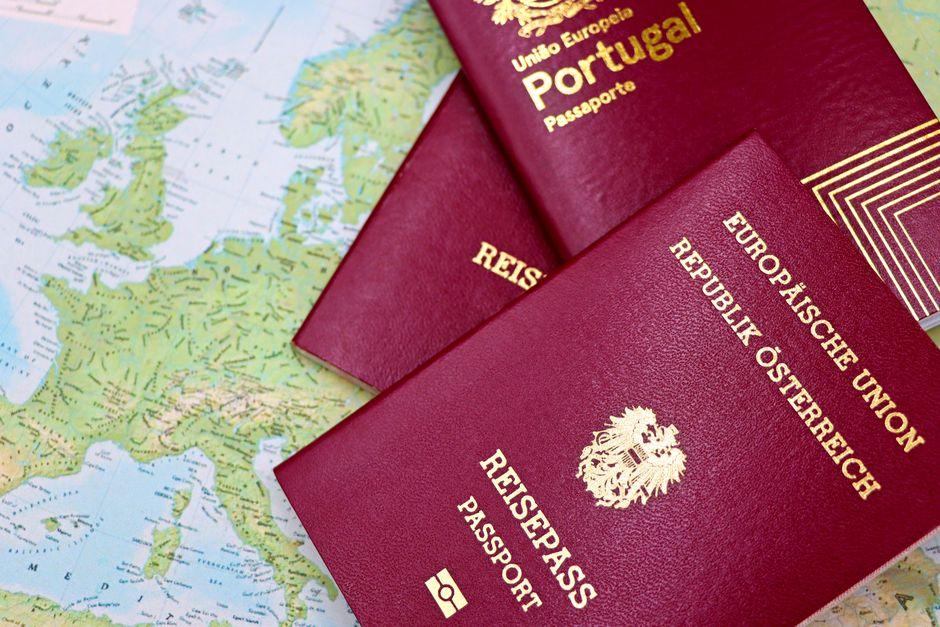
Navigating Complex Journeys Toward New Citizenship Opportunities
- Maria and Jamal’s Dilemma: After years living as expatriates in the Middle East, Maria and Jamal saw citizenship investment as a gateway to more flexible travel and improved educational opportunities for their children. Their journey illuminated a common reality: the path to new citizenship is rarely linear. Initially, they expected a streamlined process, but were soon faced with rigorous documentation requirements and unexpectedly long wait times. This taught them the value of engaging with specialized legal advisors early on, as a misstep in paperwork could delay the entire journey. Their story underscores the necessity of patience and professional guidance, highlighting how the journey is as much administrative as it is personal.
- Decision Points and Lessons Learned: For many families, choosing between programs hinges on subtleties often missed in initial comparisons. Take the case of a tech entrepreneur from Nigeria who first pursued citizenship in a Caribbean nation for its quick turnaround. Yet, upon arrival, he found limited business networking opportunities compared to the European program he later chose. His decision point pivoted on balancing speed against long-term economic integration. This highlights a critical lesson: citizenship investment is not just an entry ticket – it is an investment in lifestyle, access, and future potential. When evaluating options, individuals should consider factors beyond cost or processing speed, such as local community, governance quality, and exit strategies.
| Decision Factor | Typical Expectation | Reality Check |
|---|---|---|
| Processing Time | Quick and predictable | Delays due to background checks and documentation verification |
| Economic Benefits | Immediate access to markets | May require additional local investment or residency |
| Family Inclusion | Automatic inclusion of dependents | Age limits and dependent definitions vary by program |

Overcoming Barriers and Embracing the Promise of Investment Programs
When Maria, a tech entrepreneur from Brazil, first explored citizenship investment programs, she was drawn by the promise of a streamlined path to a European residence permit. However, her journey quickly revealed the complexities beneath the surface. From navigating stringent documentation requirements to interpreting varying due diligence procedures, Maria learned that patience and meticulous preparation often outweighed initial expectations of speed and simplicity. Her decision point came when faced with a request for additional financial transparency; rather than see this as a setback, she viewed it as a necessary layer of security that ultimately enhanced her confidence in the program’s integrity. This persistent, informed approach not only secured her new citizenship but also solidified her understanding of the broader responsibilities and benefits such programs entail.
Contrast this with John and Amina, a couple from Kenya seeking to leverage a Caribbean investment citizenship to expand their business footprint. They anticipated a straightforward transaction but quickly grappled with understanding local regulatory nuances and post-investment obligations-a reality many overlook. Their experience highlights key lessons for hopeful applicants:
- Due Diligence Isn’t Just Bureaucracy: Rigorous checks protect all parties and ensure the program’s legitimacy.
- Transparency Matters: Thorough documentation is essential; missing or inconsistent paperwork can delay or derail applications.
- Local Expertise Is a Must: Engaging with on-the-ground legal advisors can transform the navigation of complex regulatory environments into a manageable, informed process.
| Expectation | Reality | Lesson Learned |
|---|---|---|
| Quick turnaround time | Extended due diligence and additional paperwork required | Prepare for thorough vetting and patience as part of the process |
| Simple investment procedure | Complex local regulations influenced application timelines | Partner with local experts to navigate regulations effectively |
Ultimately, the promise of citizenship investment programs lies not just in crossing borders but in embracing a journey of due care, adaptability, and strategic planning. These programs open doors-to new markets, opportunities, and futures-but they reward those most willing to engage deeply and thoughtfully with every step of the path.
Turning Points That Redefine Personal and Financial Horizons
- Anna’s Unexpected Turn: A software engineer from Poland, Anna initially pursued citizenship investment purely as a backup plan in case economic conditions worsened after Brexit. What began as a cautious contingency soon transformed her outlook. The investment in a Caribbean citizenship program didn’t just secure her a second passport; it opened doors to global business opportunities she hadn’t anticipated. Through this new citizenship, Anna attended international conferences, collaborated with startups, and accessed markets previously restricted by her original nationality. The turning point came when she realized that a citizenship program was not just about paperwork, but about creating a bridge to new professional and personal horizons.
- Raj’s Contrast Between Expectation and Reality: An entrepreneur from India, Raj viewed citizenship by investment as a straightforward path to visa-free travel. However, his journey revealed layers he hadn’t considered-tax implications, local lifestyle integration, and community engagement. Originally, Raj expected a quick passport switch; instead, he needed to navigate complex residency requirements before citizenship approval. Lessons learned included the importance of thorough due diligence beyond the initial investment and understanding how citizenship affects more than legal status-it reshapes identity and long-term planning.
| Individual | Initial Expectation | Turning Point | New Perspective |
|---|---|---|---|
| Anna | Backup plan for uncertainty | Access to broader business networks | Citizenship as opportunity, not just security |
| Raj | Quick visa-free travel | Navigating residency requirements | Citizenship influences identity and planning |
Insights Gleaned from Diverse Experiences in Citizenship Pathways
- Case Study: Maria’s Journey from Dream to Reality – When Maria, a tech entrepreneur from Brazil, first explored citizenship-by-investment programs, she was drawn to the Caribbean for its ease and speed. However, after choosing one of the quickest routes, she encountered unexpected drawbacks: limited travel freedom and challenges in accessing European markets. After reassessing her priorities, she pivoted to Portugal’s program, trading speed for long-term benefits like eventual EU citizenship and better education opportunities for her children. This decision point highlighted a crucial lesson: acronyms like “fastest” or “cheapest” often overshadow subtler factors such as geopolitical influence, lifestyle compatibility, and the quality of consular support.
- Lessons from Diverse Paths and Their Realities – Many candidates expect citizenship programs to be a straightforward transaction, only to discover complexities. For example, John, a businessman from Southeast Asia, anticipated smooth processing in a popular European program, but bureaucratic delays and evolving compliance requirements extended his timeline far beyond projections. Contrastingly, Lydia, an artist from Eastern Europe, pursued a Caribbean program that granted extensive visa-free travel but lacked pathways to citizenship renewal or dual nationality recognition, limiting her plans for a permanent future abroad. These contrasting experiences underscore that prospective applicants must balance immediate gains like passport power with long-term implications including tax residency, cultural integration, and family inclusion options.
| Key Insight | Example | Takeaway |
|---|---|---|
| Speed vs. Quality | Maria’s initial Caribbean choice | Faster processing may compromise long-term value |
| Regulatory Complexity | John’s prolonged EU application | Thorough due diligence can prevent costly delays |
| Long-term Planning | Lydia’s travel freedom vs. permanence | Balance immediate needs with future aspirations |
Comparing Outcomes and Long Term Benefits Across Popular Destinations
- Portugal vs. Malta: Maria, originally from Brazil, opted for Portugal’s Golden Visa due to its relatively affordable real estate requirements and the promise of permanent residency leading to citizenship. She valued the pathway’s flexibility but soon realized the five-year residency condition demanded more time investment than anticipated. Meanwhile, John from Canada chose Malta’s Individual Investor Programme, drawn by its shorter processing time. Although the upfront cost was significantly higher, John appreciated the immediate access Malta granted to EU markets and the ability to travel visa-free across Schengen countries. Their stories highlight an essential trade-off: quicker acquisition versus longer, potentially more cost-effective investment with added lifestyle integration.
- St. Kitts and Nevis versus Turkey: When Ahmed needed rapid citizenship for business expansion in Europe, he gravitated towards Turkey’s Citizenship by Investment Program, which often issues passports within 6 months with a minimum property investment. However, he soon realized Turkish citizenship, while speedy, offers less visa-free travel than St. Kitts and Nevis, known for its efficient process and extensive travel freedom across over 150 countries. Ahmed’s choice reflected his immediate need, but his colleague Priya, opting for St. Kitts, gained long-term mobility benefits that served her global consultancy work. These contrasting outcomes underscore the value of aligning citizenship investment decisions with both short-term goals and long-term plans.
| Destination | Typical Processing Time | Investment Threshold | Visa-Free Access (Countries) | Residency Requirement |
|---|---|---|---|---|
| Portugal | 5-6 years (with a Golden Visa option for residency) | From €280,000 (real estate) | 185+ | Minimum 7 days/year residency |
| Malta | 12-18 months | €688,000+ (donation and investment) | 186+ | 12 months residency |
| St. Kitts and Nevis | 3-6 months | $150,000+ (donation) | 157+ | None |
| Turkey | 4-6 months | $400,000 (real estate) | 110+ | None |
Key Takeaways
As the sun sets on the intricate tapestry of citizenship investment, we are reminded that beyond the transactions and eligibility criteria lie real stories-of dreams pursued, opportunities seized, and futures forged across borders. These journeys, shaped by policies and propelled by personal ambitions, illuminate the evolving relationship between identity and opportunity in a globalized world. Whether driven by safety, prosperity, or the chance to build anew, the paths opened by citizenship investment are as diverse as the individuals who walk them. In understanding these stories, we glimpse not only the mechanisms of a modern passport but the hopes and resilience that define the human quest to belong and to thrive.




