
In a world woven tighter by travel, technology, and exchange, the concept of belonging has grown beautifully complex. For those who inhabit the delicate space of dual nationality, life unfolds between two distinct yet intertwined realms-each with its own traditions, values, and expectations. This delicate balance of identity is not simply about passports or legal status; it is a profound journey through culture, self-understanding, and community. “Between Two Worlds: Navigating Identity, Belonging, and the Complex Realities of Dual Nationality” invites readers to explore the nuanced experiences of those who straddle borders both seen and unseen, revealing how they forge unique paths amid the challenges and opportunities of living in-between.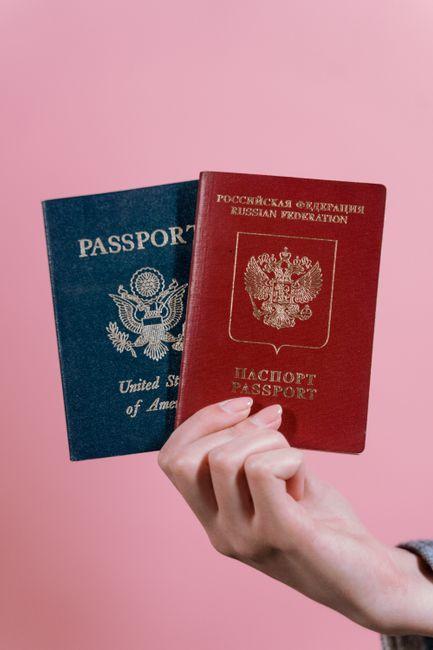
Roots Entwined Between Cultures and Borders
Imagine Lina, born in Germany to Turkish parents, returning to her ancestral village for the first time in a decade. While her passport proudly declares her as German-Turkish, the reality she faces there is far more nuanced. Her Turkish relatives greet her warmly, yet she senses an invisible wall-language barriers and cultural expectations that make her feel both deeply connected and strikingly foreign. This duality is a common thread for many with . They navigate family gatherings where jokes and idioms fly by too fast, and traditional customs hold unspoken rules that challenge their sense of belonging. The tension between embracing heritage and carving out an independent identity often prompts moments of reflection: Should she prioritize cultural preservation, or adapt to the fluidity of her bicultural reality?
Such experiences illuminate a larger pattern of contrasts-a person’s internal compass often pulls them in different directions from the external world’s expectations. Consider the typical expectations versus the realities found in dual nationality:
| Expectation | Reality |
|---|---|
| Feeling fully “at home” in both countries | Often feeling like an outsider in both |
| Seamlessly blending cultural traditions | Experiencing conflicting values and pressures |
| Clear sense of identity tied to nationality | Fluid, evolving identity influenced by context |
The key lesson from these intertwined roots is not about choosing one identity over another, but rather learning to hold the tension and find strength in it. Like Alex, navigating between a Mexican and Canadian heritage, who learned that his identity shifts depending on context-not as a weakness, but as a rich mosaic of experiences to be embraced. It’s this dynamic coexistence, with all its challenges and rewards, that shapes a unique narrative at the intersection of cultures and borders.
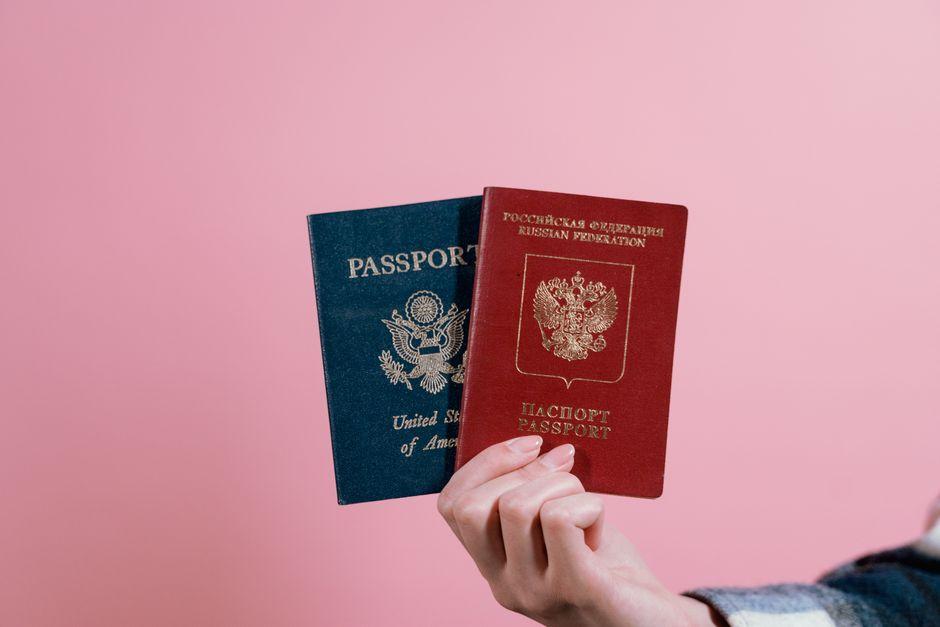
The Quiet Struggle of Defining Home Amid Competing Loyalties
For many individuals straddling two national identities, defining “home” is less about geography and more about an ongoing negotiation of feelings, responsibilities, and expectations. Take Amina, for instance, who was born and raised in France to Moroccan parents. Every summer, she returns to Morocco, where family ties run deep and traditions pull strongly at her heart. Yet, upon returning to Paris, she encounters subtle reminders that her sense of belonging is questioned-whether through casual remarks about her accent or assumptions about her cultural knowledge. These moments reveal the quiet struggle she faces: balancing the emotional draw of her heritage with the practical realities of her life in France. It’s not simply a matter of choosing one identity over the other; it’s about navigating the tension when those worlds pull in different directions, sometimes simultaneously.
Decision moments can be especially fraught. Consider the choice of where to settle professionally or where to raise a family. For someone like David, a dual national of Canada and the UK, the decision came down to which country offered better support for his partner’s career and their desired lifestyle. The expectation was that a dual nationality would ease transitions, yet the result highlighted the complex compromises involved-each country offered distinct social benefits but also unique cultural challenges. In situations like these, the paradox of dual nationality emerges tangibly:
| Expectation | Reality |
|---|---|
| Dual nationality means seamless belonging to both cultures. | Often involves negotiating competing cultural values and external perceptions. |
| Freedom to live and work in either country without barriers. | Decisions about work, family, and home require weighing complex practical and emotional factors. |
| Stronger connection and identity clarity. | Can lead to feelings of being “in-between,” without a singular, uncontested sense of home. |
- Lesson: The idea of home is fluid and deeply personal – shaped by relationships, memories, and contexts beyond legal documents.
- Insight: Living between worlds often demands embracing ambiguity rather than seeking definitive answers.
Moments That Reveal the Weight and Freedom of Dual Identity
For many with dual nationality, the moments when identity feels both a burden and a blessing often arrive unexpectedly. Take Amina, who grew up in Canada with Nigerian roots. At a family gathering in Lagos, she found herself caught between two realities: relatives expecting her to uphold traditions she didn’t fully understand, and her personal desire to express a more global, individual identity shaped by her Canadian upbringing. Here, the weight of dual citizenship was palpable-not just a legal status but a daily negotiation of self. These situations often force difficult decisions, such as how much to conform or resist, what parts of each culture to embrace, and when to prioritize one world over the other. The lesson is clear: dual identity demands a constant balancing act, where freedom and restriction coexist in surprising ways.
Contrast this with Luis, whose Spanish-German background initially seemed like an asset, especially in his career in Europe. Yet, the professional sphere revealed subtle biases and assumptions he hadn’t anticipated-being seen as “too Spanish” in Germany and “too German” in Spain. Each visit, each job interview, mirrored a test of belonging, highlighting how external expectations can clash with internal experience. In these moments, dual nationality becomes a mirror reflecting societal preconceptions more than individual realities. What seemed like a passport to opportunity also at times felt like a label hard to shed, illustrating the complex, deeply personal nature of navigating two worlds simultaneously.
| Scenario | Expectation | Reality | Takeaway |
|---|---|---|---|
| Family reunion abroad | Full cultural immersion and acceptance | Pressure to conform to traditions despite feeling like an outsider | Dual identity involves navigating belonging, not always full acceptance |
| Job interview in second nationality’s country | Qualification seen as cross-cultural strength | Faces bias or skepticism about authenticity | Dual nationality can both open doors and create new hurdles |
Lessons Drawn from Everyday Choices and Unexpected Connections
Imagine a young woman named Amina, born to Moroccan and Canadian parents, facing a seemingly simple decision: which passport to use for an upcoming job interview in Europe. On the surface, it seems like a bureaucratic detail, but this choice resonates deeply with her sense of identity and acceptance. Choosing her Moroccan passport meant potential validation from family and community, while her Canadian passport offered more straightforward access and practical advantages. This moment underscored a wider truth for many dual nationals-everyday decisions ripple outward, revealing how personal identity and external perceptions constantly interact. Amina learned that navigating these choices is less about picking one “true” nationality and more about embracing the fluidity between them, adapting to contexts rather than seeking a perfect fit. It also highlighted how expectations often contrast with reality; what feels like a straightforward step on paper inevitably comes with layers of emotional complexity and unexpected connections.
These scenarios are far from unique. Take Raj, who hesitated to join a cultural festival initially, fearing he would feel out of place due to his mixed Indian-American heritage. However, participating brought him unexpected insights and new friendships, challenging his preconceptions about belonging. Such instances emphasize the power of small decisions and interactions to expand identity beyond rigid categories. To illustrate, here’s a quick look at the common lessons dual nationals draw from daily choices:
- Flexibility over Fixity: Identity is often situational; adapting doesn’t mean losing authenticity.
- Connections Matter: Unexpected bonds can redefine feelings of community and home.
- Complexity is Natural: Contrasts between expectations and lived realities open paths for deeper understanding.
- Pragmatism and Emotion Coexist: Practical decisions intertwine with personal meaning in ways that enrich identity navigation.
| Expectation | Reality | Lesson Learned |
|---|---|---|
| Choosing one passport defines identity | Both passports represent different facets and advantages of identity | Embrace multiplicitous identity without pressure to prioritize |
| Joining cultural events feels overwhelming or alienating | Participating often leads to meaningful relationships and belonging | Opening up to experiences can reshape self-perception positively |
Bridging Divides The Evolving Meaning of Belonging in Two Worlds
For many navigating life between two countries, the concept of belonging often feels like standing on a seesaw, constantly balancing cultural expectations and personal identity. Take Lina, for example, who moved from Brazil to Germany as a teenager. At family gatherings in Brazil, she is expected to uphold traditions and communicate effortlessly in Portuguese, but in Germany, she often finds herself explaining Brazilian customs that her German friends struggle to understand. This tension isn’t just about language or customs-it’s about internalizing two sets of values that sometimes clash. Lina’s journey reflects a common crossroads: the desire to honor roots while adapting to a new world. The challenge lies not in choosing one identity over the other but in forging a hybrid sense of self that feels authentic and grounded. Over time, she learned to see her dual belonging as a source of strength rather than division, embracing moments where both her worlds converge-whether in a shared meal that combines feijoada with sauerkraut or in conversations that weave through two languages effortlessly.
This evolving understanding of belonging reshapes expectations. Consider Raj, who grew up in Canada with Indian parents. He initially believed that success meant perfectly blending into Canadian society, suppressing his heritage to fit in. However, as he matured, Raj saw the richness in openly celebrating his Indian roots alongside his Canadian identity. This shift didn’t come overnight but through a series of critical moments-inviting colleagues to Diwali celebrations, confronting stereotypes, and choosing to speak Punjabi with his children. His story highlights a broader lesson for those navigating dual nationality: belonging is not static; it expands and adapts as relationships, environments, and self-awareness evolve. It involves asking tough questions, such as:
- Which parts of my heritage do I actively carry forward, and which do I redefine?
- How do I create spaces where both cultural identities coexist comfortably?
- In moments of conflict, can I find harmony instead of choosing sides?
| Expectation | Reality |
|---|---|
| Belonging means full assimilation into one culture | Belonging can mean fluid integration of multiple identities |
| Clear-cut identity labels (e.g., Brazilian or German) | Identity often exists on a spectrum, blending elements from both cultures |
| Belonging equates to external acceptance | Belonging is also an internal acceptance and self-recognition |
Future Outlook
In the delicate dance between two homelands, the journey of dual nationality reveals a tapestry woven with threads of identity, belonging, and complexity. It is neither a simple story of division nor a seamless tale of fusion, but rather an ongoing negotiation-an evolving narrative that embraces both challenge and opportunity. As individuals navigate these intertwined worlds, they embody the living paradox of borders that both separate and unite. Ultimately, understanding and honoring this dual existence invites us to reimagine identity not as fixed territory, but as a dynamic landscape shaped by history, culture, and the enduring human need to belong.




