
In an increasingly interconnected world, the notion of belonging to just one nation is evolving. Triple citizenship, once a rare and complex status, is becoming a fascinating reality for many individuals bridging cultures, histories, and opportunities. But what does it truly mean to hold three passports? How can one qualify for this unique legal standing, and what are the unexpected benefits that come with it? This article unpacks the layers of triple citizenship, offering a clear explanation that navigates its legal intricacies and highlights the advantages of embracing a tri-national identity. Whether driven by heritage, career, or lifestyle, understanding triple citizenship opens doors to a world of possibilities.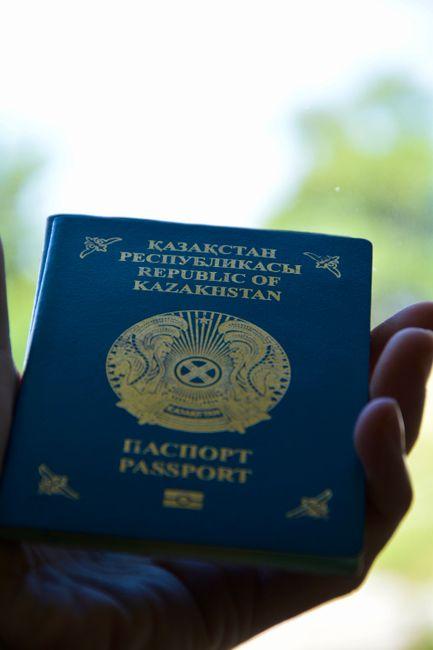
Understanding Triple Citizenship and What It Entails
Triple citizenship, also known as triple nationality, occurs when an individual legally holds citizenship in three different countries simultaneously. Unlike dual citizenship, which is more common and widely recognized, triple citizenship is comparatively rare and can be more complex due to the varying legal frameworks between nations. Each country maintains its own rules regarding citizenship acquisition, retention, and loss, which affects everything from taxation to the ability to enter government service. Understanding exactly what triple citizenship entails requires looking beyond the simple fact of holding three passports-it means navigating complex legal obligations, rights, and potential conflicts such as military service requirements or differing political loyalties.
Key points to consider with triple citizenship include:
- Legal recognition: Not all countries permit or acknowledge triple citizenship, which can lead to automatic loss of citizenship if you take a third nationality without approval.
- Tax and financial responsibilities: Multiple citizenships can trigger tax obligations in multiple jurisdictions, adding layers of complexity to income reporting and asset management.
- Travel flexibility vs. security scrutiny: Holding three passports can enhance travel freedom but might also increase scrutiny by border officials concerned about overlapping state interests.
| Aspect | Dual Citizenship | Triple Citizenship |
|---|---|---|
| Complexity | Moderate | High |
| Legal risks | Manageable | Increased due to conflicting laws |
| Travel benefits | Enhanced | Potentially greater but more susceptible to scrutiny |
For anyone considering or currently holding triple citizenship, it’s advisable to conduct thorough research and consult legal experts to fully understand the responsibilities and limitations attached. Clear planning around issues such as inheritance laws, compulsory military service, and election participation can prevent unexpected complications, helping you maximize the practical advantages of holding citizenship in three countries.
Exploring the Unique Benefits and Challenges of Holding Three Passports
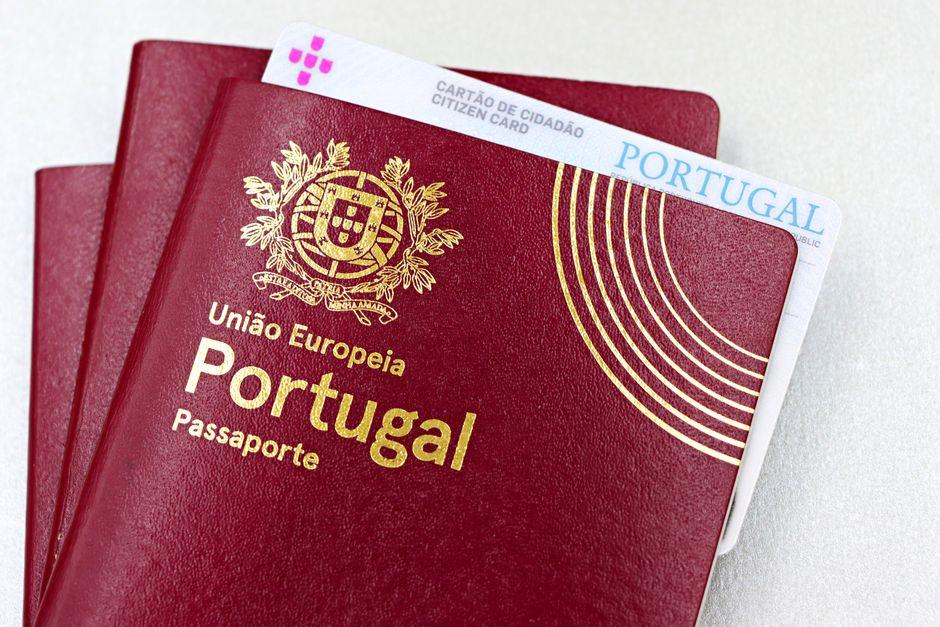
Holding three passports, or triple citizenship, offers a unique mix of benefits that extend beyond conventional dual nationality advantages. For instance, travel flexibility significantly increases, allowing individuals to navigate visa-free or visa-on-arrival access to a broader range of countries by choosing the passport most advantageous for entry. Additionally, triple citizenship can open diverse opportunities for international business, employment, and education, granting access to different labor markets and higher education institutions typically restricted by nationality. Furthermore, in case of political instability or legal restrictions in one country, having two additional national allegiances provides an invaluable security net and freedom of residency. However, managing tax obligations and legal compliance can become complex, as citizens must understand distinct regulations on income reporting and dual tax treaties that might or might not exist between all three countries.
Despite these advantages, triple citizenship also introduces specific challenges that potential applicants should carefully consider. One of the primary issues revolves around military service requirements, which some countries enforce mandatorily and might conflict between nations. Moreover, governmental restrictions or non-recognition of multiple citizenships by certain states could lead to loss of nationality or legal complications, especially if one passport holder country prohibits holding others concurrently. For practical management, individuals often need to navigate passport renewals and consular services across different jurisdictions, increasing administrative burdens. Below is a concise comparison illustrating common issues triple citizens face versus dual and single citizenship holders:
| Aspect | Single Citizenship | Dual Citizenship | Triple Citizenship |
|---|---|---|---|
| Travel Flexibility | Limited | Enhanced | Maximized |
| Tax Compliance Complexity | Low | Moderate | High |
| Military Service Obligations | Standard | Potential Conflicts | Increased Risk |
| Administrative Burdens | Minimal | Moderate | High |
How to Meet the Requirements for Triple Citizenship in Different Countries
Meeting the requirements for triple citizenship varies significantly depending on the countries involved, as each nation has its distinct legal framework regarding dual or multiple nationalities. Generally, to qualify for triple citizenship, an individual must first acquire citizenship by birth, descent, naturalization, or marriage in one country and then secure additional citizenships without violating any of these countries’ citizenship laws. For instance, some countries allow multiple citizenships without restrictions (like Canada and the UK), while others (such as Japan or China) prohibit holding more than one citizenship simultaneously. Understanding these rules upfront is crucial. Key factors often considered include:
- Descent (Jus Sanguinis): Many countries grant citizenship if one or both parents are citizens, regardless of place of birth.
- Birthright (Jus Soli): Countries like the US automatically grant citizenship to anyone born on their soil.
- Naturalization: Residency requirements, language proficiency, and cultural integration often play roles here.
- Marriage: Citizenship through marriage can expedite naturalization in some countries but may come with specific conditions.
To successfully navigate triple citizenship, it’s vital to compare the policies of the countries involved. The table below outlines common citizenship laws across several nations known for permitting multiple citizenships:
| Country | Allows Multiple Citizenship | Typical Naturalization Period | Key Restrictions |
|---|---|---|---|
| Canada | Yes | 3 years residence | None on multiple citizenship |
| United States | Yes | 5 years residence (3 if married to citizen) | Must file taxes, selective service, travel restrictions apply |
| Germany | Limited | 8 years residence | Generally requires renouncing previous citizenship |
| Brazil | Yes | 4 years residence | No renouncement required, but must show integration |
| India | No | 12 years residence | Does not allow dual or multiple citizenships |
Before pursuing triple citizenship, it’s advisable to seek professional legal advice and consult immigration experts as policies can change. Additionally, weighing the benefits-such as travel freedom, work opportunities, or access to social services-against potential challenges like tax obligations or compulsory military service can help make an informed decision that fits personal and financial goals.
Common Misunderstandings About Managing Multiple Nationalities
One common misunderstanding about managing multiple nationalities-particularly triple citizenship-is the assumption that holding three passports means unhindered freedom and automatic benefits in each country. While multiple citizenships can indeed open doors to travel flexibility, diverse cultural ties, and expanded business opportunities, they often come with complex legal obligations and potential conflicts between nations. For example, tax residency rules, military service duties, and dual loyalty concerns can create unexpected challenges. People frequently overlook that each country involved maintains its own laws and expectations, which can sometimes overlap or contradict, requiring careful navigation and professional advice. It’s vital to differentiate between the advantages of having triple citizenship and the practical realities of managing its responsibilities across different legal systems.
Another frequent misconception involves the idea that all countries automatically recognize or allow triple citizenship. In reality, policies vary significantly: some countries permit multiple nationalities without restriction, others impose strict limits, and a few require renunciation of previous citizenships when acquiring a new one. This can impact not only eligibility but also how your citizenship status is treated in matters like inheritance, voting rights, or accessing public services. Below is a simplified comparison of typical approaches:
| Country Type | Multiple Citizenship Policy | Common Restrictions |
|---|---|---|
| Permissive | Recognizes and allows multiple citizenships without major restrictions | Minimal to none |
| Conditional | Allows it but may require declaration or limit political participation | Possible loyalty oaths, restrictions on government jobs |
| Restrictive | Generally prohibits multiple citizenships, often requiring renunciation | Loss of citizenship if other nationality is acquired |
For effective management of triple citizenship, it’s recommended to maintain clear records of legal obligations in each country, consult with immigration and tax experts periodically, and stay informed about changes in citizenship laws. Misunderstandings can lead to unintended legal troubles or missed opportunities, so proactive, informed handling is essential.
Choosing Triple Citizenship Wisely Based on Your Personal and Legal Priorities
When considering triple citizenship, it’s crucial to weigh your personal and legal priorities carefully. Start by evaluating your primary motivations: Are you seeking greater travel freedom, enhanced business opportunities, or deeper cultural connections? Understanding your objectives helps in selecting countries with citizenship policies that align well with your lifestyle and goals. For example, if ease of travel is your priority, focus on nations with high-ranking passports. Conversely, if inheritance or property rights are more important, ensure the countries’ legal systems support your plans without overly burdensome taxes or residency requirements. Keep in mind that each country’s approach to triple citizenship varies significantly, and some may impose restrictions or demand specific residency obligations to maintain your status.
Additionally, balancing the potential benefits against the challenges is essential. Triple citizenship can offer advantages such as diversified tax planning, multiple voting rights, and access to social services across three countries, but it may also complicate legal matters like military service, dual taxation, and political allegiance. Use the following table to compare common considerations before committing:
| Key Factor | Potential Benefit | Possible Challenge |
|---|---|---|
| Tax Implications | Access to favorable tax regimes | Risk of double taxation without treaties |
| Residency Requirements | More flexible living arrangements | Mandatory physical presence or national service |
| Legal Obligations | Rights to consular protection | Complicated legal compliance across jurisdictions |
| Travel Freedom | Visa-free or visa-on-arrival access to many countries | Potential scrutiny at borders or entry restrictions |
Ultimately, choosing triple citizenship wisely means conducting thorough research, possibly consulting with immigration and tax professionals, and reflecting on how each citizenship aligns with your values and long-term plans.
To Wrap It Up
In a world that’s more connected than ever, triple citizenship stands as a fascinating passport to new horizons-both literally and figuratively. Understanding what it means, how to qualify, and the benefits it offers can empower you to navigate global opportunities with greater ease and flexibility. Whether driven by heritage, work, or personal adventure, embracing multiple citizenships invites a richer, more dynamic identity. As you weigh your options, remember that triple citizenship is not just a legal status, but a gateway to expanding your place in the world-unlocking doors you may never have imagined.




