
In an increasingly interconnected world, the concept of identity often transcends borders, weaving together diverse cultures, histories, and legal frameworks. Joint citizenship-sometimes called dual or multiple citizenship-is a vivid example of this complexity, offering individuals a unique blend of rights and responsibilities across two or more nations. But what does it truly mean to hold citizenship in more than one country? Beyond the passport stamps and shortened travel lines, joint citizenship opens a window into a nuanced landscape of legal duties, personal privileges, and sometimes unexpected challenges. This article unpacks the essence of joint citizenship, exploring how it shapes your role in the societies you belong to and what it means for your everyday life.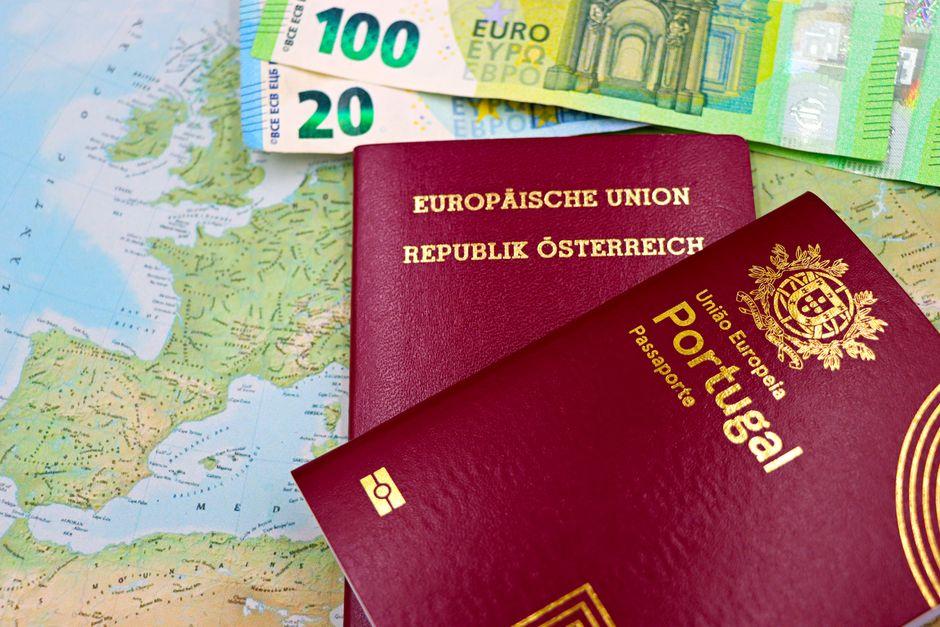
The Legal Landscape of Joint Citizenship and Its Impact on Identity
Joint citizenship, often synonymous with dual or multiple citizenship, legally recognizes an individual as a citizen under two or more national jurisdictions simultaneously. This status alters traditional concepts of identity by blending legal, social, and cultural affiliations. The legal landscape surrounding joint citizenship varies greatly between countries, affecting everything from voting rights and taxation to military obligations and access to social services. For instance, some nations allow dual citizens to hold public office or serve on juries, while others may restrict these rights to single citizenship holders. Understanding these nuances is crucial as joint citizenship can provide increased mobility and broader protections but may also impose conflicting responsibilities, such as double taxation or compulsory military service in multiple countries.
When examining joint citizenship’s impact on personal and legal identity, several key considerations emerge:
- Legal obligations: Dual citizens must navigate complex legal frameworks, balancing citizenship duties like taxes, legal compliance, and loyalty. Failure here may lead to penalties or loss of citizenship.
- Civic participation: Rights to vote or engage in political processes often differ by country, influencing how dual citizens exercise their political identity.
- Travel and consular protection: Dual citizenship can ease international travel but create dilemmas when two countries have divergent diplomatic relations or policies.
Below is a simplified comparison of common rights and restrictions associated with joint citizenship across different countries:
| Aspect | Country A | Country B |
|---|---|---|
| Allows multiple citizenships | Yes | No (requires renunciation) |
| Dual taxation treaties | Comprehensive agreements | Limited agreements |
| Mandatory military service | Depends on residency | Enforced regardless of residency |
Given these complexities, individuals considering or holding joint citizenship should seek tailored legal advice to navigate their unique circumstances effectively and preserve their rights while honoring necessary responsibilities.

Balancing Rights and Duties in Dual National Allegiance
Dual national allegiance means holding citizenship in two countries simultaneously, which brings a unique balance between rights and duties. While joint citizens enjoy expanded privileges such as the right to vote, work, and access social services in both nations, they must also navigate the accompanying responsibilities. These include obeying the laws in each country, paying taxes where applicable, and potentially fulfilling military service obligations. Failure to respect these duties can lead to complex legal issues, including penalties or even loss of citizenship. It’s essential to understand that rights in one country might be limited by duties in another, creating a landscape where dual nationals need to carefully assess their commitments.
To help clarify this balancing act, here’s a brief comparison of typical rights and duties for dual citizens in two hypothetical countries:
| Aspect | Country A | Country B |
|---|---|---|
| Voting Rights | Yes, at federal and local levels | Yes, but only in federal elections |
| Military Service | Mandatory if aged 18-25 | Voluntary only |
| Taxation | Worldwide income taxed | Taxed based on residency |
| Consular Protection Abroad | Provided by Country A embassy | Provided by Country B embassy |
For those managing dual citizenship, staying informed about each government’s legal expectations prevents unintentional breaches and ensures maximum benefit from both identities. Consulting with legal professionals experienced in international law or dual citizenship can help clarify obligations like taxation and military service, facilitating responsible citizenship without compromising personal or civic rights.
Common Misunderstandings About Holding Citizenship in Two Countries
One of the most persistent misunderstandings about holding citizenship in two countries-often called dual or joint citizenship-is that it automatically grants unrestricted rights and freedoms in both nations. While dual citizenship does provide the legal benefits of belonging to two states, such as work authorization, voting rights, and consular protection, each country’s laws and policies shape how these rights are exercised. For example, dual citizens might face differing tax obligations or mandatory military service depending on their countries’ regulations. It’s also important to recognize that certain countries do not fully acknowledge dual citizenship, which could lead to complications like loss of citizenship or restrictions on government employment. Thus, while dual citizenship opens opportunities, it also demands a clear understanding of each country’s specific rules and responsibilities.
Another common misconception is that joint citizenship means dual nationality automatically resolves all travel and residency challenges. In reality, dual citizens must navigate varied passport usage rules and entry requirements. For instance, some countries require their nationals to enter and exit using their home country passport regardless of any additional citizenships held. Additionally, legal protections and social benefits such as healthcare access or education support can differ widely between countries. Considering these nuances, experts recommend maintaining up-to-date knowledge on bilateral agreements and local laws. Below is a brief comparison illustrating typical benefits versus potential challenges faced by dual citizens:
| Aspect | Benefits | Potential Challenges |
|---|---|---|
| Voting | Right to participate in elections in both countries | Possible restrictions on voting in certain elections or obligations to vote in both |
| Taxes | Eligibility for tax credits or treaties to avoid double taxation | Complex filing requirements and liability in both countries |
| Military Service | Access to alternatives or exemptions under some laws | Mandatory service requirements in one or both countries |
| Travel | Flexibility using different passports for easier entry | Rules mandating use of specific passport for entry and exit |
Choosing Joint Citizenship When Two Nations Are an Option
When considering joint citizenship, individuals must weigh the unique advantages and potential complications of holding nationality in two countries simultaneously. Joint citizenship generally means you have full legal rights and obligations in both nations, such as voting, employment, and access to social services, while also being subject to each country’s tax policies and legal systems. For those choosing between two options, it’s crucial to examine how each country handles dual nationals. Some countries allow complete dual citizenship, while others impose restrictions on military service, political involvement, or inheritances. Understanding these nuances helps prevent unexpected legal conflicts or difficulties when traveling, working, or conducting business internationally.
Before opting for dual nationality, consider these key factors to ensure the choice enhances rather than complicates your life:
- Legal and Tax Implications: Compare how each country taxes global income and whether you need to file returns in both nations.
- Civic Responsibilities: Understand voting rights, jury duty, and compulsory military service requirements in both countries.
- Travel and Consular Protection: Dual citizenship can ease travel with two passports but may also limit consular assistance under certain conditions.
- Family and Inheritance Laws: Different nationality laws impact property ownership and inheritance rights.
| Aspect | Country A | Country B |
|---|---|---|
| Allows Dual Citizenship | Yes | Restricted |
| Taxation on Global Income | Taxed | Territorial Tax |
| Military Service Requirement | None | Mandatory |
Making an informed decision about joint citizenship requires analyzing these practical elements alongside personal factors such as cultural ties, career goals, and family considerations. Consulting with immigration attorneys or dual citizenship specialists is often recommended to navigate complex regulations and ensure your rights and responsibilities are fully understood and manageable in both countries.
How Dual Citizenship Shapes Your Travel, Taxes, and Voting Choices
Dual citizenship significantly influences your travel experiences, offering enhanced flexibility and convenience. For instance, holding passports from two countries often means you can enter both nations without visas, and may even access additional visa-free travel options elsewhere. This dual access can save time, reduce paperwork, and ease international mobility. However, there can be logistical challenges such as needing to carry and present the correct passport depending on the country you are entering or leaving. It’s important to understand each country’s entry and exit regulations to avoid complications at borders, such as mandatory use of one nationality over the other or possible restrictions on duration of stays.
On the financial and civic fronts, dual citizenship introduces complex considerations around tax obligations and voting rights. Many dual citizens are subject to tax laws from both countries, which can sometimes lead to double taxation. While most nations have treaties or foreign income exclusions designed to prevent this, navigating these rules requires careful planning and possibly professional advice to comply without overpaying. Regarding voting, dual citizenship often grants the right to participate in elections in both countries, but the extent of this right varies widely. Some countries allow voting only in national elections, others include local elections, and some may restrict voting if you primarily reside abroad. Understanding these nuances ensures you make informed, responsible decisions about your civic participation.
In Retrospect
In the complex tapestry of modern identity, joint citizenship weaves together the threads of multiple nations, creating a unique blend of rights, responsibilities, and opportunities. Understanding what it truly means to hold dual or multiple citizenships is more than a legal exercise-it’s an exploration of belonging, duty, and choice. As borders and boundaries continue to evolve in our interconnected world, grasping the nuances of joint citizenship empowers you to navigate its benefits and challenges with clarity and confidence. Whether for the sake of family, career, or personal freedom, this layered identity invites you to redefine what it means to be a citizen-not just of a country, but of the global community.




